Nepal Trip FAQ: Your Top Questions Answered
Planning a trip to Nepal is one of the most exciting travel decisions you can make. Nepal is not just a destination—it is an experience that stays with you long after you return home. From the moment you land in Kathmandu and see the prayer flags fluttering in the wind, you’ll feel the unique atmosphere of this Himalayan country. Nepal is famous for Mount Everest, trekking trails, ancient temples, and spiritual culture, but what surprises most travelers is how much variety the country offers. In a single trip, you can explore centuries-old heritage cities, enjoy peaceful lakeside days in Pokhara, trek to snow-covered mountains, or go on a jungle safari to see rhinos and crocodiles.
At Approved Holidays, we have been organizing tours, treks, and travel experiences across Nepal for travelers from around the world. Over time, we have noticed that most visitors ask similar questions before booking. People want to know the best time to visit, how safe Nepal is, whether they need permits, how much a trip costs, and what they should pack. Many travelers also worry about altitude sickness, internet access, food, transportation, and visa procedures.
To make your planning easier, we created this detailed Nepal Trip FAQ blog. This guide answers the most common questions in a simple and human way—so you can plan your Nepal trip with confidence and clarity.
Where is Nepal located?
Nepal is a landlocked country in South Asia, located between two giants: India to the south, east, and west, and China (Tibet) to the north. Even though Nepal is small in size, it is incredibly diverse in geography. The southern part of Nepal has warm plains and jungles, while the northern part rises dramatically into the Himalayas. This is why Nepal is often described as a country where you can travel from tropical heat to snowy mountains within a single day.
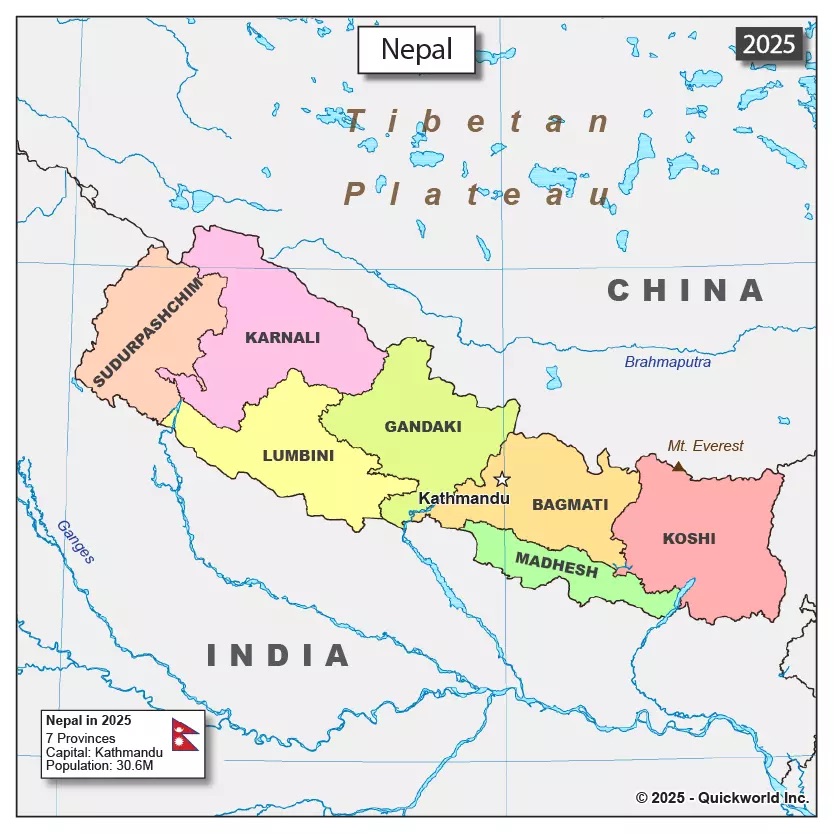
For travelers, Nepal’s location makes it a fascinating cultural crossroads. You will see influences from Hindu traditions, Tibetan Buddhism, and a mix of ethnic communities that have lived in the hills and mountains for centuries. Nepal is not just about the mountains—it is also about people, heritage, and a lifestyle that feels refreshingly authentic.
Why should I visit Nepal?
Nepal is one of the most rewarding travel destinations in the world because it offers experiences you simply cannot find in many other countries. Most people first hear about Nepal because of trekking and Mount Everest, but Nepal has much more than that. It is a place where culture is alive in everyday life. Temples are not just monuments; they are active spiritual centers. Festivals are not just tourist events; they are celebrated passionately by local communities. Nepal offers a wide variety of Nepal Tours, incliding heritage, cultural, spiritual, sunrise, sunset, and jungle safari experiences, covering cities, temples, rivers, mountains, and jungles.
Nepal is also ideal for travelers who love nature. The landscapes change constantly as you travel—from green rice terraces and forested hills to glacier valleys and high passes. For adventure lovers, Nepal offers Trekking, Adventure Activities in Nepal like rafting, paragliding, mountain biking, bungee jumping, and jungle safaris. For spiritual travelers, Nepal offers peaceful monasteries, meditation retreats, and sacred sites like Lumbini, the birthplace of Lord Buddha.
Most importantly, Nepal is known for its warm hospitality. The friendliness of local people is one of the reasons travelers return again and again.
What is the best time to visit Nepal?
One of the most common questions we receive at Approved Holidays is about the best season to visit Nepal. The truth is that Nepal can be visited throughout the year, but the best time depends on what you want to do. Nepal has four main seasons: spring, summer (monsoon), autumn, and winter.
Autumn, which runs from September to November, is widely considered the best season for trekking and mountain views. The skies are clear, the air is crisp, and the Himalayan peaks look stunning. This is also the most popular season, so trekking routes and hotels can be busy.
Spring, from March to May, is another excellent season. The weather is warmer, and the hills come alive with rhododendron blooms. Many trekkers love spring because it combines good visibility with colorful landscapes. This is also a great season for photography.
Winter, from December to February, is colder, especially in the mountains. However, winter is still a great time for city tours, cultural travel, and low-altitude treks. If you want fewer crowds and don’t mind chilly mornings, winter can be a wonderful time to visit.
Summer, from June to August, is the monsoon season in Nepal. Rain is common, especially in the hills and trekking areas. However, monsoon travel is still possible, and it has its own beauty. The landscapes become lush and green, and popular tourist places are less crowded. Some regions like Upper Mustang and Dolpo lie in the rain shadow and are perfect for trekking during monsoon.
How many days do I need for a Nepal trip?
Nepal can be enjoyed in a short trip, but the ideal number of days depends on your travel goals. If you are visiting Nepal for the first time, we usually recommend at least 7 to 10 days. This gives you enough time to explore Kathmandu, visit Pokhara, and include one more destination like Chitwan or a short trek.
If you want a deeper experience, 12 to 14 days is even better. With two weeks, you can combine cultural sightseeing, mountain views, and a trekking experience such as the Annapurna Base Camp trek or the Langtang Valley trek.
For longer treks like Everest Base Camp, Manaslu Circuit, or Annapurna Circuit, you will need around 15 to 20 days depending on the route and itinerary. Many travelers also like to keep a few extra buffer days for weather delays, especially if they are flying to Lukla for Everest treks.
At Approved Holidays, we also customize itineraries for travelers with limited time. Even if you have only 5 or 6 days, we can create a beautiful Nepal experience with highlights.
Do I need a visa for Nepal?
Yes, most international travelers need a tourist visa to enter Nepal. The good news is that Nepal has one of the easiest visa systems in Asia. Many nationalities can obtain a visa on arrival at Tribhuvan International Airport in Kathmandu or at major land border points with India.
The visa process is usually smooth, but it is always wise to check the latest visa rules before you travel, especially if your nationality has special requirements. At Approved Holidays, we help our clients understand the visa process clearly so there are no surprises on arrival.
Can I get a Nepal visa on arrival?
Yes, visa on arrival is available for many travelers. When you arrive at Kathmandu airport, you will find a visa application kiosk where you fill in your details, submit a photo, and pay the visa fee. The visa fee is usually paid in cash, and it is recommended to carry US dollars for convenience.
If you want to save time, Nepal also allows travelers to fill out the visa application online before arrival. This helps reduce waiting time at the airport. However, even if you do not complete it online, you can still do it upon arrival.
What documents do I need for the Nepal visa?
In most cases, you need a passport valid for at least six months, a passport-size photo, and the visa fee. The visa fee depends on how many days you plan to stay. Many travelers choose 15 days, 30 days, or 90 days visa options.
It is also a good idea to have your hotel booking details and travel plan ready, although immigration officers do not always ask for them. Keeping your documents organized makes the process easier.
Is Nepal safe for tourists?
Yes, Nepal is generally considered a safe country for tourists. Most travelers feel comfortable exploring Nepal, and serious crime against tourists is rare. Nepal is known for its peaceful culture, and visitors often comment on how friendly and helpful local people are.
However, like any destination, Nepal has travel challenges. The biggest risks for travelers are usually related to nature and geography rather than crime. Altitude sickness, weather changes, and road travel in hilly areas are common concerns. In busy markets or tourist areas, there is also a small risk of pickpocketing, so it is wise to keep your valuables safe.
Traveling with a trusted local company like Approved Holidays adds extra security, especially for trekking routes and remote areas.
Is Nepal safe for solo travelers?
Nepal is one of the most popular destinations in Asia for solo travelers. Many people come alone for trekking and end up meeting friends along the trail. Trekking routes such as Annapurna Base Camp, Everest Base Camp, and Langtang are social, and you will often find travelers from different countries sharing meals and stories in teahouses.
Solo travel in Nepal is also convenient because there are many tour and trekking options where you can join a group. If you prefer independent travel, it is still possible, but we recommend arranging a guide for trekking for safety and comfort.
Is Nepal safe for female travelers?
Yes, Nepal is generally safe for female travelers, and many women travel alone or in groups across Nepal every year. In cities like Kathmandu and Pokhara, female travelers usually feel comfortable walking around tourist areas. In rural villages, people may be curious, but most interactions are respectful.
To travel confidently, it is recommended to dress modestly, especially when visiting temples and rural areas. It is also best to avoid walking alone late at night in quiet streets, just as you would in any other country. Booking guided tours or treks is a great option for female travelers who want extra comfort and support.
Do I need travel insurance for Nepal?
Yes, travel insurance is strongly recommended for Nepal, especially if you plan to trek. Even for a normal tour, insurance is helpful in case of medical emergencies, flight delays, or lost luggage.
If you are trekking, your insurance should cover high-altitude trekking and helicopter rescue. Many standard travel insurance policies do not automatically include this, so it is important to read the policy carefully. At Approved Holidays, we always advise our clients to choose proper trekking insurance for peace of mind.
What currency is used in Nepal?
Nepal uses the Nepalese Rupee (NPR). You can exchange money easily in Kathmandu and Pokhara, where there are many money exchange counters. US dollars, euros, and British pounds are commonly accepted for exchange.
It is always helpful to carry smaller notes for daily expenses, especially if you are traveling to smaller towns or trekking routes.
Can I use ATMs in Nepal?
ATMs are widely available in Kathmandu, Pokhara, and major towns. You can withdraw Nepalese rupees using international cards. However, ATM withdrawal limits are often low, and machines sometimes run out of cash, especially during busy seasons.
If you are trekking, ATMs are usually not available in remote areas, so you must withdraw enough money before leaving the city. We always recommend carrying extra cash for safety.
Can I use credit cards in Nepal?
Credit cards are accepted in many hotels, restaurants, and larger shops in Kathmandu and Pokhara. However, in rural areas and trekking regions, credit card facilities are rare. Even when credit cards are accepted, there may be an additional service charge.
For most travelers, the best approach is to carry a combination of cash and a card, and use the card mainly in cities.
How much does a Nepal trip cost?
Nepal is considered one of the best-value destinations in the world. The cost of a trip depends on your travel style. Budget travelers can explore Nepal comfortably, while luxury travelers can enjoy high-end hotels and private services.
For a general idea, budget travelers may spend around $25 to $50 per day, mid-range travelers around $60 to $120 per day, and luxury travelers anywhere from $150 to $400 per day or more. Trekking costs depend on the route, permits, guide services, and accommodation type.
At Approved Holidays, we offer both budget-friendly and premium packages, and we can customize your trip based on your comfort level.
Is trekking in Nepal expensive?
Trekking in Nepal can be affordable or expensive depending on the trek. Short treks like Ghorepani Poon Hill, Mardi Himal, Chisapani Nagarkot are budget-friendly and suitable for beginners. Moderate treks like Annapurna Base Camp and Langtang Valley require more days and slightly higher costs.
Everest Base Camp Manaslu circuit, Upper Mustang trekking are generally more expensive due to the flight to Lukla and higher lodge prices. Restricted area treks like Manaslu, Upper Mustang, and Nar Phu also cost more because they require special permits and mandatory guides.
What are the best places to visit in Nepal?
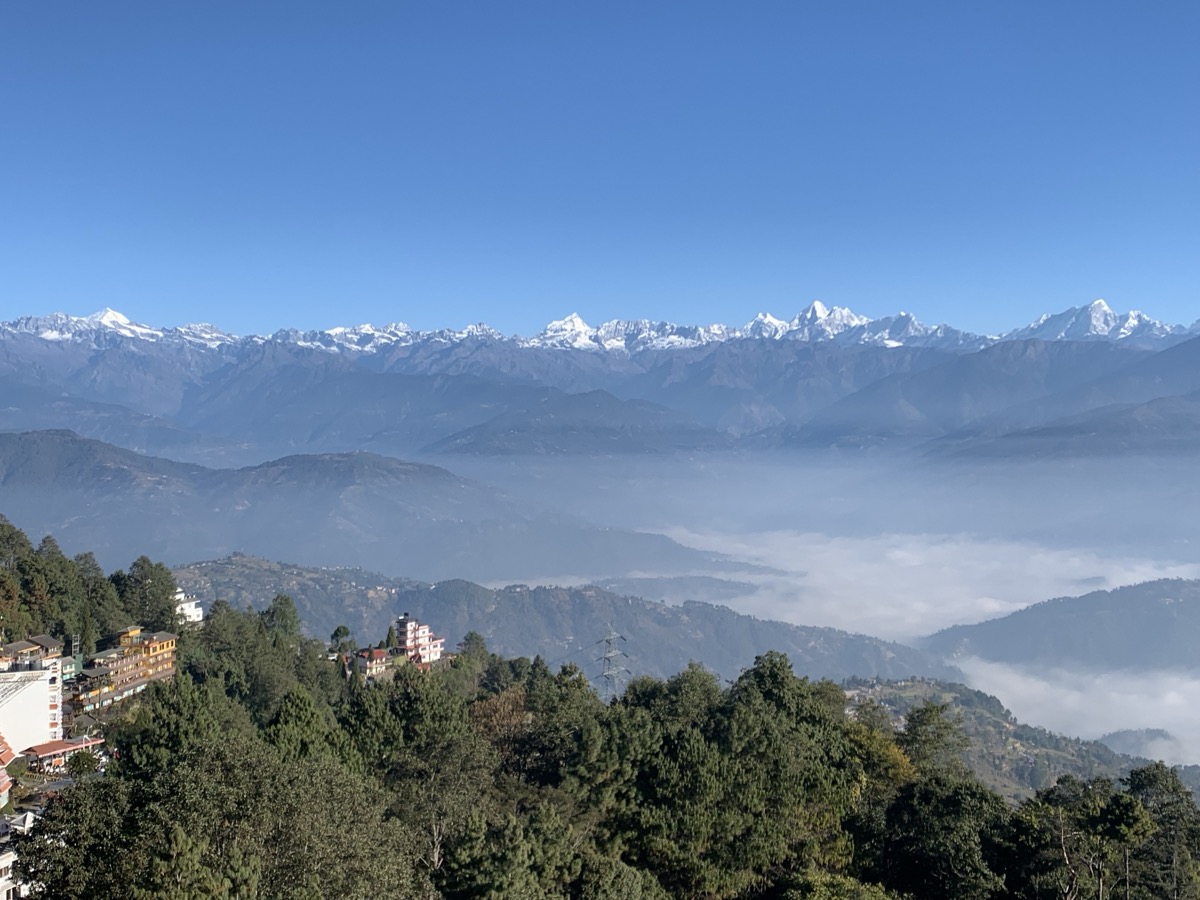
For first-time travelers, the most popular places are Kathmandu, Nagarkot, Pokhara, Chitwan, and Lumbini. Kathmandu is the cultural heart of Nepal, filled with UNESCO heritage sites, temples, and traditional squares. Pokhara is Nepal’s most relaxing destination, famous for Phewa Lake, mountain views, and adventure sports like paragliding.
Chitwan is the best place for wildlife and jungle experiences, where you can go on safari to see rhinos, deer, crocodiles, and sometimes even Bengal tigers. Lumbini is a peaceful spiritual destination, ideal for travelers who want calm and reflection.
There are also many beautiful hill towns like Bandipur and Nagarkot that offer quiet nature and sunrise views.
What are the best trekking routes in Nepal?
Nepal has trekking routes for every level. If you are a beginner or want a short trek, routes like Poon Hill, Dhampus, and Australian Camp are excellent. If you want a moderate trek with stunning scenery, Annapurna Base Camp, Mardi Himal, and Langtang Valley are top choices.
For experienced trekkers, Everest Base Camp, Annapurna Circuit, and Manaslu Circuit offer deeper mountain adventures. For those seeking remote wilderness, Upper Dolpo and Kanchenjunga are unforgettable but require strong fitness and more logistics.
At Approved Holidays, we help you choose the right trek based on your fitness, time, and interest.
Do I need permits for trekking in Nepal?
Yes, most trekking routes require permits. The permits depend on the region. For example, Annapurna region treks require the Annapurna Conservation Area Permit, while Langtang requires a national park permit.
Restricted area treks like Manaslu, Upper Mustang, and Nar Phu require special restricted permits. These permits are more expensive and require trekking with a licensed guide.
The good news is that you don’t need to worry about paperwork when you travel with Approved Holidays. We arrange all required permits for you before your trek begins.
Do I need a guide for trekking in Nepal?
Many travelers ask if they can trek independently. While independent trekking is possible in some regions, hiring a guide is highly recommended for safety and comfort. A guide helps you navigate, manage altitude, book lodges, communicate with locals, and handle emergencies.
For restricted areas, hiring a guide is mandatory by law. Even for non-restricted areas, trekking with a guide makes your journey smoother and more enjoyable. At Approved Holidays, our guides are professional, experienced, and trained in altitude safety.
What is altitude sickness and how can I prevent it?
Altitude sickness is one of the most important topics for travelers who plan to trek in Nepal. It occurs when your body cannot adjust properly to high altitude due to lack of oxygen. Altitude sickness can affect anyone, even very fit travelers.
The most common symptoms include headache, nausea, dizziness, fatigue, and difficulty sleeping. The best way to prevent altitude sickness is to trek slowly, take acclimatization days, drink plenty of water, and avoid alcohol at higher elevations. It is also important to listen to your guide and not push yourself too hard.
At Approved Holidays, we design itineraries with proper acclimatization and ensure our guides monitor clients carefully throughout the trek.
What kind of food can I eat in Nepal?
Nepal offers delicious food for all types of travelers. The most famous meal is Dal Bhat, which includes rice, lentil soup, vegetables, and pickles. This meal is popular with trekkers because it is filling, nutritious, and often comes with free refills.
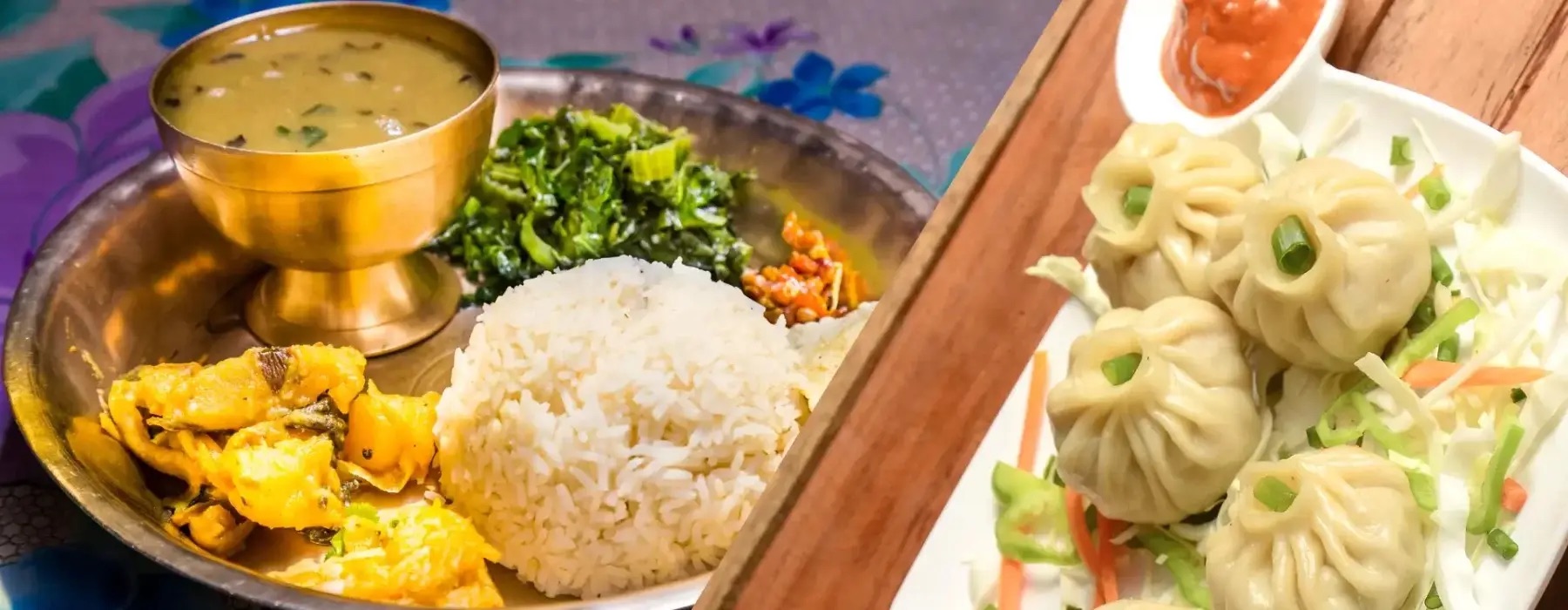
Momo, a type of dumpling, is another favorite among visitors. You can also enjoy noodle soups like thukpa, Thakali set meals, and Newari cuisine in Kathmandu.
In tourist areas, you will find many international options including pizza, pasta, burgers, and even sushi. Vegetarian food is widely available, and many trekking lodges offer vegetarian meals as well.
Is tap water safe in Nepal?
Tap water in Nepal is not considered safe for drinking. It is best to drink bottled water, boiled water, or filtered water. Many travelers use refillable bottles with purification filters to reduce plastic waste.
On trekking routes, boiled water is commonly available at lodges. It is safer than untreated water and helps reduce environmental impact.
What should I pack for Nepal?
Packing for Nepal depends on your season and activities. If you are coming for a cultural tour, you can pack comfortable clothes for walking and temple visits. If you are trekking, you will need proper warm layers, trekking boots, and equipment.

In general, it is important to pack comfortable walking shoes, a warm jacket, sunscreen, sunglasses, and a reusable water bottle. For trekking, items like a down jacket, sleeping bag, trekking poles, gloves, and a headlamp are very useful.
At Approved Holidays, we provide a full packing list for every trek and tour, so you don’t forget anything important.
How is transportation in Nepal?
Transportation in Nepal varies depending on where you travel. In cities, you can use taxis and private vehicles. For travel between Kathmandu and Pokhara, there are tourist buses and private car options. Domestic flights are also available, especially for time-saving.
Road travel in Nepal can be slow because of mountain roads, so it is wise to plan with realistic travel times. For comfort, many travelers prefer private vehicles arranged by Approved Holidays, especially families and groups.
Can I buy a SIM card in Nepal?
Yes, buying a SIM card in Nepal is easy. The most common networks are Ncell and Nepal Telecom. SIM cards can be purchased in Kathmandu and Pokhara with your passport and a photo.
Internet coverage is good in cities, but in remote trekking areas, the connection may be slow or limited. Some trekking routes offer Wi-Fi in lodges for a small fee.
What are the biggest festivals in Nepal?
Nepal is famous for festivals, and visiting during a festival season is a wonderful cultural experience. Dashain and Tihar are the biggest Hindu festivals, celebrated with family gatherings, rituals, and lights. Holi is celebrated with colorful powder and joyful street celebrations.
Buddhist festivals like Buddha Jayanti are also important, especially in places like Lumbini and Boudhanath. Maha Shivaratri is another major festival, celebrated at Pashupatinath Temple in Kathmandu.
Festivals bring Nepal to life and give travelers a deeper cultural experience.
What are common travel mistakes in Nepal?
Many travelers make small mistakes that can affect their trip. One of the most common mistakes is trekking too fast and not giving the body time to acclimatize. Another mistake is not keeping buffer days for weather delays, especially for Everest treks.
Some travelers underestimate the cold in the mountains and do not pack enough warm layers. Others forget to buy proper travel insurance that covers trekking and rescue. Drinking untreated water is also a common mistake that can cause stomach problems.
With good planning and local support, these mistakes are easy to avoid.
What is the best Nepal itinerary for first-time visitors?
A classic first-time Nepal itinerary includes Kathmandu, Pokhara, and Chitwan. Kathmandu gives you cultural heritage and history. Pokhara gives you relaxing lakeside time and Himalayan views. Chitwan gives you wildlife and jungle experiences.
If you have more time, you can add a short trek like Poon Hill or Australian Camp. This allows you to experience Nepal’s mountain trails without a long trek commitment.
At Approved Holidays, we customize itineraries based on your available time, travel style, and interests.
Can I see Everest without trekking?
Yes, you can see Everest without trekking. Many travelers choose an Everest mountain flight, which offers stunning views of Everest and other Himalayan peaks. Helicopter tours are also available for those who want a luxury experience and the chance to land near Everest for a short time.
However, trekking to Everest Base Camp remains the most immersive and unforgettable way to experience the region. It allows you to walk through Sherpa villages, visit monasteries, and feel the true atmosphere of the Himalayas.
Final travel tips for Nepal
Before you visit Nepal, it is helpful to remember that Nepal is a country of adventure and natural beauty, but it also requires flexibility. Weather can change quickly, especially in the mountains. Road travel can take longer than expected. Some places may have limited facilities compared to modern cities.
However, these are part of Nepal’s charm. If you come with an open mind, you will enjoy the authentic experience. Respect local culture, dress modestly at religious sites, and always greet people with a friendly smile. In Nepal, even small gestures of respect create meaningful connections.
Traveling with a trusted company like Approved Holidays ensures that your trip is smooth, safe, and memorable. We take care of logistics so you can focus on enjoying Nepal.