Introduction: The Beautiful Paradox
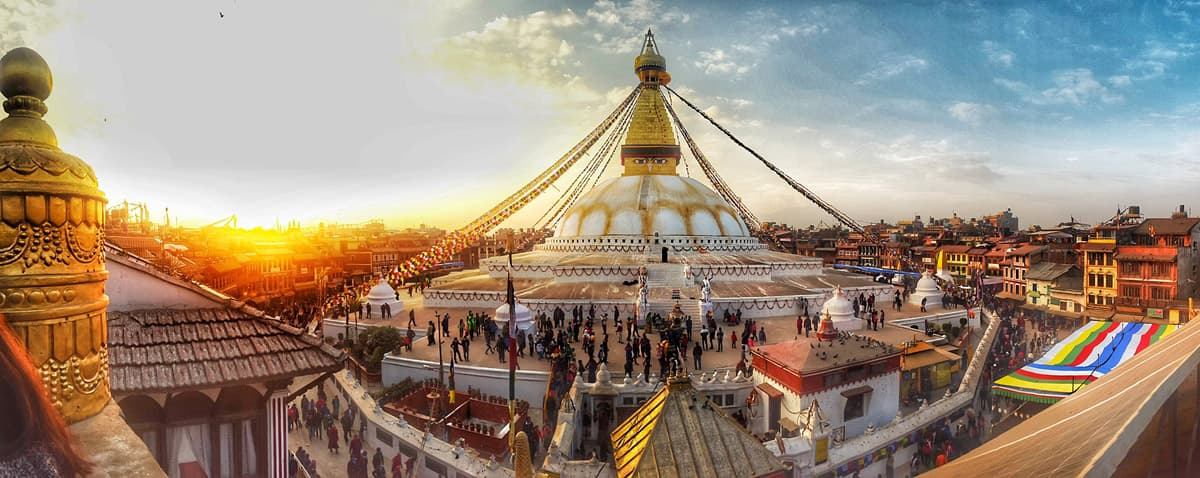
Kathmandu does not politely ask for your attention; it demands it.
From the moment you step out of Tribhuvan International Airport, the city assaults your senses in the most vibrant way possible. It is a cacophony of honking motorbikes, the scent of burning juniper and marigolds battling with diesel fumes, the sight of ancient brick temples leaning precariously against modern concrete structures, and the taste of dust and spices in the air.
For the uninitiated, Kathmandu can be overwhelming. It is chaotic, noisy, and frantic. But for those willing to look past the initial layer of grit, it is one of the most rewarding cities on Earth.
This is a city where history isn't kept behind glass in a museum; it is lived on the streets. You will see grandmothers lighting butter lamps at shrines that predate the Roman Empire. You will see traffic jams caused by sacred cows refusing to move. You will see digital nomads working on laptops in cafes built into restored medieval palaces.
Kathmandu is a paradox. It is the gateway to the Himalayas, yet it is a destination in its own right. It is deeply religious, yet incredibly tolerant. It is a city of gods and a city of mortals, living side by side in a complex, dusty harmony.
We aren’t just giving you a list of places to go; we are giving you the context, the secrets, and the local wisdom to understand what you are seeing. Whether you are a trekker passing through or a culture-vulture here for the long haul, this is everything you need to know about the City of Glory.
A Valley Born of a Sword (History & Myth)
To truly understand the Kathmandu Valley, you have to look at it through two lenses: the geological and the mythological.
The Legend of Manjushree
Ask a geologist, and they will tell you that the Kathmandu Valley was once a massive paleo-lake, blocked by the hills at Chobhar. Over millennia, the water drained, leaving behind the fertile soil that allowed civilization to flourish.
Ask a local, and they will tell you a better story.
They will tell you of Manjushree, a Bodhisattva (an enlightened being), who flew from Tibet and saw a radiant lotus flower floating in the center of the turquoise lake. To reach the lotus, he raised his flaming sword of wisdom and sliced a gorge through the hills at Chobhar. The water roared out, the valley dried up, and the lotus settled on a hill to become the Swayambhunath Stupa.
The Era of the Three Kings
While the valley has been inhabited for thousands of years, the architecture you see today—the tiered pagoda temples, the intricate wood carvings, and the red brick palaces—largely comes from the Malla Period (1200–1769 AD).
This was the Golden Age of Kathmandu. But it was born of rivalry. The valley was split into three independent city-states: Kathmandu, Patan (Lalitpur), and Bhaktapur.
The kings of these three cities were constantly competing. But instead of waging war with weapons, they waged war with art. If the King of Bhaktapur built a temple 30 feet high, the King of Patan would build one 40 feet high. If Kathmandu carved a window with three peacocks, Bhaktapur would carve one with five.
This artistic "arms race" resulted in the highest concentration of World Heritage Sites found anywhere on the planet. When you walk through the Durbar Squares today, you are walking through the remnants of this royal competition.
The Modern Era
In 1769, Prithvi Narayan Shah, the King of Gorkha, conquered the valley and unified Nepal. The capital moved to Kathmandu, and the Shah dynasty ruled until 2008, when the monarchy was abolished, and Nepal became a Federal Democratic Republic.
Today, the city is rapidly modernizing. The 2015 earthquake left scars—you will still see scaffolding on some temples—but the resilience of the Newar people (the indigenous inhabitants of the valley) has ensured that the heritage remains alive.
The Magnificent Seven (UNESCO World Heritage Sites)
Kathmandu isn't just a city; it is a living museum. The valley hosts seven UNESCO World Heritage Monument Zones. Seeing them all requires at least three full days. Here is your deep-dive guide to each.
1. Swayambhunath (The Monkey Temple)
-
The Vibe: Ancient, panoramic, and playful.
-
Best Time to Visit: Sunrise (6:00 AM – 7:00 AM).
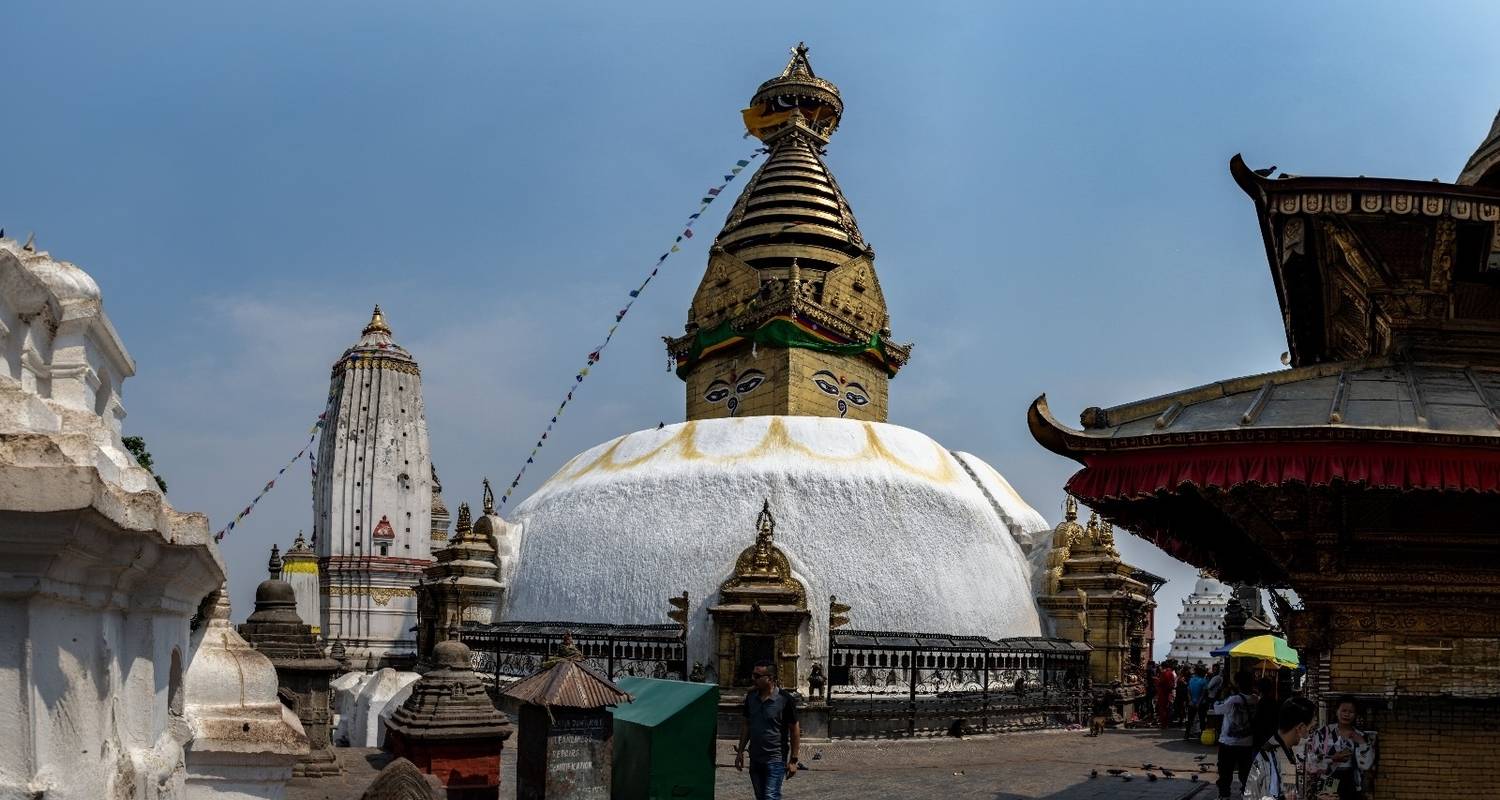
Perched on a hilltop to the west of the city, Swayambhunath is the oldest stupa of its kind in Nepal. To get there, you must climb 365 steep stone steps. As you ascend, you will be joined by the resident Rhesus Macaques. Warning: They are cute, but they are essentially gangsters. Hide your food, hold your phone tight, and do not make eye contact.
At the top, the white dome represents the earth, and the 13 tiers of the spire represent the stages to nirvana. The eyes of the Buddha are painted on all four sides, looking out over the valley.
The Insider Experience: Don't just look at the main stupa. Circle around to the back to see the Harati Temple, dedicated to the Goddess of Smallpox. It is a rare example of a deity worshipped by both Hindus (as a protector of children) and Buddhists.
2. Boudhanath Stupa
-
The Vibe: Serene, Tibetan, and hypnotic.
-
Best Time to Visit: Late afternoon (4:00 PM onwards) for the Kora.
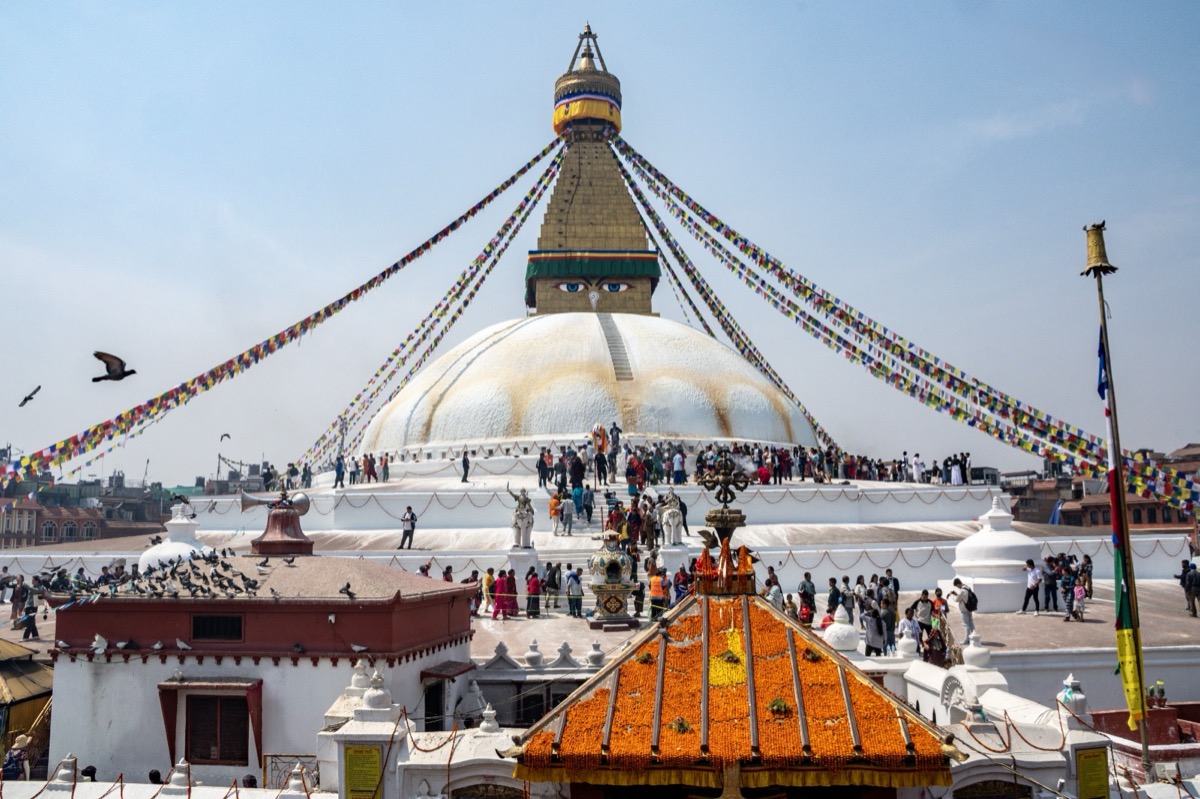
If Swayambhunath is wild, Boudhanath is majestic. Located on the ancient trade route to Tibet, this is one of the largest spherical stupas in the world. Since the Chinese invasion of Tibet in 1959, thousands of Tibetan refugees have settled around Boudhanath, creating a "Little Tibet."
The atmosphere here is electric but peaceful. The air smells of butter lamps and juniper incense.
The Insider Experience: Join the Kora. This is the act of circumambulating (walking around) the stupa. You must walk clockwise. Spin the prayer wheels, chant Om Mani Padme Hum with the monks, and let the rhythm of the crowd carry you. Afterwards, find a rooftop café overlooking the stupa and watch the sunset while sipping salt-butter tea.
3. Pashupatinath Temple
-
The Vibe: Raw, intense, and deeply spiritual.
-
Best Time to Visit: Evening for the Aarti ceremony (6:00 PM).
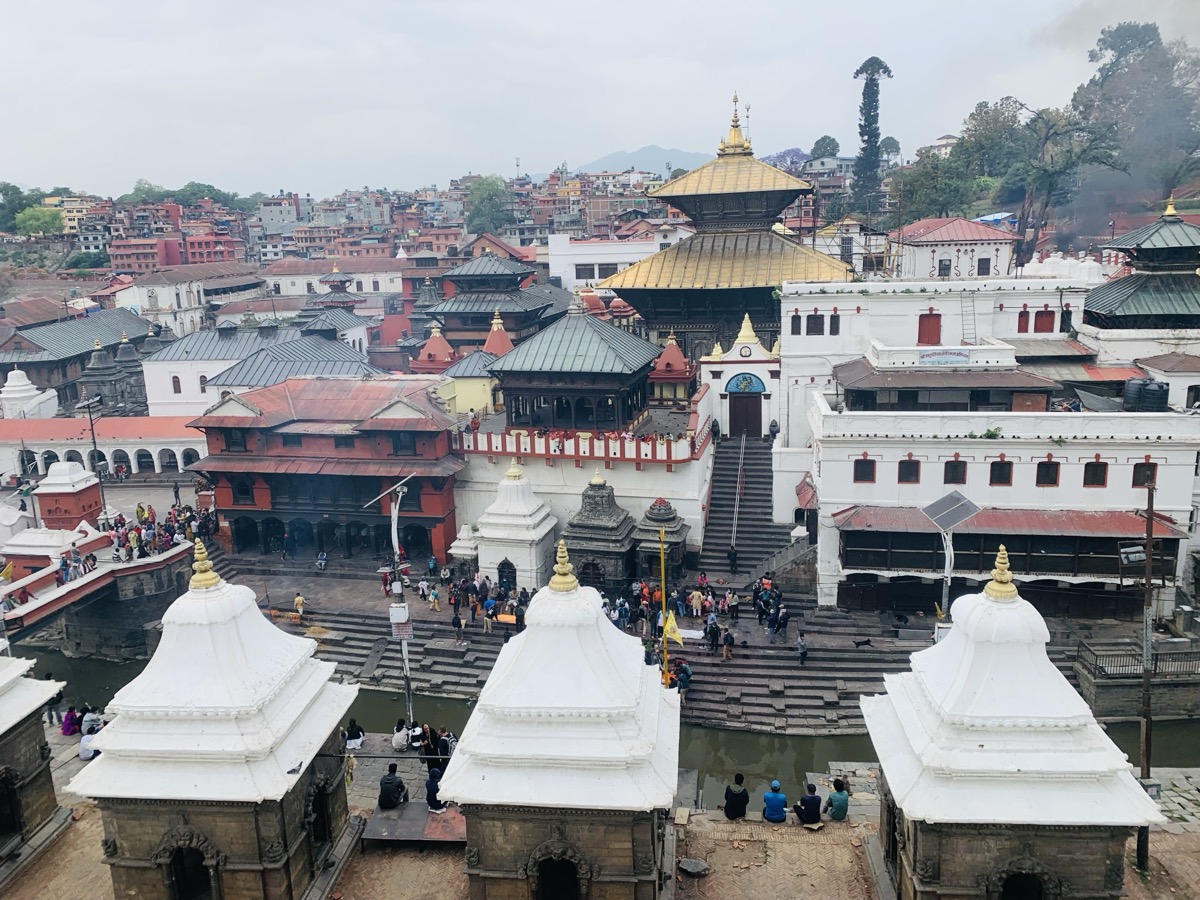
This is the most confronting site in Kathmandu. Dedicated to Lord Shiva, Pashupatinath is the holiest Hindu site in Nepal. While non-Hindus are strictly forbidden from entering the main temple, the sprawling complex along the Bagmati River is open to all.
Here, life and death exist side by side. On the stone ghats (steps) leading down to the river, open-air cremations take place 24 hours a day. Bodies are wrapped in orange cloth, placed on wooden pyres, and set alight by the eldest son.
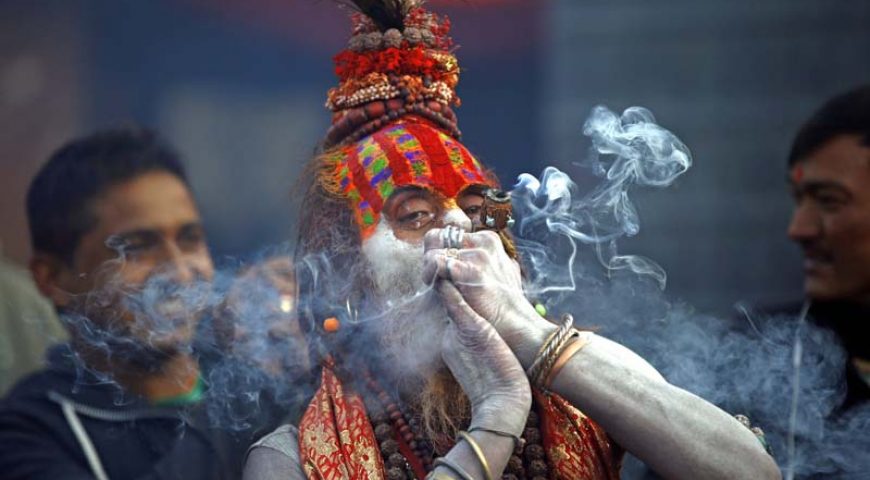
The Insider Experience: It is easy to feel like a voyeur here. To visit respectfully, keep a distance from the grieving families. Cross the bridge to the eastern bank to watch the Aarti ceremony every evening—a mesmerizing ritual of fire, music, and chanting dedicated to the holy river. You will also see the Sadhus (wandering holy men) covered in ash. If you take their photo, it is customary to give a small donation (20-50 Rupees).
4. Kathmandu Durbar Square (Basantapur)
-
The Vibe: Royal, chaotic, and historic.
-
Key Highlight: The Kumari Ghar.
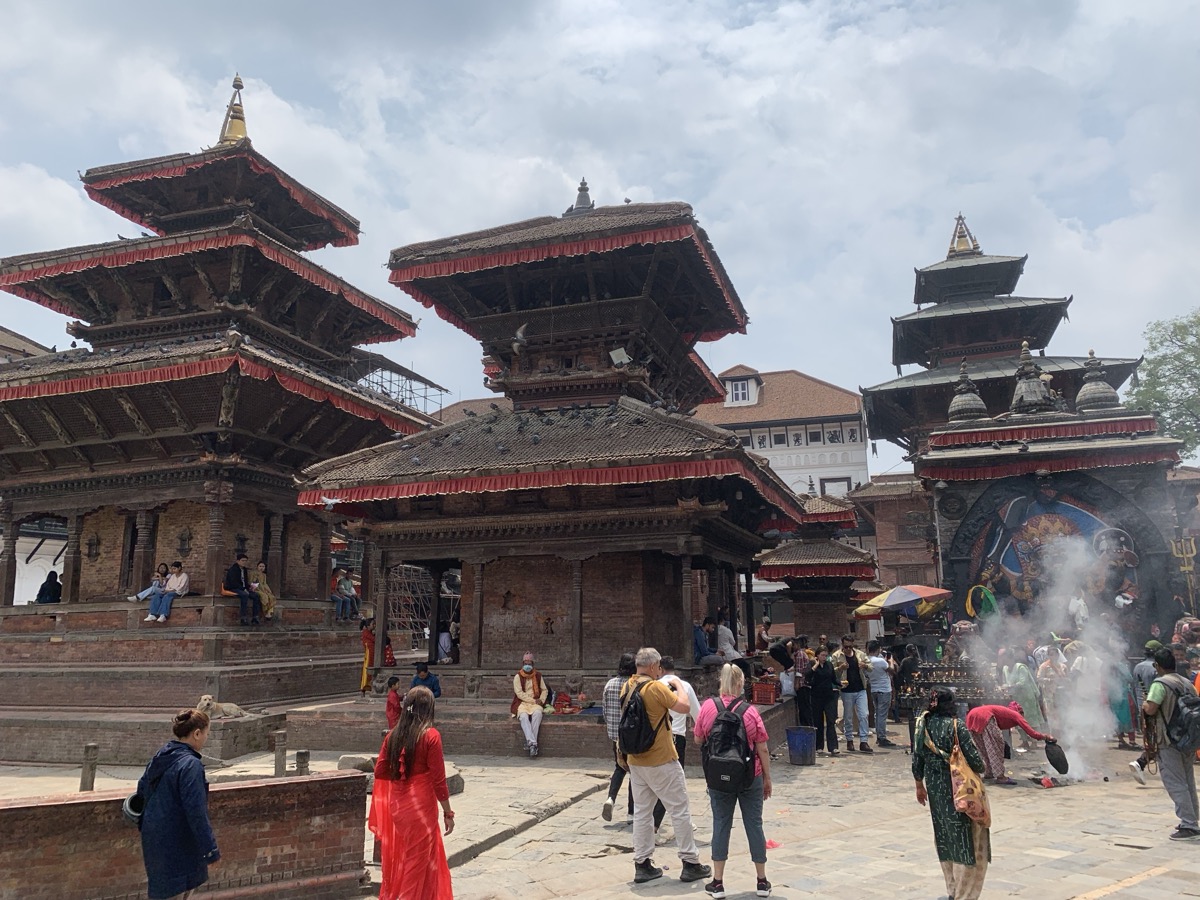
This was the seat of the Malla and Shah kings. It is a complex of palaces, courtyards, and temples. This area was hit hard by the 2015 earthquake, and you will see ongoing restoration work, but the majesty remains.
The crown jewel here is the Kumari Ghar, an intricately carved wooden house home to the Living Goddess (Kumari). The Kumari is a young prepubescent girl selected from the Newar community who is believed to be the incarnation of the Goddess Taleju. She lives in the palace until she menstruates, at which point she returns to being a mortal and a new Kumari is chosen.
The Insider Experience: Go to the courtyard of the Kumari Ghar around 4:00 PM. If you are lucky (and quiet), the Kumari may appear at the golden window to gaze at the crowd. Strict Rule: You cannot take photos of her. The guards will aggressively enforce this.
5. Patan Durbar Square (Lalitpur)
-
The Vibe: Artistic, refined, and walkable.
-
Key Highlight: The Patan Museum.
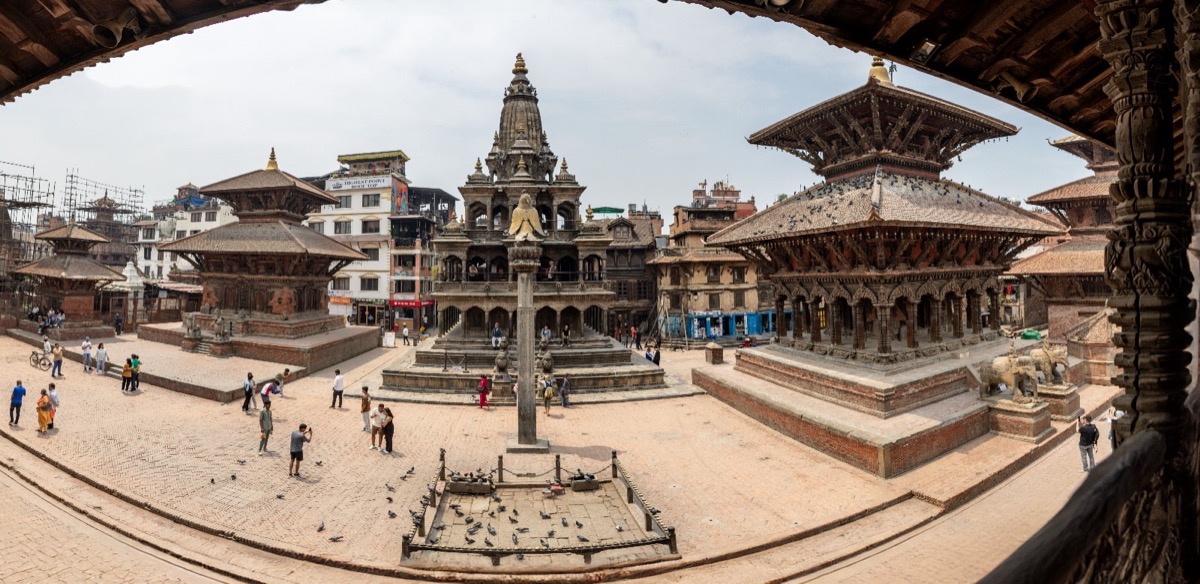
Patan is separated from Kathmandu by the Bagmati River, but the vibe is completely different. Known as the "City of Fine Arts," Patan is famous for its metal workers and stone carvers.
The Patan Durbar Square here is more compact and visually stunning than Kathmandu's. The floor is paved with red bricks, and the temples are masterpiece examples of the Shikhara (stone peak) style.
The Insider Experience: You must visit the Patan Museum. Housed in the restored residential wing of the old Malla palace, it is widely considered the best museum in South Asia. The curation, lighting, and architecture are world-class, explaining the complex iconography of Hinduism and Buddhism in a way that makes sense to Westerners.
6. Bhaktapur Durbar Square
-
The Vibe: Medieval, traffic-free, and timeless.
-
Key Highlight: Pottery Square and Nyatapola Temple.
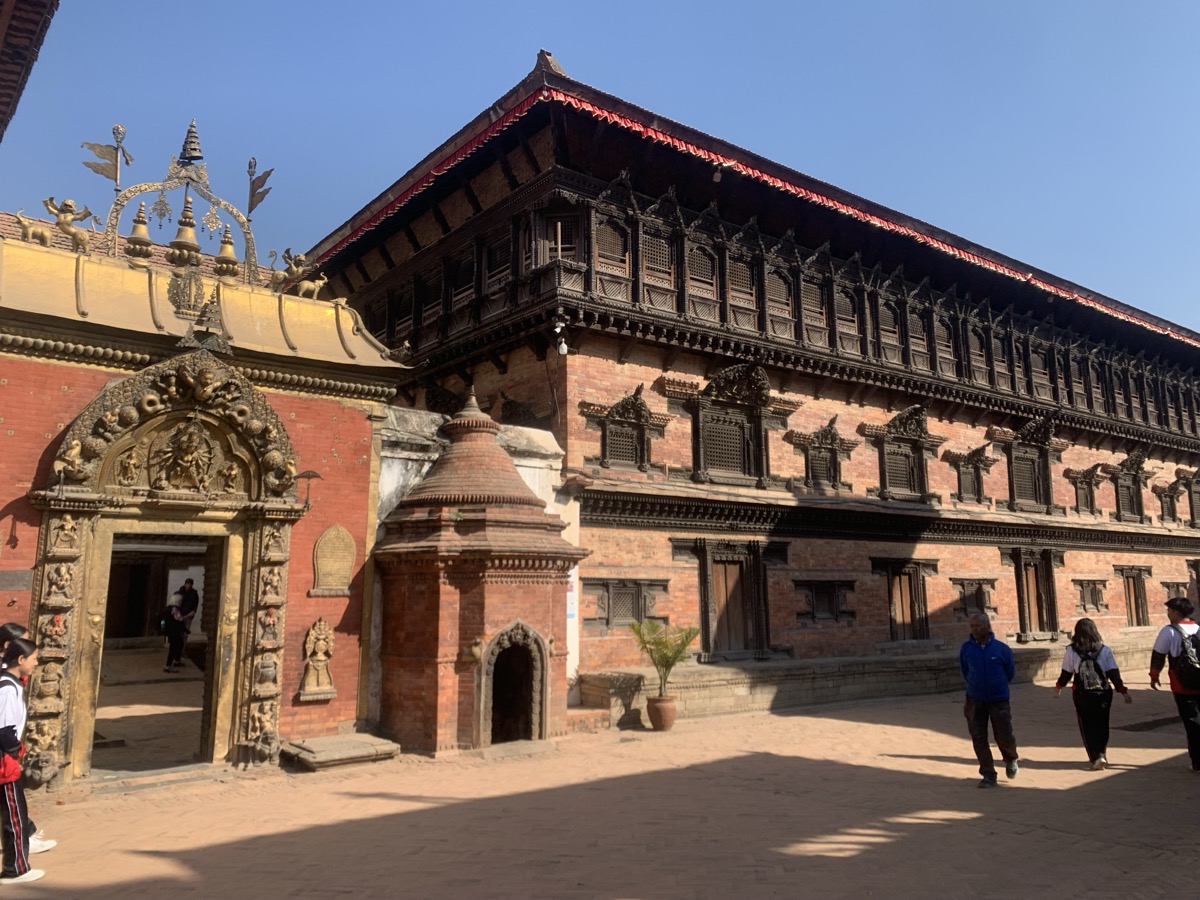
Bhaktapur lies about 13km east of Kathmandu. It is the most preserved of the three cities. Crucially, the historic core is vehicle-free. No honking taxis, no exhaust fumes—just cobblestones and silence.
Bhaktapur feels like a movie set. The Nyatapola Temple is the tallest pagoda in Nepal (five stories), having survived the 1934 and 2015 earthquakes relatively unscathed due to its incredible engineering.
The Insider Experience: Visit Pottery Square. You will see hundreds of clay pots drying in the sun and men spinning heavy stone wheels by hand. Also, you cannot leave Bhaktapur without trying Juju Dhau (King Curd). It is a sweet, creamy yogurt made from buffalo milk, sold in clay pots. It is famous across Nepal for a reason.
7. Changu Narayan
-
The Vibe: Quiet, rural, and ancient.
-
Key Highlight: The oldest inscriptions in the valley.
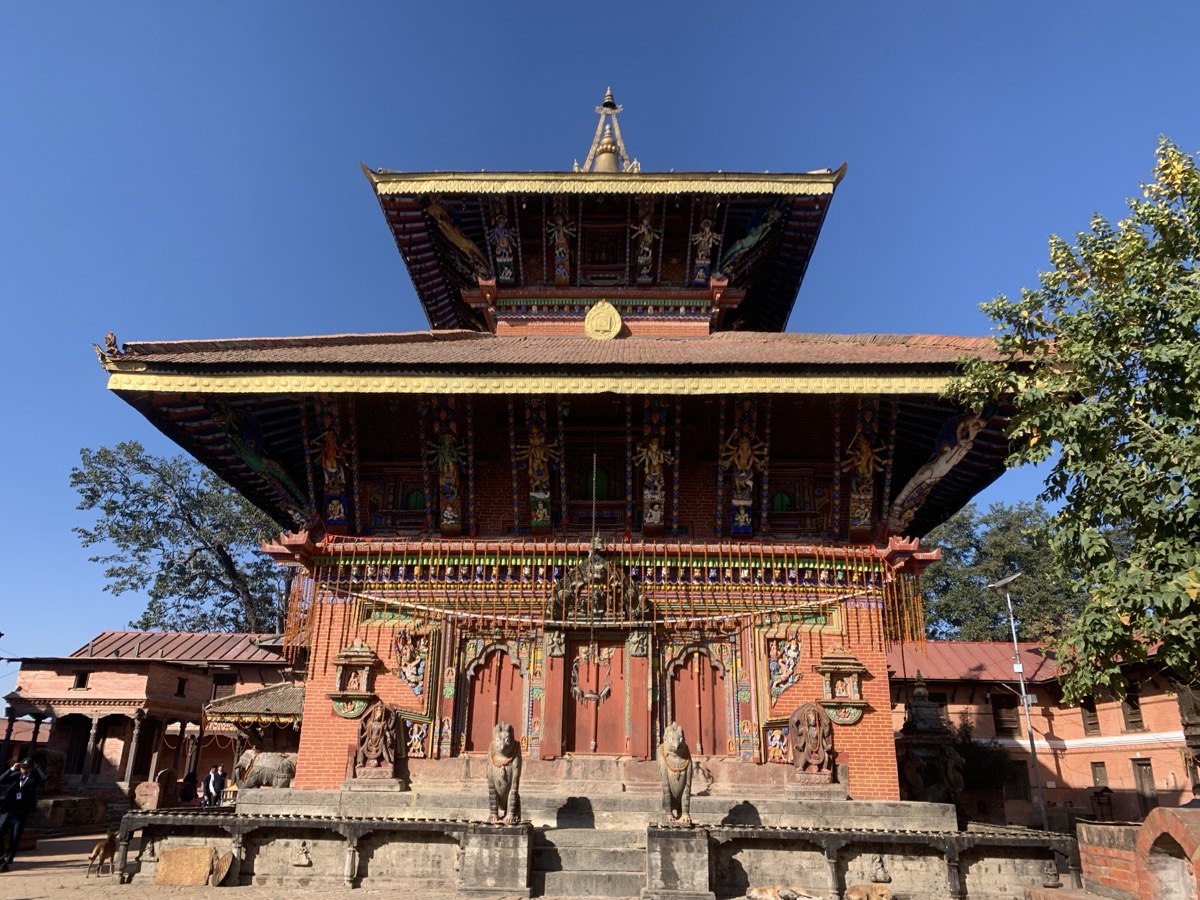
Often skipped by tourists rushing to get to the mountains, Changu Narayan is the oldest temple in the Kathmandu Valley, with inscriptions dating back to 464 AD. Located on a high ridge, it offers views of the Himalayas on a clear day. The stone carvings here are intricate and depict the avatars of Lord Vishnu.
The Insider Experience: Hike there. Take a taxi to Telkot and hike the 2-hour ridge trail to Changu Narayan. It takes you through pine forests and small farming villages, offering a slice of rural life just minutes from the city.
Cultural Etiquette (How Not to Be "That" Tourist)
Kathmandu is forgiving, but it is deeply traditional. To travel with respect (and to get deeper smiles from the locals), follow these rules of thumb.
-
The Feet Rule: In Nepal, feet are considered the dirtiest part of the body. Never step over someone’s legs or feet. Never point your feet at a religious shrine or a person. If you accidentally touch someone with your foot, apologize immediately.
-
The Head Rule: Conversely, the head is sacred. Do not touch people (especially children) on the head.
-
Dress Code: While Thamel is modern, the rest of the city is conservative. Men should avoid sleeveless shirts. Women should cover shoulders and knees. This is non-negotiable when entering temples.
-
Food Hygiene: Never eat with your left hand. The left hand is reserved for... bathroom activities. Use your right hand for eating and passing money.
-
Temples: Leather items (belts, bags) are strictly prohibited inside many Hindu temple shrines. Always take off your shoes before entering a home or a temple.
-
Public Affection: Kissing or cuddling in public is frowned upon. Holding hands is fine (you will see many Nepali men holding hands as a sign of friendship).
A Culinary Awakening (Beyond the Mountain Rations)
For decades, trekkers viewed Nepali food merely as fuel—something to power them up the mountain. But Kathmandu is undergoing a culinary renaissance. The city is a melting pot of flavors, borrowing spice from India, starch from Tibet, and fermenting techniques from the indigenous Newar community.
1. Momo: The National Obsession
If Nepal has a religion outside of Hinduism and Buddhism, it is Momo. These dumplings are everywhere.
-
The Basics: Steamed or fried dough parcels filled with minced meat (usually buffalo "buff" or chicken) or vegetables.
-
The Pro Level: Try Jhol Momo (momos drowned in a cold, spicy, tangy sesame-tomato soup) or C-Momo (Chilly Momo—fried and tossed in a hot chili sauce).
-
Where to Eat: Skip the fancy restaurants. The best momos are found in the small, steamy shops where locals are standing in line.

2. Dal Bhat: The 24-Hour Power
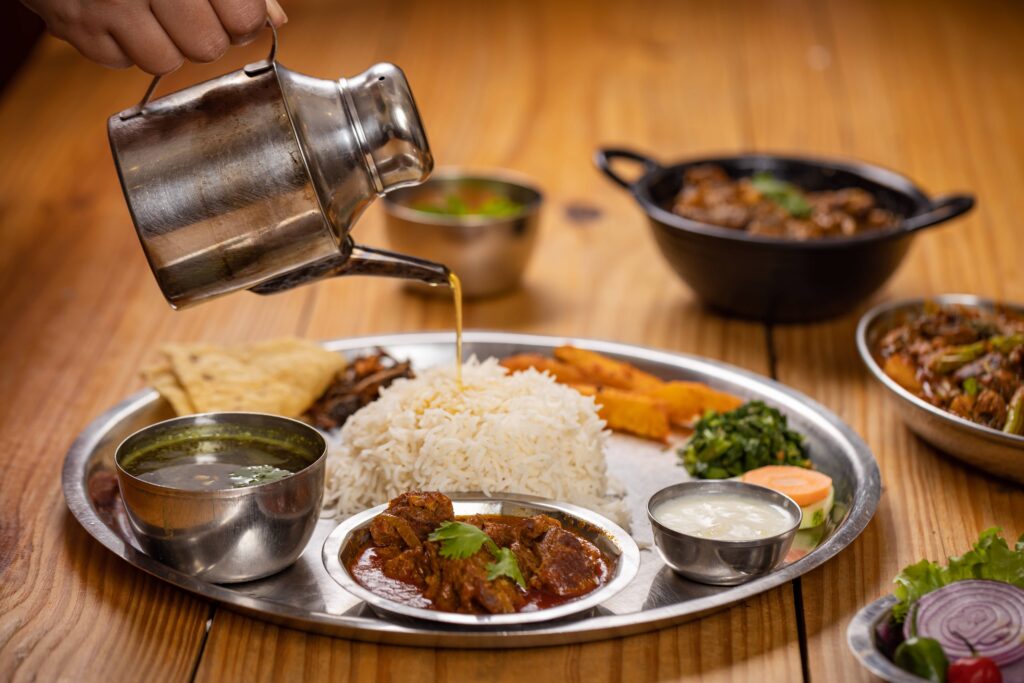
"Dal Bhat Power, 24 Hour" isn't just a rhyme; it's a lifestyle. This is the meal most Nepalis eat twice a day, every day.
-
The Plate: It consists of steamed rice (Bhat), lentil soup (Dal), a vegetable curry (Tarkari), spicy pickles (Achar), and sometimes meat or curd.
-
The Secret: It is bottomless. In any authentic restaurant, the servers will circle your table with metal buckets, refilling your rice and lentils until you physically stop them. It is the best value meal in the city.
3. The Newari Feast (The Real Kathmandu Food)
The Newars are the original inhabitants of the valley, and their cuisine is distinct—spicier, richer, and heavier on meat than standard Nepali fare.
-
Chatamari: Often called "Nepali Pizza," this is a rice flour crepe topped with minced meat, eggs, and onions.
-
Yomari: A steamed rice-flour dumpling shaped like a fig, filled with sweet molasses (chaku) or coconut. It is winter comfort food at its finest.
-
Samay Baji: A traditional platter served during festivals. It includes beaten rice (chiura), smoked meat, boiled egg, black soybeans, and spicy potato salad. It’s a texture explosion.
-
Bara: A thick, savory lentil pancake, often topped with an egg. Perfect for breakfast.

4. Street Food Safety
Kathmandu’s street food is delicious but risky for unconditioned stomachs.
-
Safe Bets: Freshly cooked, piping hot items like Sel Roti (sweet rice doughnuts) or hot tea.
-
Avoid: Pre-cut fruit, uncooked vegetables (salads), and water-based chutneys (green sauces) on the street.
-
The Pani Puri Rule: We love Pani Puri, but unless the vendor uses mineral water (rare), it is the quickest way to get "Delhi Belly" (or "Kathmandu Cramps"). Stick to high-end chaat houses for this.
5. Chiya (Tea) Culture
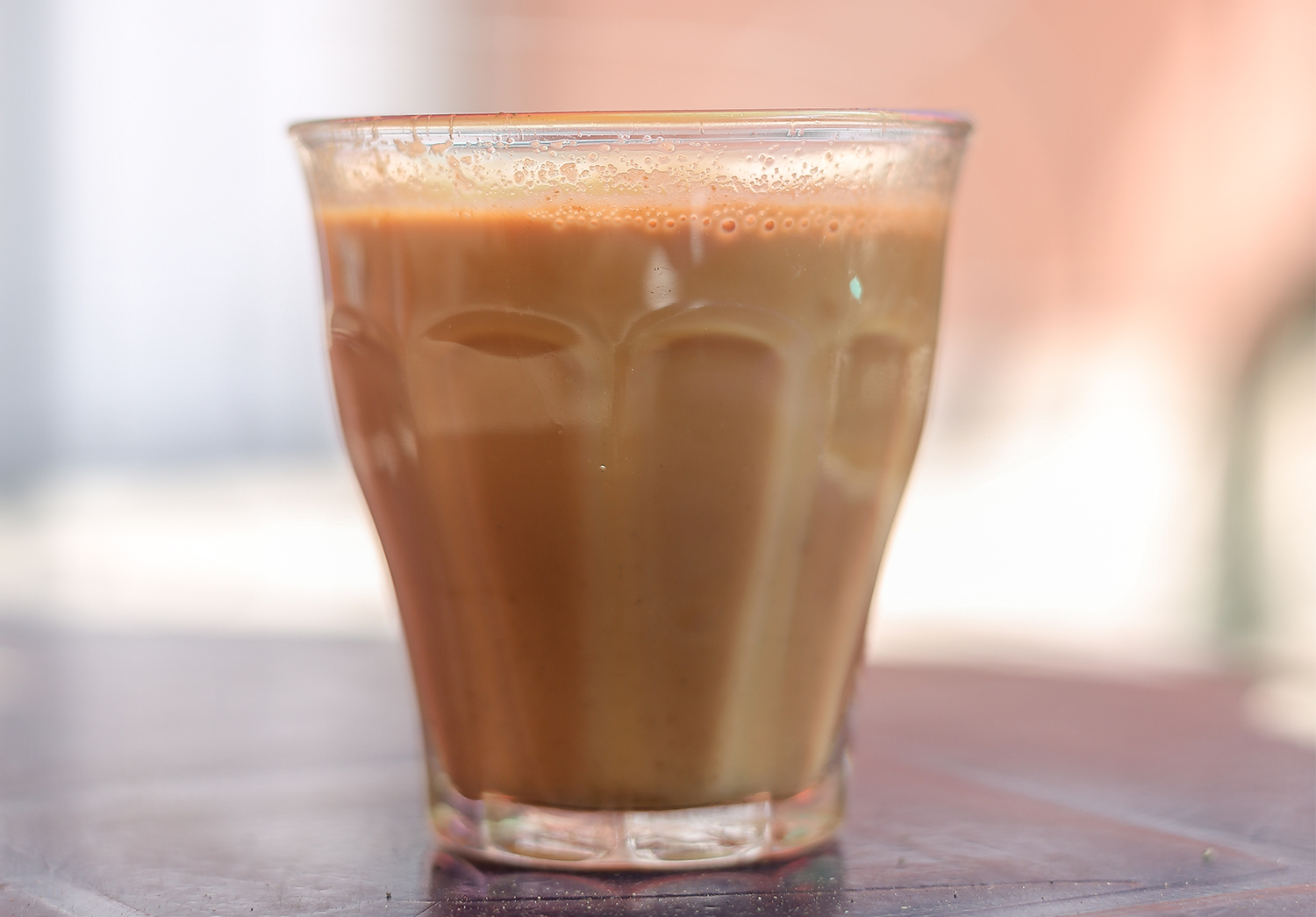
Coffee culture is growing in Thamel, but Chiya (sweet, spiced milk tea) is the lifeblood of the city. It is drunk in small glass cups on every street corner. It is a social lubricant; business deals, political debates, and gossip all happen over a cup of Chiya.
Neighborhood Watch (Where to Base Yourself)
Kathmandu is sprawling. Choosing the right neighborhood can define your trip.
1. Thamel: The Backpacker’s Hub
-
Best For: First-timers, nightlife lovers, and shopping.
-
The Vibe: Neon lights, live music, trekking shops, and narrow streets packed with taxis and rickshaws. It is convenient but loud.
-
Pros: Everything you need (ATMs, gear, western food) is within walking distance.
-
Cons: It lacks authentic local culture and is very noisy.
2. Patan (Lalitpur): The Sophisticated Choice
-
Best For: Couples, art lovers, and those seeking quiet.
-
The Vibe: Patan feels more residential and historic. The area around Durbar Square has beautiful boutique hotels and B&Bs in restored Newari houses.
-
Pros: Better preserved architecture, less traffic, better museums.
-
Cons: Nightlife is limited; restaurants close earlier than in Thamel.
3. Boudha: The Spiritual Sanctuary
-
Best For: Solo travelers, meditators, and early risers.
-
The Vibe: Staying near the stupa allows you to wake up and do the kora before the tourists arrive. The energy here is incredibly calming.
-
Pros: Unique Tibetan culture, peaceful mornings.
-
Cons: It is far from the city center (30–60 mins by taxi depending on traffic).
4. Lazimpat: The Expat Enclave
-
Best For: Luxury travelers and families.
-
The Vibe: Just north of Thamel, this is the embassy district. It features wider roads and high-end hotels like the Hotel Shanker or the Radisson.
-
Pros: Upscale dining, cleaner air, quieter.
-
Cons: Can feel a bit sterile and disconnected from the "real" city.
The City of Festivals
Kathmandu is said to have more festivals than days in the year. If you can time your trip with one of these, the experience is unforgettable.
-
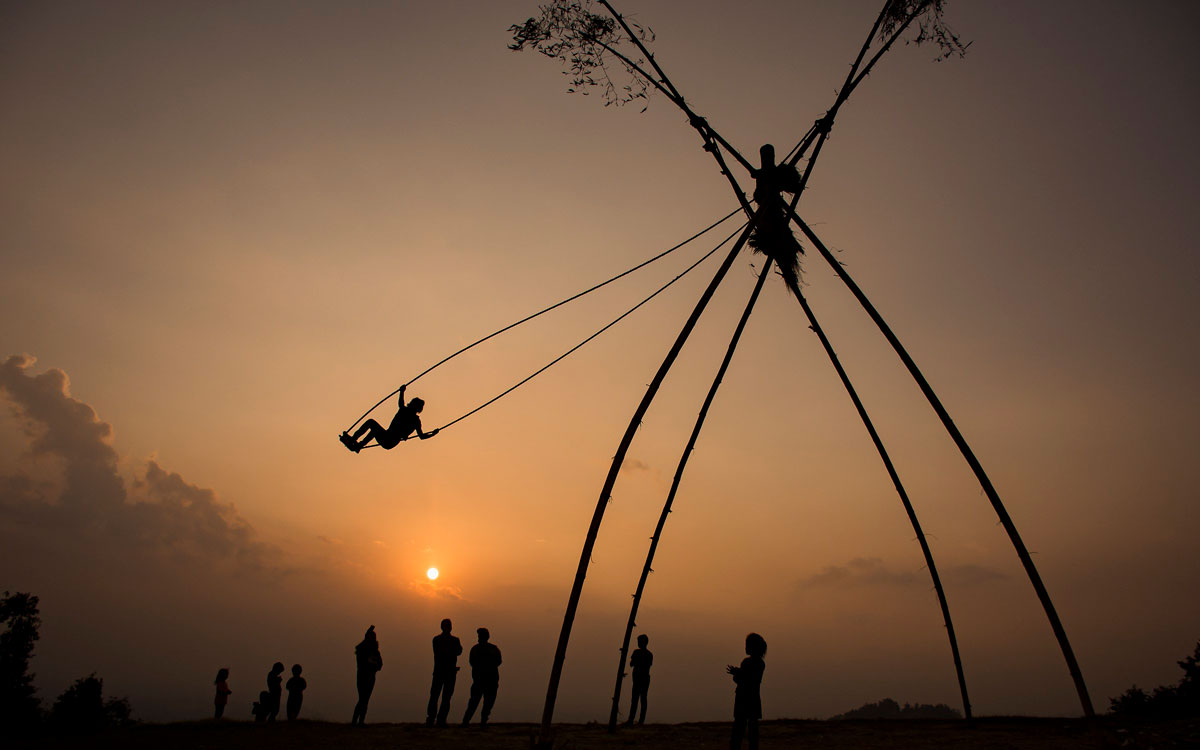
Dashain (September/October): The biggest Hindu festival. The city empties out as people go back to their villages. The sky is filled with colorful kites, and bamboo swings are erected in parks. Note: Many shops and restaurants close during the main days.
-
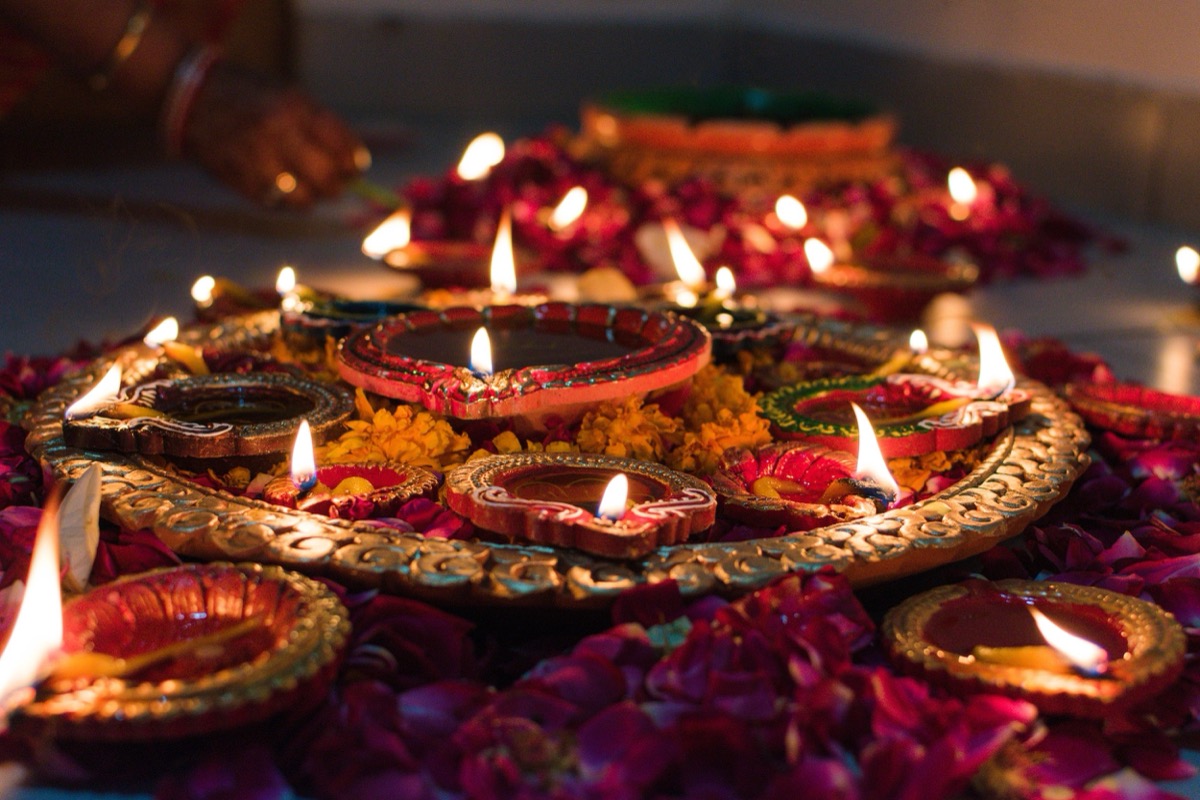
Tihar (October/November): The Festival of Lights. The city is decorated with oil lamps, marigolds, and electric lights. On the day of Laxmi Puja, it is magical. Also, look out for Kukur Tihar, the day dogs are worshipped with flower garlands and treats.
-
Holi (March): The festival of colors. In Kathmandu, it is a wild, joyful street party where everyone throws colored powder and water at each other. Wear white clothes you don't mind ruining!

-
Shivaratri (February/March): Dedicated to Lord Shiva. Tens of thousands of Sadhus converge on Pashupatinath. It is a smoky, chaotic, and intense religious gathering.
-
Indra Jatra (September): The biggest street festival in Kathmandu. The Living Goddess (Kumari) is pulled through the streets in a massive chariot. Masks are danced, and alcohol flows from the mouth of a statue of Bhairab.
Escaping the Dust (Day Trips)
The pollution and noise of the city can get tiring. Luckily, the rim of the valley offers lush forests and stunning views just an hour away.
1. Nagarkot
-
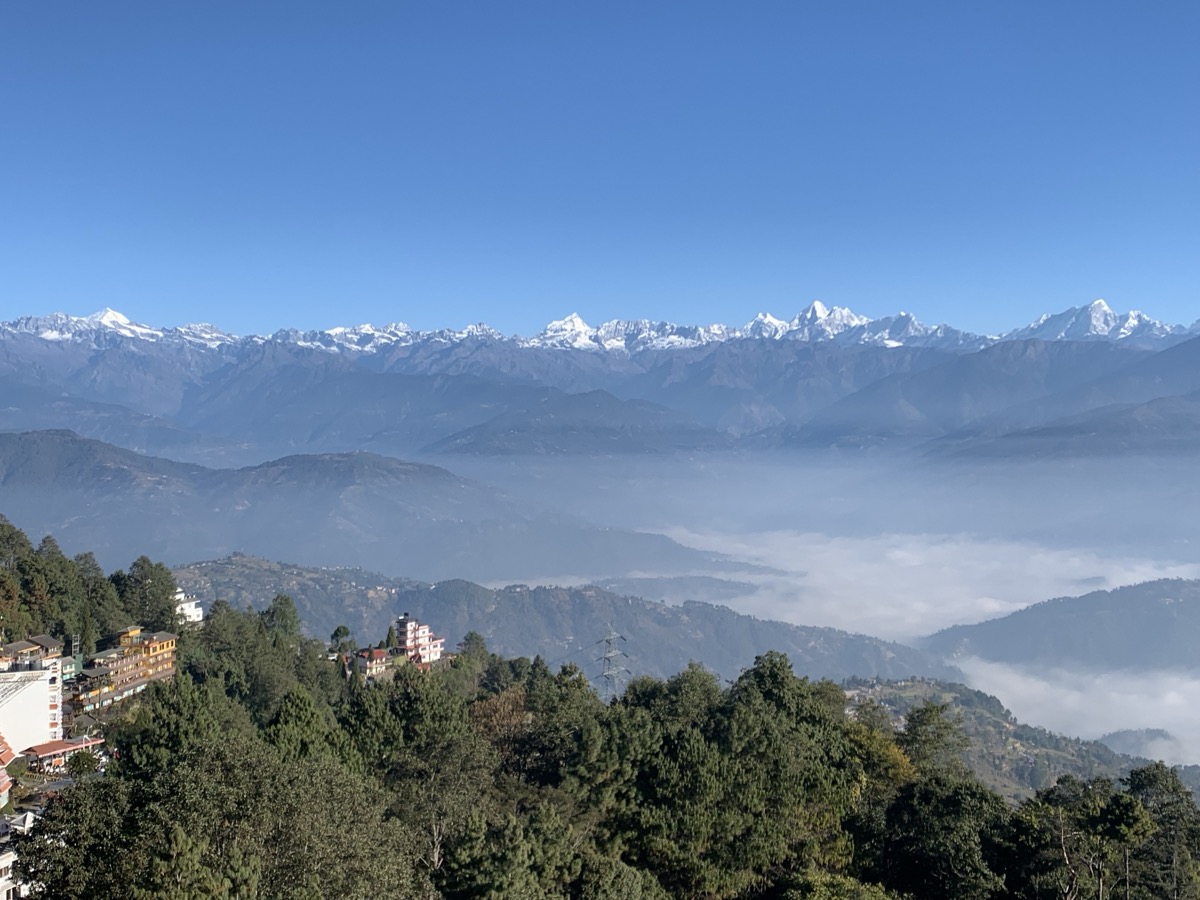
The Draw: Sunrise views of the Himalayas.
-
The Trip: Drive 1.5 hours east. On a clear day, you can see a panorama stretching from the Annapurnas to Everest.
-
Tip: Stay overnight. The sunrise is the main event, and the morning light hitting the peaks is worth the early wake-up.
2. Chandragiri Hills
-
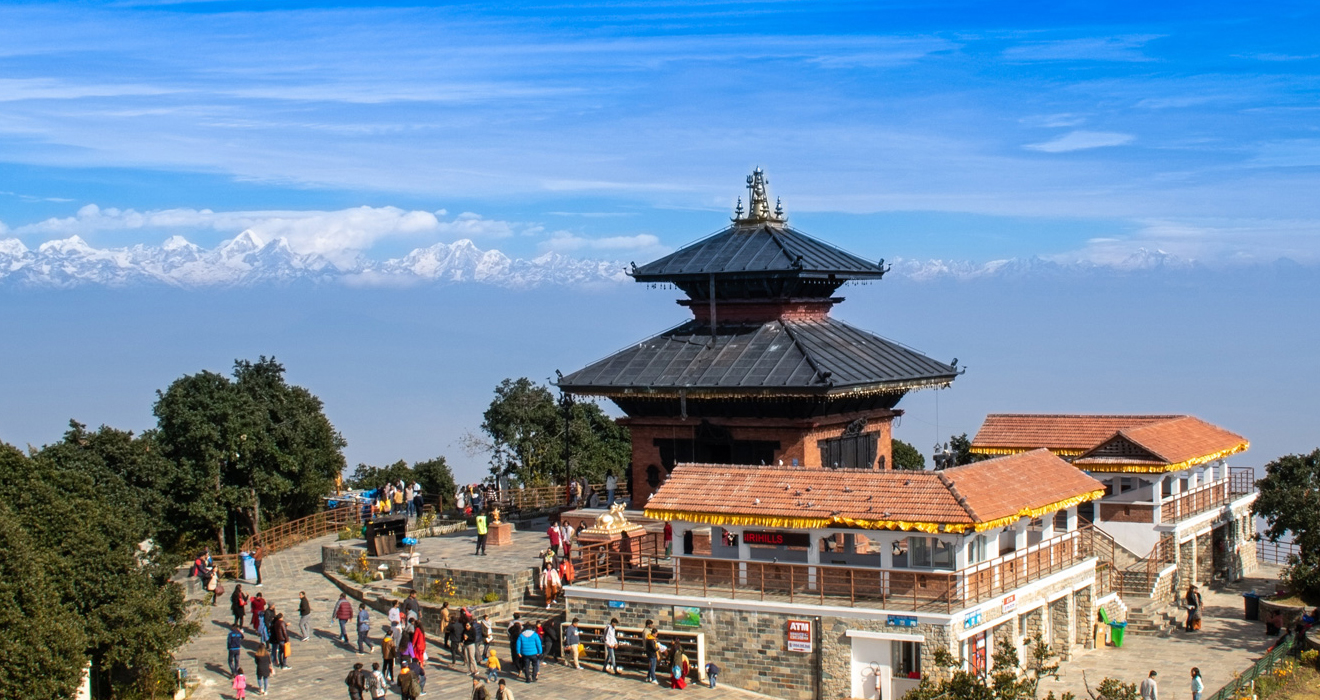
The Draw: A cable car ride to 2,551 meters.
-
The Trip: Located on the western rim. Take the steep cable car ride up to the Bhaleshwor Mahadev temple. The view of the entire Kathmandu Valley below and the snow-capped range above is spectacular.
3. Shivapuri National Park
-
The Draw: Hiking and clean air.
-
The Trip: Just north of the city (near Budhanilkantha). You can hike to the Nagi Gompa (a nunnery) or push for the peak of Shivapuri (2,732m). It is a dense forest with orchids, birds, and monkeys.
4. Kirtipur
-
The Draw: A sleepy, authentic Newari town.
-
The Trip: Located on a hill southwest of Kathmandu. It feels like Bhaktapur but without the ticket price or the crowds. It has a rich history of resistance (the noses of the inhabitants were famously cut off by the conquering Shah king in the 18th century). The food here is exceptional.
The Logistics (Traveling Smart)
1. The Visa
Most travelers can get a Visa on Arrival at the airport.
-
Prices (2025): 15 Days ($30), 30 Days ($50), 90 Days ($125).
-
Payment: Bring cash (USD, Euro, or AUD). Credit card machines at immigration are notoriously unreliable.
-
The "Queue Jump": Fill out the online visa form on the Nepal Immigration website 24 hours before you fly. Bring a printed copy to skip the digital kiosk line.
2. Getting Connected
-
SIM Cards: Do not use roaming; it is expensive. Buy a local SIM (Ncell or Nepal Telecom) at the airport arrivals hall. It costs about $5-$10 for a huge data pack. You will need a passport photo and a copy of your passport.
-
Wi-Fi: Available in almost every hotel and cafe, but speeds can fluctuate.
3. Transport: The "Uber" of Nepal
Do not haggle with taxis on the street if you can avoid it.
-
Download Apps: Download Pathao or InDrive. These are the local ride-sharing apps. You can book a motorbike (fastest way to cut traffic) or a taxi (safer, dust-free). The prices are fixed and fair.
-
Local Buses: You can explore by public transport. It cost (20-40 Rupees) one station to another station but crowded and confusing. Only for the adventurous.
4. Health & Hygiene
-
Water: NEVER drink tap water. Not even for brushing your teeth if you have a sensitive stomach. Use boiled or filtered water. We recommend bringing a LifeStraw or Grayl bottle to reduce plastic waste.
-
Masks: The dust in Kathmandu is real. Bring an N95 mask or a "Buff" to cover your nose and mouth while traveling in open vehicles or walking on main roads.
-
Toilet Paper: Carry your own. Public restrooms rarely provide it.
Frequently Asked Questions (FAQs)
Q: Is Kathmandu safe for solo female travelers? A: Yes, generally very safe. Sexual harassment is rare compared to other parts of South Asia. However, standard precautions apply. Avoid walking alone in unlit areas late at night. Dress modestly (covering shoulders and knees) to avoid unwanted stares. The biggest danger is usually tripping on uneven pavement, not crime.
Q: How much money do I need per day? A:
-
Budget (Backpacker): $25 - $35 USD (Hostel, local food, buses).
-
Mid-Range: $60 - $100 USD (3-star hotel, restaurant meals, taxi/rideshare).
-
Luxury: $200+ USD (5-star heritage hotel, private car, fine dining).
-
Note: Entrance fees for UNESCO sites range from $5-$15 each, so budget accordingly.
Q: Can I use US Dollars in the city? A: You can use USD for Visas and sometimes at high-end hotels, but for everything else, you need Nepalese Rupees (NPR). Shops will give you a terrible exchange rate if you pay in dollars. Use ATMs in Thamel or exchange cash at official counters.
Q: What about the electricity load-shedding? A: This is largely a thing of the past. Kathmandu now has near 24-hour electricity. However, power outages still happen occasionally during storms. Most hotels have backup generators.
Q: Should I tip? A: Tipping is not mandatory but is becoming expected in tourism.
-
Restaurants: Check the bill. If there is a 10% Service Charge added, you don't need to tip more. If not, 10% is polite.
-
Guides/Drivers: Highly appreciated. $5-$10 per day for a guide is standard.
Q: Is the city wheelchair accessible? A: Honestly, no. The old streets are paved with cobblestones, sidewalks are high or nonexistent, and temples have steep stairs. However, Approved Holidays can arrange specialized tours with accessible vehicles and porters to assist in specific areas.
Conclusion: The City That Changes You
Kathmandu is not a city you simply "visit." It is a city you survive, and then fall in love with.
It tests your patience with its traffic, but rewards you with a moment of pure clarity when you hear the evening bells at Pashupatinath. It covers you in dust, but cleanses your spirit with the peaceful gaze of the Buddha at Boudhanath.
You will leave Kathmandu with a suitcase full of pashminas and singing bowls, but more importantly, you will leave with a shift in perspective. You will see that chaos and peace can coexist. You will see that the ancient world is still very much alive.
Whether you are here for the mountains, the temples, or the momos, Kathmandu is ready for you.
Are you ready to embrace the chaos?
Start Your Journey With Approved Holidays
Planning a trip to Nepal can be complex. Let us handle the logistics so you can focus on the experience. From private heritage tours to Everest helicopter breakfasts, we curate the best of the Himalayas.