Introduction: Discovering the Quiet Side of Nepal
Nepal is often described as a trekker’s paradise—and for good reason. The country is home to some of the world’s most iconic trekking routes, where towering Himalayan peaks, ancient cultures, and dramatic landscapes come together in a truly unforgettable way.
However, as trekking in Nepal has grown in popularity, many of the famous routes have become increasingly busy. Trails like Everest Base Camp and Annapurna Base Camp now welcome thousands of trekkers each season. While they remain incredible experiences, they don’t always offer the quiet and solitude that many travelers seek today.
This is where offbeat trekking routes come into the picture.
If you’re someone who prefers peaceful trails, authentic village experiences, and a deeper connection with nature, then the Khopra Ridge Trek is exactly what you’re looking for. Hidden within the Annapurna region, this lesser-known trail offers breathtaking mountain views, cultural richness, and a sense of calm that is hard to find elsewhere.
Khopra Ridge is not just another trek—it is a journey that allows you to experience Nepal in its purest and most untouched form.
Why Offbeat Trekking is the Future of Travel
Travel trends are changing. More people are moving away from crowded destinations and looking for meaningful experiences instead.
Offbeat trekking routes like Khopra Ridge offer something unique:
You walk through quiet forests where the only sound is nature itself. You stay in small community lodges where locals welcome you like family. You wake up to uninterrupted views of the Himalayas without dozens of other trekkers around you.
This kind of experience feels more personal and more memorable.
It’s not about reaching a destination quickly—it’s about enjoying every step of the journey.
Khopra Ridge Trek: A Hidden Gem in the Annapurna Region
Located in the Annapurna region, Khopra Ridge lies just beyond the popular Ghorepani trail. Yet, despite being so close to well-known routes, it remains relatively undiscovered.
This makes it a perfect alternative for those who want:
- Spectacular Himalayan views without the crowds
- A peaceful trekking environment
- Authentic interactions with local communities
- A balance of adventure and comfort
The trek offers a combination of lush forests, traditional villages, alpine landscapes, and panoramic mountain ridges—making it one of the most diverse and rewarding short treks in Nepal.
Walking Through Nature: The Changing Landscapes
One of the most beautiful aspects of the Khopra Ridge Trek is how the landscape transforms as you walk.
The journey begins with green hills, terraced farmlands, and charming villages. As you move higher, the environment shifts into dense forests filled with rhododendron, oak, and pine trees.
During spring, these forests bloom into vibrant colors, creating a magical atmosphere that feels almost unreal.
Further along, the trees begin to thin out, and the landscape opens into wide alpine terrain. Here, the views become dramatic, with snow-covered peaks dominating the horizon.
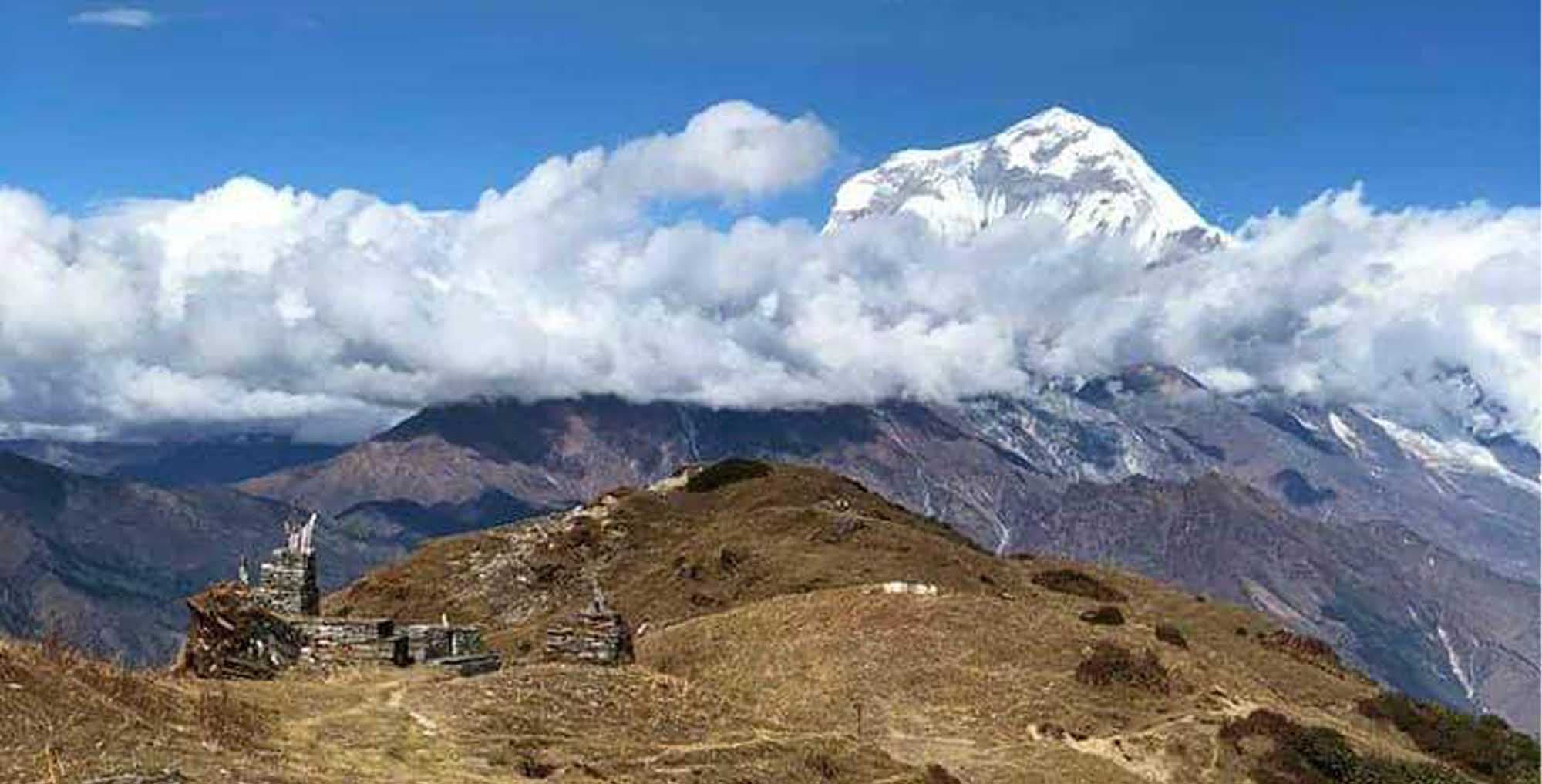
By the time you reach Khopra Ridge, you are surrounded by mountains in every direction—a truly humbling and awe-inspiring experience.
The Mountain Views: A Constant Reward
Throughout the trek, the Himalayas remain your constant companion.
From different points along the trail, you can see:
- Dhaulagiri (8,167m)
- Annapurna South
- Nilgiri Himal
- Machhapuchhre (Fishtail)
What makes Khopra Ridge particularly special is the perspective. Unlike some treks where views are limited to specific viewpoints, here you experience wide, uninterrupted panoramas—especially from the ridge itself.
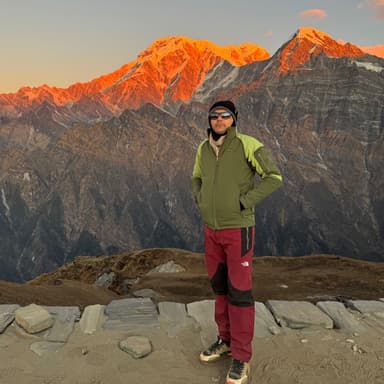
Sunrise and sunset are the highlights of each day. The mountains change colors with the light, shifting from soft pink to glowing gold, and finally fading into deep blue shadows.
These are the moments that make the trek unforgettable.
Khayer Lake: A Sacred Himalayan Experience
A key highlight of the Khopra Ridge Trek is the hike to Khayer Lake, located at an altitude of around 4,500 meters.
This part of the journey is more demanding, but it is also one of the most rewarding.
The trail to Khayer Lake takes you through rugged terrain and high-altitude landscapes. As you approach the lake, the surroundings become quieter, more spiritual, and deeply peaceful.
Khayer Lake is considered sacred by both Hindus and Buddhists. Pilgrims visit during special festivals, but even outside these times, the lake holds a powerful sense of calm and reverence.
Standing by the lake, surrounded by towering peaks and complete silence, is an experience that touches you on a deeper level.
Community-Based Trekking: Travel with Purpose
One of the most meaningful aspects of the Khopra Ridge Trek is its community lodge system.
Unlike heavily commercialized trekking routes, the lodges here are managed by local communities. This ensures that tourism directly benefits the people who live in the region.
When you stay in these lodges, you are supporting:
- Local families
- Rural development
- Sustainable tourism practices
This creates a more responsible and rewarding travel experience.
Detailed 10-Day Itinerary
Day 1: Arrival in Kathmandu
Arrive in Kathmandu and settle into your hotel. Explore the lively streets and prepare for your journey.
👉 Internal Link: Kathmandu Day Tours
Day 2: Travel to Pokhara
Drive or fly to Pokhara, a beautiful city known for its lakes and mountain views.
👉 Internal Link: Pokhara Tour Package
Day 3: Drive to Nayapul, Trek to Ghandruk
Begin your trek and reach the traditional Gurung village of Ghandruk.
Day 4: Trek to Tadapani
Walk through forests and enjoy scenic views.
Day 5: Trek to Dobato
Enter quieter trails and experience true offbeat trekking.
Day 6: Trek to Khopra Ridge
Reach the ridge and enjoy breathtaking panoramic views.
Day 7: Hike to Khayer Lake
A challenging yet rewarding day hike.
Day 8: Trek to Swanta Village
Descend into a peaceful traditional village.
Day 9: Trek to Ulleri, Drive to Pokhara
End your trek and return to Pokhara.
Day 10: Return to Kathmandu
Travel back to Kathmandu.
Best Time to Visit
The best seasons for Khopra Ridge Trek are spring and autumn.
Spring offers blooming forests and pleasant weather, while autumn provides clear skies and stunning mountain visibility.
Conclusion: Why Khopra Ridge is Worth It
FAQs:
1. Is Khopra Ridge Trek suitable for beginners?
Yes, it is suitable for beginners who have a basic level of fitness. While the trek includes some uphill climbs and longer walking days, it does not require technical climbing skills. With proper preparation and a steady pace, first-time trekkers can complete it comfortably.
2. How difficult is the Khopra Ridge Trek?
The trek is considered moderate in difficulty. You will typically walk 5–7 hours per day, with some steeper sections. The hike to Khayer Lake is the most challenging part due to altitude and terrain.
3. What is the highest altitude of the trek?
The highest point is Khayer Lake at around 4,500 meters. Khopra Ridge itself sits at approximately 3,660 meters.
4. Is altitude sickness a concern?
There is a mild risk of altitude sickness, especially when heading to Khayer Lake. However, the gradual ascent of the trek helps with acclimatization. Staying hydrated and walking slowly reduces the risk.
5. Do I need a guide for this trek?
While the trail is accessible, hiring a guide is highly recommended. A guide enhances your experience by providing local knowledge, ensuring safety, and helping with navigation.
6. What kind of accommodation is available?
Accommodation consists of tea houses and community lodges. They are simple but comfortable, offering basic facilities and warm hospitality.
7. What food is available during the trek?
You can enjoy a variety of meals including Dal Bhat, noodles, soups, rice dishes, and even some Western options. Meals are freshly prepared and provide the energy needed for trekking.
8. When is the best time to do the trek?
Spring (March to May) and autumn (September to November) are the best seasons due to favorable weather and clear mountain views.
9. Is Khopra Ridge less crowded than other treks?
Yes, significantly less crowded. This is one of its biggest advantages, offering a peaceful and more personal trekking experience.
10. What permits are required?
You will need an Annapurna Conservation Area Permit (ACAP) and a TIMS card. These are usually arranged through a trekking agency.
11. Can I do this trek solo?
Yes, solo trekking is possible, but hiring a guide is recommended for safety and a richer experience.
12. What should I pack for the trek?
You should pack layered clothing, trekking boots, a sleeping bag, a water bottle, and basic medical supplies. Weather can change quickly, so preparation is key.