The Ultimate Manaslu Circuit Trek Guide: Distance, Difficulty & Practical Logistics
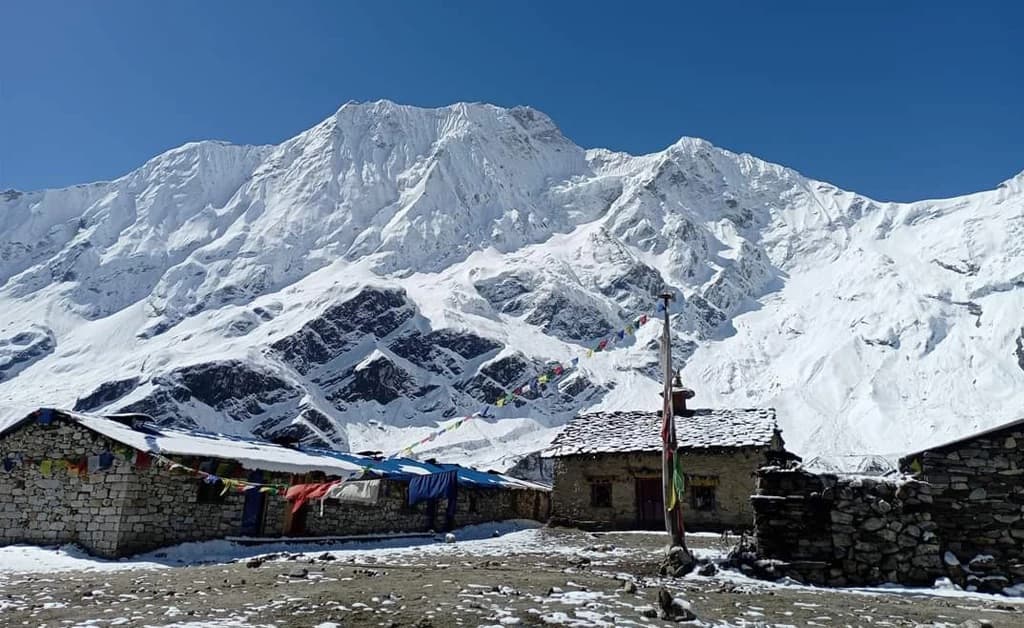
If you are looking for an authentic Himalayan adventure away from the heavy foot traffic of Everest or Annapurna, the Manaslu Circuit Trek stands out as one of Nepal’s premier off-the-beaten-path journeys. Circling the world’s eighth-highest mountain, Mount Manaslu (8,163m), this trek offers a blend of ancient Tibetan-Buddhist culture, untouched alpine landscapes, and raw Himalayan terrain.
Before pulling on your boots, understanding the trail distance, physical difficulty, and the strict permit regulations is crucial for a safe and enjoyable journey.
1. At a Glance: Key Trek Metrics
| Metric | Details |
| Total Distance | ~177 km / 110 miles (150–190 km depending on route & side trips) |
| Trek Duration | 12 to 14 days on trail (14–16 days total including transfers) |
| Highest Point | Larkya La Pass (5,106 m / 16,752 ft) |
| Average Daily Walk | 12–18 km per day (5–8 hours walking) |
| Difficulty Rating | Strenuous / Challenging |
| Starting / Ending | Machha Khola / Dharapani |
| Best Seasons | Spring (March–May) & Autumn (September–November) |
2. Understanding the Distance & Difficulty
The standard Manaslu Circuit covers approximately 177 kilometers (110 miles). While averaging 14–15 km per day sounds manageable at sea level, the numbers don't tell the whole story.
The Manaslu Circuit is officially classified as a strenuous high-altitude trek. While it does not require technical mountaineering skills, it demands strong stamina and mental resilience.
The Ultimate Test: Larkya La Pass Day
Crossing the Larkya La Pass (Dharamsala to Bimthang) is the hardest day of the trek.
-
Distance: ~22 km
-
Duration: 8 to 10 hours
-
Conditions: Pre-dawn start (around 3:00–4:00 AM) in freezing temperatures, a slow uphill trek through snow and ice over 5,000 meters, followed by a steep 1,400-meter descent to Bimthang.
Sample Day-by-Day Distance Breakdown
| Day | Route Section | Dist. (approx.) | Est. Time | Elevation Gain / Loss |
| 01 | Drive: Kathmandu to Machha Khola | — | 8–9 hrs | 1,300m → 870m |
| 02 | Machha Khola to Jagat | 15 km | 6–7 hrs | 870m → 1,340m |
| 03 | Jagat to Deng | 20 km | 7–8 hrs | 1,340m → 1,804m |
| 04 | Deng to Namrung | 19 km | 6–7 hrs | 1,804m → 2,630m |
| 05 | Namrung to Samagaon | 17 km | 6–7 hrs | 2,630m → 3,530m |
| 06 | Acclimatization (Samagaon) | 8–12 km | 5–6 hrs | Side hike up to 4,800m |
| 07 | Samagaon to Samdo | 17 km | 4–5 hrs | 3,530m → 3,875m |
| 08 | Samdo to Dharamsala | 12 km | 4–5 hrs | 3,875m → 4,460m |
| 09 | Cross Larkya La to Bimthang | 22 km | 8–10 hrs | 4,460m → 5,106m → 3,720m |
| 10 | Bimthang to Dharapani | 18 km | 6–7 hrs | 3,720m → 1,860m |
| 11 | Drive: Dharapani to Kathmandu | — | 9–10 hrs | 1,860m → 1,300m |
3. Mandatory Permits & Regulations (2026 Updates)
Because Manaslu borders Tibet, it is a strictly regulated region. You cannot trek independently without a licensed guide, and all permits must be arranged through a registered Nepalese trekking agency.
Note: As of March 2026, the long-standing rule requiring a minimum of two trekkers has been lifted. Solo trekkers can now obtain permits, provided they hire a mandatory licensed guide through a registered agency.
You will need three specific permits and one local fee:
-
Restricted Area Permit (RAP):
-
Autumn (Sept–Nov): $100 USD for the first 7 days, plus $15 per additional day.
-
Spring/Off-Season (Dec–Aug): $75 USD for the first 7 days, plus $10 per additional day.
-
-
Manaslu Conservation Area Permit (MCAP): 3,000 NPR (~$23 USD).
-
Annapurna Conservation Area Permit (ACAP): 3,000 NPR (~$23 USD) — required because the trail exits through the Annapurna region.
-
Tsum Nubri Municipality Fee: 1,000 NPR (~$8 USD), paid in cash at the Jagat checkpoint.
(Note: The TIMS card is NOT required for the Manaslu Circuit).
4. Total Cost & Budgeting
While package costs vary by agency, independent trekkers organizing through an agency should budget for the following baseline costs (for a 14-day itinerary):
-
Permits: $175 – $215 USD (depending on the season and days in the restricted zone).
-
Licensed Guide: $25 – $35 USD per day ($350 – $490 total, which covers their food/wages/insurance). This cost can be split if trekking in a group.
-
Accommodation: $5 – $10 USD per night at lower elevations; $15 – $25 USD at high camps like Dharamsala.
-
Food & Water: $20 – $30 USD per day. Expect prices for Dal Bhat and tea to rise significantly as altitude increases.
-
Transport: $30 – $40 USD for local buses/shared jeeps; private jeeps cost $160 – $200+ each way.
-
Hidden Costs: Budget an extra $100–$150 USD for hot showers ($3–$8), device charging ($2–$5), Wi-Fi ($2–$5), and extra snacks.
5. Accommodation, Food, & Connectivity
Teahouse Living:
Manaslu is a classic teahouse trek. Rooms are basic—typically twin beds with foam mattresses and unheated rooms. Blankets are provided, but a four-season sleeping bag is absolutely mandatory for hygiene and warmth at higher altitudes.
Food on the Trail:
The staple is Dal Bhat (rice, lentil soup, and vegetable curry), which offers all-you-can-eat refills and is perfect for trekking energy. Teahouses also serve momos, noodles, fried rice, porridge, and Tibetan bread. Meat is rarely fresh at high altitudes, so a vegetarian diet is highly recommended to avoid stomach issues.
Connectivity:
Wi-Fi is available in many lower villages (for a fee), but it becomes highly unreliable past Namrung. Purchase a local SIM (NTC generally has slightly better coverage in this specific region than Ncell), but prepare to be fully disconnected for 3–4 days near the pass.
6. Essential Packing List
Pack light (aim for 10–12 kg max if carrying your own gear) but do not compromise on warmth or safety.
Clothing (Layering System):
-
2–3 Moisture-wicking base layers (merino wool is best).
-
1 Fleece mid-layer for active hiking in cold weather.
-
1 Heavy Down Jacket (essential for mornings and evenings above 3,500m).
-
Waterproof & windproof outer shell (jacket and trousers).
-
2 pairs of trekking trousers (quick-dry).
Gear & Hardware:
-
Sleeping Bag: Rated to -15°C (5°F) minimum.
-
Footwear: Broken-in, waterproof trekking boots with ankle support, plus camp shoes (Crocs or sandals).
-
Trekking Poles: Crucial for the steep descent from Larkya La Pass.
-
Backpack: 40–50L backpack with a rain cover.
-
Microspikes & Gaiters: Necessary if trekking in early spring or late autumn when snow/ice covers the pass.
Health & Hygiene:
-
Water purification tablets or a filter system (SteriPEN/LifeStraw). Do not buy single-use plastic bottles on the trail.
-
Comprehensive first-aid kit including Diamox (for altitude), blister plasters, and rehydration salts.
-
Power bank (solar preferred) to avoid high charging fees.
7. Responsible Trekking & Leave No Trace
The Manaslu region is culturally sensitive and ecologically fragile. To preserve its raw beauty:
-
Refuse Single-Use Plastics: Bring a reusable water bottle and purify tap or stream water.
-
Respect Local Culture: Dress modestly. Always walk to the left of Buddhist mani walls, chortens, and prayer wheels.
-
Support Local: Buy snacks and tea directly from the teahouses you stay in rather than bringing everything from Kathmandu.
-
Trek Ethical: If hiring a porter, ensure your trekking agency strictly follows the weight limit guidelines (maximum 20kg per porter) and provides them with proper cold-weather gear and insurance.
8. Frequently Asked Questions (FAQs)
Q: Can I do the Manaslu Circuit Trek solo? No, completely independent trekking is strictly prohibited. Because Manaslu is a restricted region near the Tibetan border, the Nepalese government mandates that all trekkers must be accompanied by a licensed trekking guide. However, as of March 2026, the long-standing rule requiring a minimum of two trekkers to obtain a Restricted Area Permit (RAP) has been lifted. Solo trekkers can now obtain the permit, provided they still hire a mandatory guide through a registered agency.
Q: When is the best time to do the Manaslu Circuit Trek? The optimal windows are during the Spring (March to May) and Autumn (September to November). Spring brings blooming rhododendrons and slightly warmer temperatures, while Autumn offers the clearest, most stable weather for panoramic mountain views. Winter treks are heavily discouraged due to heavy snowfall that frequently blocks the Larkya La Pass.
Q: Will I need supplemental oxygen on the trail? No, supplemental oxygen is rarely needed on this trek. The highest point is 5,106m, which is challenging but manageable with a well-paced itinerary. A proper acclimatization schedule (usually including rest days in Samagaon and Samdo) allows your body to adjust naturally. Your guide will carry a pulse oximeter to monitor your oxygen saturation levels daily.
Q: Are there ATMs, Wi-Fi, or charging facilities on the route?
-
ATMs: There are absolutely no ATMs on the Manaslu trail. You must carry enough Nepali cash from Kathmandu to cover all personal expenses, snacks, and tips.
-
Wi-Fi: Available in lower villages for a small fee (usually $2–$5), but expect poor or no connectivity past Namrung and absolutely no signal at Dharmashala.
-
Charging: Teahouses charge a fee to plug in devices (usually priced per hour or per full charge). Bringing a high-capacity solar power bank is highly recommended.
Q: How does Manaslu compare to the Everest Base Camp (EBC) or Annapurna Circuit (ACT) treks? Manaslu offers a much quieter, less commercialized experience. While EBC and ACT feature large lodges, bakeries, and heavy foot traffic, Manaslu retains a raw, rugged authenticity. You will experience deep Tibetan-Buddhist culture, fewer crowds, and a true wilderness feel. In terms of difficulty, the daily terrain on Manaslu is often considered slightly more rugged and demanding than the standard EBC route.
Conclusion: Is the Manaslu Circuit Right for You?
The Manaslu Circuit Trek is not just a walk in the mountains; it is a full-scale Himalayan expedition that tests your endurance while rewarding you with some of the most pristine landscapes on Earth. Covering roughly 177 kilometers and culminating in the challenging 5,106-meter Larkya La Pass, it demands respect, proper physical preparation, and a resilient mindset.
For novice trekkers looking for a casual stroll, the distance and rugged terrain might prove overwhelming. But for those who are adequately fit, properly acclimatized, and eager to escape the crowds of Nepal's more mainstream trails, Manaslu represents the pinnacle of adventure trekking.
By securing your mandatory permits through a registered agency, packing smart, and embracing the slow, steady rhythm of the Himalayas, you will conquer the miles and experience a region where ancient culture and towering peaks remain beautifully untouched.