Khopra Ridge Trek: Uncover a Hidden Gem in the Annapurna Region
Are you looking for solitude among the Himalayas' towering peaks? Many travelers go to busy trails, but true adventurers seek something deeper. The Khopra Ridge Trek: A Hidden Gem of the Annapurna Region offers a quiet escape from the noise of commercial trails.

This path gives you a rare chance to see real mountain culture and stunning views. Choosing the khopra ridge trek nepal means valuing quiet reflection and natural beauty. It's becoming a top choice for those who prefer serenity over fame.
This guide will cover everything you need to know. We'll talk about the basics and cultural immersion to make your trip smooth and fulfilling.
Key Takeaways
- Discover a quieter alternative to mainstream Himalayan routes.
- Experience authentic local culture in remote mountain villages.
- Enjoy panoramic views of world-famous peaks without the crowds.
- Learn essential logistics for planning a successful high-altitude journey.
- Understand why this path is gaining popularity among international hikers.
Why the Khopra Ridge Trek: A Hidden Gem of the Annapurna Region
If you're looking for a pure mountain getaway, the Khopra Ridge Trek: A Hidden Gem of the Annapurna Region is perfect. It's a quiet escape from the crowded trails found elsewhere. This route offers a truly intimate connection with nature, making it a hidden treasure for those seeking solitude and stunning views.
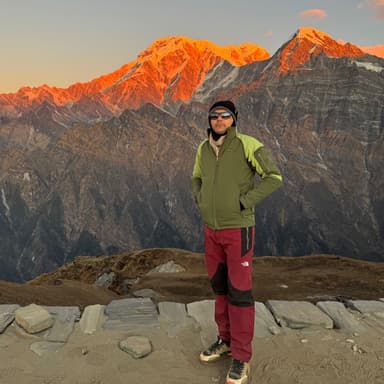
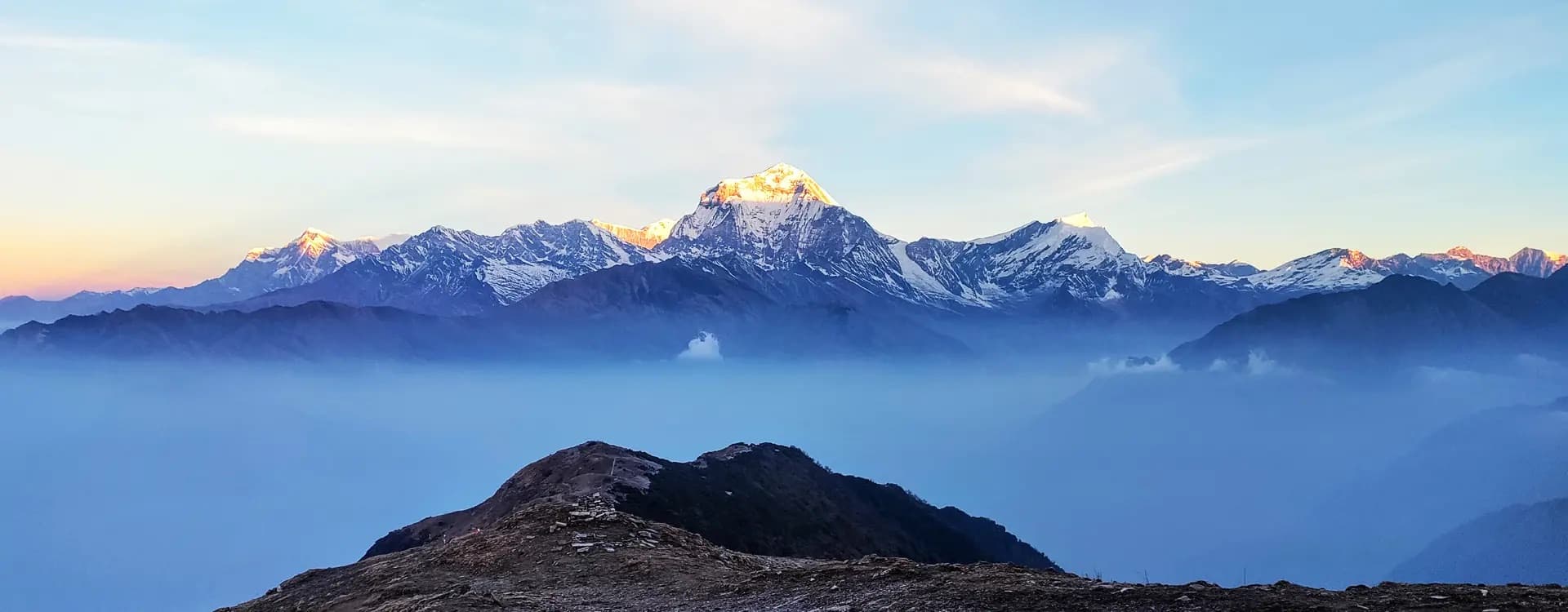
The area's dramatic elevation and wide-open views are breathtaking. Trekkers enjoy unobstructed panoramic views of peaks like Dhaulagiri and Annapurna South. This path is less crowded, keeping the environment pristine and quiet.
Choosing the Khopra Ridge Trek means an authentic trek away from mass tourism. You'll walk through ancient rhododendron forests and visit traditional villages. This journey is perfect for those who want to see the raw beauty of the mountains without the crowds.
To understand why this route is unique, let's compare it to standard trekking paths:
| Feature | Khopra Ridge Trek | Standard Popular Treks |
|---|---|---|
| Crowd Density | Very Low | High |
| View Quality | Panoramic & Unobstructed | Often Obstructed |
| Cultural Feel | Authentic & Quiet | Commercialized |
| Trail Condition | Pristine & Natural | Well-Worn & Busy |
The khopra ridge trek nepal offers a rare chance to see the Himalayas in their natural state. It's a key experience for any hiker wanting to challenge themselves in a serene, high-altitude wilderness.
Comparing the Khopra Ridge Trek and the Poon Hill Trek
When deciding between the khopra ridge trek vs the poon hill trek, it's key to know what each offers. Both paths show off the Annapurna massif's beauty but appeal to different travelers. Your choice should match your comfort level, desire for solitude, and physical readiness.
Key Differences in Altitude and Terrain
The Poon Hill trek is known for its easy altitude, reaching about 3,210 meters. It has well-kept stone paths and gentle slopes, perfect for casual hikers. On the other hand, the Khopra Ridge trail ventures into the high-altitude wilderness.
It reaches elevations near 3,660 meters, with steeper climbs and narrower paths. This makes it ideal for those seeking a more challenging, off-the-beaten-path adventure.
Crowd Levels and Trail Atmosphere
Poon Hill is very popular, leading to crowded trails and teahouses. For a quieter experience, the Khopra Ridge trek is the best alternative to poon hill trek. It's one of the less crowded treks in annapurna region, offering a peaceful mountain retreat.
"The true reward of the mountains is not just the view, but the stillness found when you step away from the beaten path."
Cultural Immersion Opportunities
The Khopra route is less traveled, keeping local villages authentic. Interactions with locals are more personal and meaningful than on the Poon Hill circuit. Staying in community-run teahouses gives a glimpse into the daily lives of mountain people.
| Feature | Poon Hill Trek | Khopra Ridge Trek |
|---|---|---|
| Max Altitude | 3,210m | 3,660m+ |
| Difficulty | Easy/Moderate | Moderate/Challenging |
| Crowd Level | High | Low |
| Experience | Classic/Social | Rugged/Authentic |
Essential Khopra Ridge Trek Itinerary and Route Highlights
Every great trek starts with a solid plan. This plan guides you through different landscapes. A successful khopra danda trek needs a careful daily plan. This ensures a safe and rewarding journey in the Himalayas.
Starting the Journey from Nayapul
Adventurers start their khopra ridge trek itinerary at Nayapul. The trail goes through fields and villages. As you climb, you leave the valleys behind, preparing for the journey ahead.
Ascending Through Rhododendron Forests
The trail changes into lush forests as you move along. These forests are known for their vibrant rhododendron trees. Walking here is peaceful before the terrain gets tougher.
Reaching the Khopra Danda Ridge
Looking at your khopra ridge trek map is key as you reach the high-altitude ridge. The final climb offers stunning views of Dhaulagiri and Annapurna South. It's a perfect spot for photographers and nature lovers.
The High-Altitude Challenge of Khayer Lake
The khopra ridge trek with khayer lake offers a tough side trip. It involves a steep climb to a sacred lake at high elevation. It demands physical endurance but the view is unforgettable.
| Stage | Elevation Gain | Terrain Type |
|---|---|---|
| Nayapul to Ghandruk | Moderate | Village Trails |
| Forest Ascent | Steep | Rhododendron Woods |
| Khopra Ridge | High | Alpine Meadow |
| Khayer Lake | Very High | Rocky/Glacial |
Understanding the Khopra Ridge Trek Difficulty Level
Exploring the Himalayas is thrilling but needs careful planning. Knowing the khopra ridge trek difficulty is key to a great adventure. The trail is open to many, but it's important to respect its ruggedness and high altitude.

Physical Fitness Requirements for Beginners
The khopra ridge trek difficulty level for beginners is moderate. But it's not something to take lightly. Expect long walks on uneven paths with big climbs. Building cardiovascular endurance is crucial before you get to Nepal.
To get ready, try these:
- Do aerobic exercises like hiking, running, or cycling.
- Work on your leg and core strength with weights.
- Walk with a heavy backpack to get used to the trail.
Managing Altitude and Acclimatization
Altitude is a big challenge on the higher parts of the trail. The air gets thinner, making it harder to move. Gradual acclimatization is key for everyone, no matter their experience.
"The mountains are not stadiums where I satisfy my ambition to achieve, they are the cathedrals where I practice my religion."
Move slowly and stay hydrated to avoid altitude sickness. If you feel sick, tell your guide right away. They can change your plans to keep you safe.
Weather Considerations and Seasonal Challenges
The weather greatly affects the trail's difficulty. Spring and autumn have good weather, with clear views and comfortable temperatures. But winter is cold and snowy, making the trek harder.
Monsoon season means muddy and slippery paths. You'll need to be extra careful. No matter the season, the right gear and preparation are essential. Always check the weather forecast and be ready to adjust your plans for a great trip in the Annapurna region.
Logistics: Permits and Costs for the Khopra Ridge Trek
Knowing the costs and permits for your trek makes your journey stress-free. Good planning lets you enjoy the views without worrying about money or paperwork.
Required Permits for Annapurna Conservation Area
You need special documents to enter the area. The key khopra ridge trek permits are the Annapurna Conservation Area Project (ACAP) entry permit and the Trekkers' Information Management System (TIMS) card.
- ACAP Permit: This is a must for all trekkers in the conservation area.
- TIMS Card: It tracks your journey and ensures your safety.
You can get these documents in Kathmandu or Pokhara through trekking agencies. Always carry your permits with you, as you'll need them at checkpoints along the trail.
Breakdown of Trekking Costs for Foreigners
The khopra ridge trek cost for foreigners depends on your travel style and guide choice. Independent trekkers usually spend less than those with full-service packages.
Daily costs cover basic lodging and meals. Budgeting wisely lets you enjoy local hospitality without overspending.
| Expense Category | Estimated Daily Cost (USD) |
|---|---|
| Accommodation | $10 - $15 |
| Food and Water | $20 - $30 |
| Guide/Porter Fees | $25 - $40 |
Budgeting for a Trip from Kathmandu
When planning the Khopra Ridge Trek Cost from Kathmandu, remember to include travel and gear costs. You'll need to budget for a bus or flight to Pokhara, the Annapurna gateway.
Other costs might include:
- Private jeep transfers to the trailhead.
- Equipment rental or last-minute purchases.
- Travel insurance for high-altitude trekking.
- Tips for your guide and porter.
By considering these costs, you can make a realistic budget for your trip. Proper planning helps keep your khopra ridge trek cost in check, so you can fully enjoy the journey.
Best Time to Embark on the Khopra Ridge Trek
Choosing the right time to visit is key to seeing the best views and staying safe. Knowing the khopra ridge trek best time helps travelers enjoy both comfort and stunning scenery.
Spring Season: Blooming Rhododendrons and Clear Skies
Spring, from March to May, is a time of vibrant colors. The trails are filled with blooming rhododendrons, making your hike beautiful.
The weather is mild, making it a favorite for those who like walking in the day. This is the khopra ridge trek best time because the skies are clear, offering great views of the Annapurna mountains.
Autumn Season: Crisp Views and Stable Weather
September to November is the peak trekking season in Nepal. The air is cool, and the weather is stable.
"The mountains are calling and I must go, but timing is everything when seeking the perfect horizon."
Visibility is perfect during this time, making it great for photos. Many say this is the khopra ridge trek best time for amazing mountain views.
Winter and Monsoon Considerations
The monsoon season, from June to August, is challenging. Rain makes trails muddy, and leeches and clouds block the views.
Winter, from December to February, is cold and snowy. The khopra ridge trek best time does not include these months because of the dangers and cold.
Always check the weather before you go. Good planning helps you avoid bad weather and enjoy the Annapurna region's beauty.
Packing Essentials for Your Off the Beaten Path Trek in Nepal
Learning to pack right is key for any adventurer heading to Nepal. These trails don't have the comforts of well-known paths. So, your gear needs to be dependable and flexible. Getting ready well helps you stay comfy in the Himalayas' changing weather.
Layering Strategies for Variable Temperatures
The Annapurna area's weather changes a lot as you go up. A strategic layering system is your best friend for dealing with these big changes. Start with moisture-wicking base layers, add insulating mid-layers like down jackets, and finish with a waterproof outer shell.
Stay away from heavy cotton clothes, as they hold moisture and lose heat fast. Go for synthetic or merino wool instead. These dry quickly and keep your body temperature right. By changing layers, you can stay comfy all day, no matter the weather.
Footwear and Gear Recommendations
Your feet are crucial on an off the beaten path trek in Nepal. Get sturdy, broken-in trekking boots for good ankle support and grip. Always wear high-quality wool socks to avoid blisters and keep your feet dry.
Also, trekking poles are a must for steep, uneven paths. They help spread out your weight, ease knee strain, and add stability. Make sure your backpack fits well and has a strong hip belt to carry weight evenly.
Health and Safety Supplies
A good medical kit is a must-have. It should have things like blister treatments, antiseptic wipes, and bandages. Don't forget personal meds, rehydration salts, and altitude sickness treatments.
Also, bring a reliable headlamp and extra batteries for dark trails or teahouses. A portable power bank is key, as power can be scarce in remote areas. These items help you face the unexpected challenges of the high Himalayas.
Community-Based Tourism and Cultural Impact
Choosing to trek through the Khopra region means you're supporting a sustainable model of community-based tourism. This trail is different from commercialized routes. It relies on the kindness of small, remote villages.
Your visit directly helps the families who have kept these paths alive for generations.
Every stay in a local teahouse acts as a vital investment in the future of these high-altitude communities. When you choose to eat and sleep in locally-owned establishments, you ensure that your travel budget stays within the region. This economic cycle helps preserve the traditional way of life while providing essential resources for village development.

Supporting Local Teahouses and Villages
The teahouses along the Khopra Ridge are often family-run operations that offer a glimpse into authentic Nepali hospitality. By staying in these modest lodges, you provide a direct financial boost to the local economy. This support is crucial for maintaining infrastructure and ensuring that younger generations can continue to thrive in their ancestral homes.
Beyond the financial aspect, your interaction with hosts fosters a meaningful exchange of ideas and cultures. Many trekkers find that the most memorable moments of their journey occur during quiet evenings spent in the communal dining areas of these teahouses. These interactions help bridge the gap between different worlds and create lasting bonds of mutual respect.
Respecting Local Traditions and Customs
Traveling through these remote areas requires a high level of cultural sensitivity and awareness. It is important to remember that you are a guest in a region with deep-rooted religious and social traditions. Respecting local customs is not just a courtesy; it is a fundamental part of being a responsible traveler.
Always ask for permission before taking photographs of individuals or sacred sites. Dress modestly, especially when visiting monasteries or local homes, to show appreciation for the local culture. By following these simple guidelines, you ensure that your visit leaves a positive footprint and preserves the integrity of the mountain communities.
| Action | Positive Impact | Cultural Benefit |
|---|---|---|
| Staying in local teahouses | Direct economic support | Preservation of local heritage |
| Buying local handicrafts | Empowers village artisans | Encourages traditional crafts |
| Following local etiquette | Builds mutual trust | Promotes cross-cultural harmony |
Conclusion
The Khopra Ridge Trek is a rare chance to see the Himalayas up close. It's away from the usual tourist spots. This journey is for those who love quiet trails and real connections with nature.
Success on this trek needs hard work and good planning. Make sure you have the right permits and gear. This keeps you safe on the tough trails of the Annapurna Conservation Area.
This trek does more than just make you fit. It helps local teahouse owners and keeps mountain traditions alive. Walking through rhododendron forests makes you appreciate nature more.
Get your boots ready and pack your bags for an amazing adventure. The Annapurna peaks are waiting for you. Start planning now to join this incredible journey.