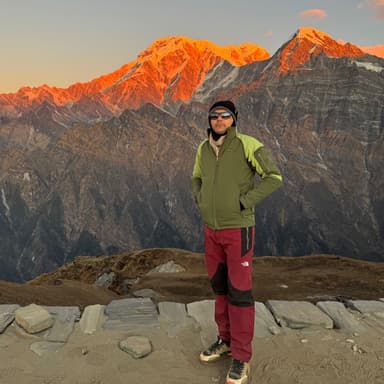
Nepal is a land where the earth reaches for the heavens, but for many travelers, that reach is often filtered through the crowded lenses of the Everest or Annapurna regions. If you are looking for something raw, something that feels like the "Old Nepal" explorers whispered about in the 1950s, you need to look toward Langtang.
The Langtang Gosaikunda Trek is a masterclass in Himalayan diversity. Within a single 15-day journey, you transition from the sub-tropical heat of the lowlands to the glacial heights of the Langtang Valley, finally crossing over to the sacred, turquoise serenity of Gosaikunda Lake. This isn't just a trek; it’s a pilgrimage through landscape and spirit.
In this guide, we’re going to break down everything you need to know about this specific 15-day itinerary—from the gear that will save your toes to the cultural nuances that will open your heart.
Why Langtang? The Valley of Resilience
Before we dive into the "how," let’s talk about the "why." Langtang was the hardest-hit region during the 2015 earthquake. The original Langtang Village was literally wiped off the map by a massive avalanche of rock and ice.
Today, trekking here is a powerful experience. The teahouses are newer, the trails are well-tended, and the hospitality is fueled by a genuine gratitude for your presence. You aren't just a tourist here; you are part of the region's economic and emotional recovery.
The Sacred Element: Gosaikunda
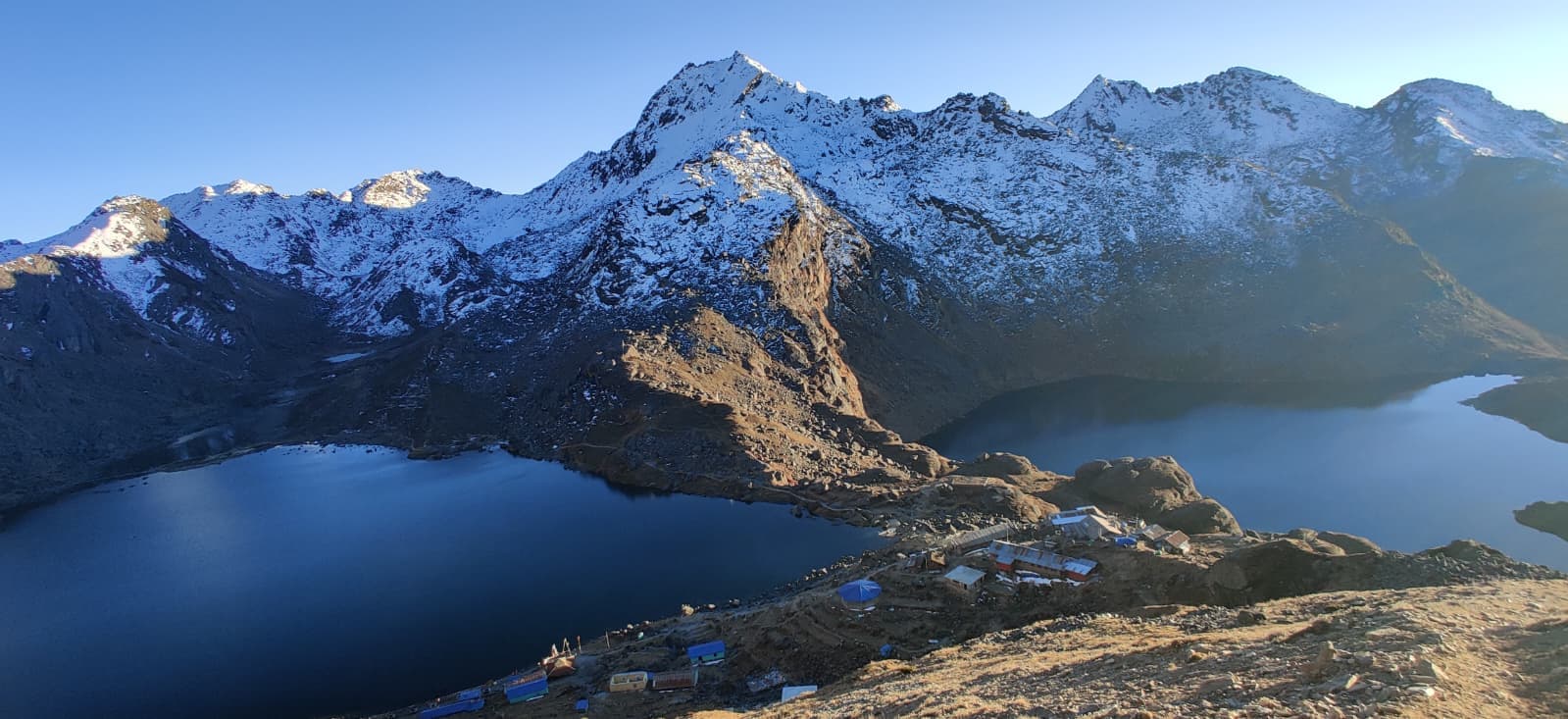
Gosaikunda isn't just a lake; it’s a site of cosmic significance. For Hindus, these waters were created by Lord Shiva himself. For Buddhists, the region is a "Beyul"—a hidden valley of refuge. When you stand on the shores of the lake at 4,380 meters, you aren't just looking at water; you’re looking at thousands of years of faith reflected in a glacial mirror.
The 15-Day Itinerary: A Day-by-Day Deep Dive
Day 01: Arrival Day in Kathmandu (1,350 m)
Your journey begins in the chaotic, colorful embrace of Kathmandu. As your plane banks over the valley, you’ll see the sprawling brick city surrounded by emerald hills.
Once you’ve navigated the visa-on-arrival line (bring crisp USD for this!), you’ll likely head to Thamel. It’s a maze of narrow streets, prayer flags, and the smell of incense and momos. Use this day to decompress.
-
Pro Tip: This is your last chance to buy high-quality (or high-quality "knock-off") gear. Check your sleeping bag rating—you’ll want something rated to at least -15°C for Gosaikunda.
Day 02: Kathmandu Sightseeing Tour
Don't rush to the mountains just yet. Kathmandu is a living museum.
-
Swayambhunath (The Monkey Temple): Climb the stairs for a 360-degree view of the city. Watch your snacks; the monkeys are professional thieves.
-
Pashupatinath: The most sacred Hindu temple in Nepal. It’s a heavy, visceral experience involving life, death, and the Bagmati River.
-
Boudhanath: The massive white dome of this Buddhist stupa is the heartbeat of the Tibetan community. Walk clockwise, spin the prayer wheels, and find a rooftop café for a quiet coffee.
Day 03: Kathmandu to Syabrubesi (1,460 m)
-
Drive Time: 7–9 hours Get ready for "The Drive." In Nepal, distance is measured in hours, not kilometers. You’ll be navigating winding mountain roads that offer heart-stopping views of the Trishuli River. Syabrubesi is the gateway. It’s a bustling town where the air finally loses the city’s dust and starts to smell like pine and cold water.
Day 04: Syabrubesi to Lama Hotel (2,470 m)
-
Trek Time: 5–6 hours This is the "Jungle Day." You’ll cross the Bhote Koshi and follow the Langtang Khola. The trail is a relentless series of ups and downs through oak and rhododendron forests. Keep your ears open for the sound of the Langtang Khola—it’s a powerful glacial river that will be your soundtrack for the next few days. If you’re lucky, you might spot a Yellow-throated Marten or a troop of Langur monkeys.
Day 05: Lama Hotel to Mundu (3,430 m)
As you climb higher, the forest begins to thin. You’ll pass through Ghora Tabela (Horse Stable), where the valley suddenly opens up. This is your first real look at the big peaks. You’ll pass the site of the old Langtang Village. There is a massive memorial wall made of stones inscribed with the names of those lost in 2015. It’s a quiet, humbling place. We stay in Mundu, a traditional settlement that escaped the worst of the avalanche, giving you a glimpse into authentic Tamang architecture.
Day 06: Mundu to Kyanjin Gompa (3,870 m)
-
Trek Time: 3 hours A shorter day to help your body adjust to the "thin" air. The trail winds past the largest mani wall in Nepal—hundreds of stones carved with Tibetan prayers. Kyanjin Gompa is the crown jewel of the valley. It’s a small settlement surrounded by amphitheaters of ice.
-
Don't Miss: The Yak Cheese Factory. It was started with Swiss help decades ago, and the cheese is legendary. It’s high-protein fuel for the days ahead.
Day 07: The High Point - Kyanjin Ri (4,775 m)
Today is about the view. While some go to Tserko Ri, Kyanjin Ri offers one of the best "effort-to-reward" ratios in the Himalayas. From the top, you are looking directly at Langtang Lirung and the sprawling Kimshung Glacier. At 4,775 meters, the air contains significantly less oxygen.
Scientific Note: At this altitude, the atmospheric pressure is roughly 55% of what it is at sea level. Your lungs have to work twice as hard to get the same amount of oxygen into your bloodstream. Drink plenty of water to help your kidneys process the change!
Day 08: Kyanjin Gompa back to Lama Hotel (2,470 m)
-
Trek Time: 6–7 hours What took two days to climb, you’ll descend in one. Your knees will feel the "Nepali Flat" today. It’s a long day of downhill, but the air gets thicker and warmer with every hour, which usually gives trekkers a second wind.
Day 09: Lama Hotel to Thulo Syabru Bensi (2,230 m)
-
Trek Time: 5 hours Instead of heading back to Syabrubesi, we take a fork in the trail. We’re heading toward the Gosaikunda side now. Thulo Syabru is a stunning village perched on a ridge. It’s famous for its traditional houses and the incredible views of the Ganesh Himal range to the west.
Day 10: Thulo Syabru Bensi to Sing Gompa (3,330 m)
The climb to Sing Gompa is steep. You’ll pass through beautiful forests of hemlock and silver fir. Sing Gompa (also known as Chandan Bari) is a serene spot with another cheese factory and a very old, beautiful monastery.
-
Acclimatization Tip: You’ve jumped up 1,100 meters today. If you feel a slight headache, it’s normal, but stay hydrated and avoid caffeine or alcohol.
Day 11: Sing Gompa to Gosaikunda Lake (4,380 m)
This is the spiritual climax of the trip. The trail climbs past Laurebina (which means "without a stick"—implying the climb is so steep you’ll need a walking stick). As you crest the ridge, the first of the sacred lakes, Saraswati Kunda, comes into view. Then Bhairav Kunda. Finally, you reach Gosaikunda. The lake is surrounded by stone shrines and, often, a thin layer of mist that makes the whole place feel otherworldly.
Day 12: Gosaikunda to Sing Gompa (3,250 m)
After a morning of soaking in the sunrise over the holy lakes, we begin our descent. The path back to Sing Gompa feels much easier now that you’ve conquered the altitude. It’s a day to reflect on the journey while the air becomes noticeably easier to breathe.
Day 13: Sing Gompa to Dhunche (2,030 m)
-
Trek Time: 6 hours A long, steady descent through the forest leads you to Dhunche, the administrative capital of the Rasuwa district. It’s a bustling town compared to the quiet mountain huts you’ve grown used to.
Day 14: Dhunche Drive Back to Kathmandu
You’ll trade your trekking boots for a seat in a jeep or bus. The 6-hour drive back to the city is a chance to watch the terraced hillsides roll by. Once in Kathmandu, that first hot shower will feel like a religious experience of its own.
Day 15: Final Departure
Your Himalayan odyssey comes to an end. Whether you’re heading home or to your next adventure, you’ll find that a piece of the Langtang Valley stays with you—usually in the form of a more resilient spirit and a camera roll full of peaks.
Technical Specs: Altitude and Science
Trekking is as much a biological challenge as a physical one. Here is some technical data to keep in mind:
The Physics of Altitude
As you move from Syabrubesi (1,460m) to Kyanjin Ri (4,775m), you are navigating a massive pressure gradient. The boiling point of water decreases as you go higher. The formula for the boiling point T in Celsius at a given altitude h in meters is roughly:
At Gosaikunda (4,380m), water boils at approximately 85∘C. This is why your tea might feel "cool" and your pasta might take forever to cook!
Temperature Fluctuations
Expect a massive "diurnal" temperature range.
-
Lama Hotel (Day): 15∘C to 20∘C
-
Gosaikunda (Night): −5∘C to −10∘C Layering isn't just a suggestion; it’s a survival strategy.
Essential Gear List
Don't let a bad blister ruin a 15-day trek. Here’s what you actually need:
👉 Discover more ideas
Planning a trek in Nepal requires a lot of moving parts. Check out our other deep-dives to round out your prep:
Cultural Etiquette: Being a Respectful Traveler
The Langtang and Gosaikunda regions are deeply sacred. To be a "good" trekker:
-
Clockwise is Key: Always walk to the left of mani walls, chortens, and stupas.
-
Ask Before Photos: Most locals are happy to have their photo taken, but always ask first—it’s about dignity, not just the "shot."
-
Leave No Trace: The "Hidden Trails" stay hidden because people don't leave trash on them. If you see litter, pick it up. Be the change!
-
The "Dal Bhat" Power: Eat local. Dal Bhat is the national dish for a reason. It’s balanced, filling, and gives you "24-hour power."
Frequently Asked Questions (FAQs)
1. How hard is the Langtang Gosaikunda Trek?
It is rated as Moderate to Strenuous. You don't need to be an athlete, but you should be comfortable walking 5–7 hours a day on uneven terrain. The altitude is the biggest challenge, not the distance.
2. Is there Wi-Fi and electricity?
Yes, but it’s spotty and usually costs a few dollars to use. As you get higher (Sing Gompa and Gosaikunda), it becomes less reliable. Bring a solar power bank if you’re a heavy phone user.
3. Can I trek this without a guide?
As of 2023, the Nepal Tourism Board requires most trekkers in National Parks to have a licensed guide. Even if you could go solo, a guide acts as a cultural bridge, a safety net, and a local expert who knows where the best views are.
4. What is the best time for this trek?
Spring (March–May) for rhododendrons and Autumn (October–November) for the clearest mountain views. Winter is beautiful but extremely cold, and the Laurebina Pass can often be blocked by snow.
5. Do I need oxygen for Gosaikunda?
Most healthy people do not need bottled oxygen for this trek. The key is acclimatization. Our 15-day itinerary includes the necessary "slow climbs" to help your body produce more red blood cells naturally.
6. What if I get sick?
If you have mild symptoms of altitude sickness, you stay put and rest. If they worsen, you descend immediately. Our guides are trained to recognize the signs and can arrange for horse or helicopter evacuation if absolutely necessary.
Final Thoughts: The Mountain is Waiting
The Langtang Gosaikunda Trek is a journey of contrasts. It’s the roar of the Langtang Khola and the absolute silence of the Gosaikunda lakes. It’s the grief of a village lost and the joy of a culture rebuilt.
When you stand at the top of Kyanjin Ri, looking out over a sea of peaks that have stood for millions of years, your own problems tend to feel very small. That is the magic of the Himalayas. It’s not just about reaching the top; it’s about who you become during the climb.
Are you ready to lace up your boots? The hidden trails are waiting, and the holy waters are calling.
You may interested: