Embarking on an adventure like the Everest Base Camp Trek (EBC) from USA: Cost, Flights & Tips requires careful planning and consideration.
This iconic trek not only offers breathtaking views of the world's highest peak but also presents unique logistics for travelers starting from the United States.
Understanding the specific aspects related to the Everest Base Camp Trek from USA: Cost, Flights & Tips is crucial for ensuring a smooth journey.
With a myriad of factors influencing overall expenses—including airfare, accommodations, and trekking permits—navigating this exhilarating experience can be challenging.
This guide will provide essential insights into budgeting for the trek, securing your flights, and practical tips to maximize the experience while ensuring safety and enjoyment.
Whether a seasoned trekker or embarking on your first adventure, being informed will pave the way for an unforgettable journey to the majestic Everest Base Camp.
Key Takeaways
- Cost Breakdown: Understanding the overall expenses, including permits, accommodations, and guide fees, is crucial for effective planning.
- Flight Arrangements: Booking flights to Kathmandu in advance can lead to significant savings and offer a wider selection of options.
- Trekking Tips: Proper preparation and training can greatly enhance the experience and help trekkers acclimatize to the altitude effectively.
- Travel Insurance: Acquiring suitable insurance that covers high-altitude trekking is essential to safeguard against potential risks.
- Cultural Respect: Engaging with local customs and traditions enriches the trek, fostering a greater appreciation for the region’s heritage.
Understanding the Everest Base Camp Trek: An Overview
The Everest Base Camp Trek is one of the world's most iconic hiking routes, attracting adventurers from across the globe.
For those traveling from the USA, planning the trek entails understanding the logistics, including costs and flights.
The journey typically spans 12 to 16 days, depending on altitude acclimatization and the chosen itinerary.
Budgeting is essential, with costs associated with flights, permits, accommodations, and guides.
Travelers should prepare for fluctuations in expenses due to seasonal demand and personal preferences.
"Navigating the logistics of the Everest Base Camp Trek requires not just a keen sense of adventure but also a meticulous approach to budgeting and planning." - Neil Hartman, Trekking Expert
To maximize the experience, consider researching local tour operators that ensure a safe and enriching adventure.
For detailed insights, including specifics on the Everest Base Camp Trek from USA: Cost, Flights & Tips, embracing the link provided will serve as a valuable resource.
Authentic experiences await those who dare to embark on the Everest Base Camp Trek.
Preparing Your Budget for the Trek Experience
Planning the budget for the Everest Base Camp Trek from USA: Cost, Flights & Tips is critical to optimizing the experience.
Trekking costs can vary greatly depending on factors such as the chosen trekking agency, duration of the trip, and additional services like guided tours.
A typical trekking package might range from $1,400 to $3,000, inclusive of permits, accommodations, and meals, but this excludes international flight expenses.
Securing flights in advance can often lead to substantial savings, enabling travelers to better manage their overall budget.
Understanding these financial aspects helps in making informed decisions and maximizing enjoyment during this iconic adventure.
Navigating Accommodations for the Everest Base Camp Trek
When planning the Everest Base Camp Trek, securing appropriate accommodations becomes crucial.
In Kathmandu, balancing luxury and budget is vital, with options ranging from high-end hotels to affordable hostels.
In the trekking zone, lodges vary significantly in comfort and pricing.
Travelers may find basic teahouses offering essential amenities, while some routes provide more upscale lodgings with better meals and hygiene.
Early reservations can optimize costs and ensure availability, especially during the peak trekking seasons.
Understanding these accommodation dynamics helps in making informed decisions, ultimately enhancing the entire trekking experience.
Why Choose the Everest Base Camp Trek?
The Everest Base Camp Trek stands out as a premier adventure, attracting trekkers from the USA seeking breathtaking views and profound cultural experiences.
The trek provides an unrivaled opportunity to witness the majestic peaks of the Himalayaswhile immersing oneself in the rich traditions of the Sherpa people.
This experience is not just about the destination but the journey itself, filled with stunning landscapes and unique encounters.
| Aspect | Details |
|---|---|
| Duration | 12-14 days from USA to EBC |
| Typical Cost | $1,200 - $3,000 |
| Best Season | April to May, September to November |
| Flight Cost | $800 - $1,500 (round trip) |
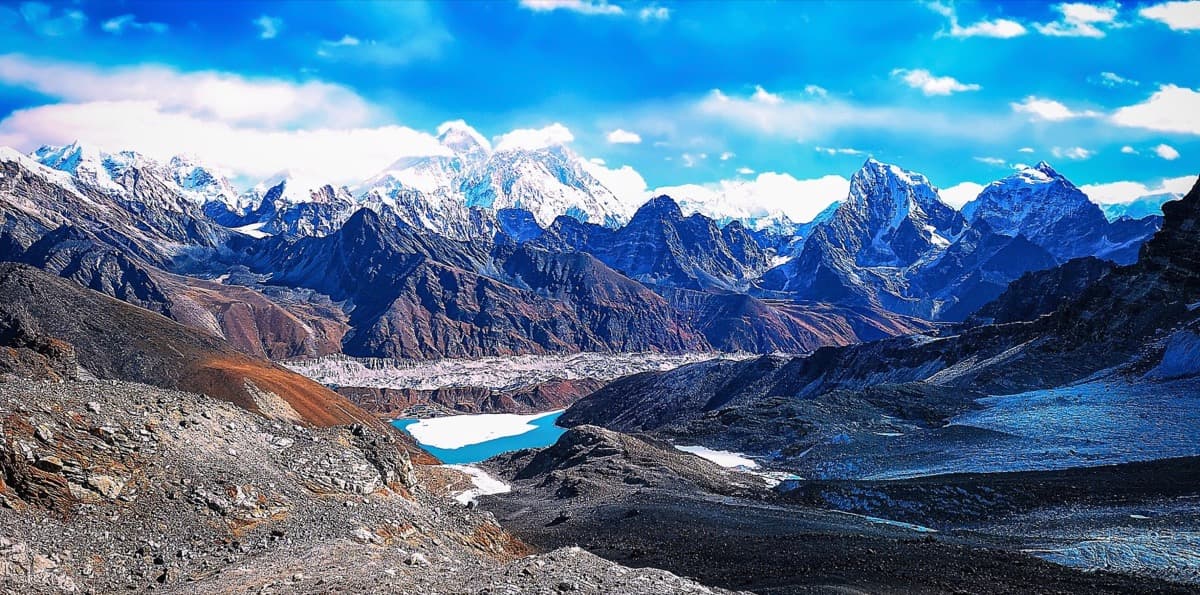
In addition to the Everest Base Camp Trek, consider the Everest Gokyo Lake Trek, which offers equally stunning landscapes and varying adventure levels.
This alternative trek allows for exploration beyond the typical route with breathtaking views of the turquoise Gokyo Lakes and unique perspectives of Everest.
By understanding the Everest Base Camp Trek from USA: Cost, Flights & Tips, trekkers can prepare adequately, ensuring every aspect of their journey is fulfilling and enriching.
Proper planning enhances the overall trekking experience, making it a memory of a lifetime.
Budgeting for the Everest Base Camp Trek from the USA
Understanding the expenses associated with the Everest Base Camp Trek is crucial for proper planning.
Travelers should consider several key components, including international flights, trekking permits, and accommodation.
Round-trip flights from the USA typically range from $800 to $1,500, depending on the season and booking strategy.
Trekking permits can cost around $50, and local accommodations vary widely, from budget-friendly lodges to more upscale hotels.
It is advisable for trekkers to also allocate funds for meals, guide services, and emergency contingencies, ensuring a seamless and enjoyable trekking experience.
Understanding Flight Options for the Everest Trek
When planning the Everest Base Camp Trek, securing the right flights is crucial.
Many trekkers can find competitive rates to Kathmandu, which is the gateway to the trek.
Major airlines offer flights from various US cities, with typical travel times ranging from 16 to 24 hours, depending on layovers and routes.
Once in Kathmandu, it's necessary to book a domestic flight to Lukla, often regarded as the most thrilling airport in the world.
Understanding these options helps optimize travel expenses while ensuring a timely arrival, which is essential for acclimatization and successful trekking.
Cost Breakdown: Budgeting for the Trek from the USA
Budgeting for the EBC from USA: Cost, Flights & Tips involves evaluating various expenses.
The overall cost typically ranges from $1,500 to $5,000, depending on the trek duration, guided services, and accommodation choices.
Essential expenses include round-trip flights, which can vary significantly based on the season and booking time, and trekking permits that cost about $40.
Accommodations in Nepal can be affordable; however, upgrading for comfort may incur extra costs. Additionally, consider meal expenses in the trekking region and local transportation.
A well-planned budget may include:
- Flight tickets
- Trekking permits
- Guide and porter fees
- Accommodation costs
- Meal budget
- Travel insurance
- Emergency funds
For those interested in alternative routes, the Gokyo Lake Renjo La Pass Trek offers breathtaking views and unique experiences, often at a similar cost.
Budget wisely and enjoy an unforgettable journey to Everest Base Camp.
Factors Influencing Everest Base Camp Trek Expenses
The costs associated with the EBC are influenced by various factors, including travel season and itinerary.
Peak seasons like spring and autumn typically result in higher prices due to increased demand for permits and accommodations.
Furthermore, the choice between guided treks and independent travel significantly affects overall expense levels.
Guided tours often include essential services, such as experienced guides and local insights, which can enhance the trekking experience.
Budgeting for additional expenses like gear rentals, tips, and flights is also crucial for a well-rounded financial plan.
Understanding Costs for the Everest Base Camp Trek from the USA
When planning the EBC, it is crucial to consider all potential expenses to ensure a well-prepared budget.
The trek typically incurs costs such as flights, accommodation, permits, and guide services.
Flights to Kathmandu from major US cities can range from $700 to over $1,500, depending on the season and advance bookings.
Once in Nepal, the trekking permits and hiring a local guide or porter can add approximately $200 to $500.
Additionally, travelers should account for meals and other miscellaneous expenses, which can add up quickly in the remote areas surrounding the trek.
Planning Your Flights: Best Routes and Tips
When embarking on the Everest Base Camp Trek, selecting the right flights is essential for a smooth journey.
Most travelers will fly into Kathmandu, Nepal, as it serves as the main hub for treks in the region.
Major airlines like United and Qatar Airways offer competitive routes with one or two stops, typically through cities like Doha or Istanbul.
To optimize travel time and reduce costs, consider booking flights several months in advance.
Be mindful of layover durations; too short may lead to missed connections, while too long can unnecessarily extend the trip.
Once in Kathmandu, most trekkers take a domestic flight to Lukla, the starting point for the trek.
Regularly check the flight schedule, as weather conditions can impact operations.
Engaging a local trekking agency can facilitate both domestic flight arrangements and further guidance through this initial leg of the journey.
Understanding the Costs of the Everest Base Camp Trek
When planning the Everest Base Camp Trek, it is essential to consider both direct costs and hidden expenses.
Airfare represents a significant portion of the budget, often ranging from $800 to $1,500, depending on seasonality and booking time.
Additionally, local expenses such as permits, accommodation, and meals accumulate.
Trekkers should budget around $30 to $50 daily for food and lodging in the teahouses along the route.
Furthermore, hiring a guide or porter can enhance the experience but will require an extra $200 to $500.
Understanding these factors aids in properly evaluating the total investment needed for this remarkable journey.
Essential Packing Tips for the Everest Base Camp Trek
When planning the EBC, attention to packing is critical.
Essential gear includes a reliable backpack, warm layers, and sturdy trekking boots, as temperatures can plummet at high altitudes.
Additionally, investing in quality moisture-wicking clothing will enhance comfort during long hikes.
Don't overlook practical items such as a reliable water filter and a first-aid kit, both vital for health and safety in remote regions.
Finally, lightweight trekking poles can significantly ease the strain on knees during descent, proving invaluable on challenging trails.

Preparing for the Trek: Essential Gear and Fitness
A successful Everest Base Camp Trek from USA: Cost, Flights & Tips involves meticulous preparation, particularly in terms of gear and fitness.
Proper gear ensures safety and comfort, with essentials including a warm sleeping bag, waterproof jacket, and sturdy hiking boots.
Those planning to trek should invest in quality clothing that offers insulation and breathability, allowing for adaptability to fluctuating temperatures. In terms of fitness, building stamina is crucial.
Engaging in cardiovascular activities such as running or cycling can significantly improve endurance.
Additionally, incorporating strength training, focusing on the core and legs, will enable better handling of steep terrain.
Aim for regular hikes with a weighted backpack to simulate trekking conditions.
Preparing meticulously in these aspects will enhance the trekking experience, ensuring readiness for the challenges that the Everest Base Camp presents.
Essential Gear for the Everest Base Camp Trek
Acquiring the right gear is vital for a successful Everest Base Camp Trek.
Proper equipment includes durable footwear, such as well-fitted trekking boots to handle varied terrain.
Weather can be unpredictable, necessitating layers of clothing, including moisture-wicking base layers and insulated jackets.
Essential accessories like trekking poles and a quality sleeping bag also contribute significantly to comfort.
Investing in these items can mitigate risks associated with altitude sickness and harsh weather conditions.
Additionally, travelers must consider weight limits enforced by local carriers, influencing which gear can be brought to ensure an enjoyable trek.
Understanding Travel Insurance for the Everest Trek
When planning the Everest Base Camp Trek, investing in comprehensive travel insurance is essential.
This coverage should include evacuation services, as emergencies can arise in remote regions.
Policies that specifically cater to trekking activities are advisable, as standard travel insurance might not provide adequate protection for high-altitude adventures. Additionally, check the policy limits for medical expenses, as high-altitude illnesses can be costly to treat.
Ensure that any coverage includes trip cancellation or interruption benefits, allowing for financial protection should unforeseen circumstances arise.
Prioritizing travel insurance is crucial for a safe and financially secure adventure.
Navigating Accommodations and Local Cuisine
When planning the EBC, understanding accommodation options and local cuisine is crucial for a smooth experience.
In the Khumbu region, trekkers typically stay in bais or tea houses, which provide a simple yet comfortable environment.
These establishments often serve local dishes, allowing trekkers to experience authentic Nepali culture.
The cuisine mainly consists of dal bhat (rice and lentil soup), vegetable curries, and momos (dumplings).
It's advisable to sample these local foods as they not only sustain energy but also connect trekkers with the local lifestyle.
Given the varying levels of amenities in different lodges, it's recommended to book accommodations in advance during peak trekking seasons.
This strategic planning ensures comfort and a cultural immersion, making the trek to Everest Base Camp both fulfilling and enjoyable.

Understanding Costs for Accommodation and Food
When planning the EBC, it is crucial to account for accommodation and food expenses in Nepal.
Accommodations vary greatly, with tea houses offering budget options at around $5 to $10 per night.
For a more comfortable stay, visitors can opt for mid-range lodges at approximately $20 to $40.
In terms of food, expect to spend around $5 per meal at teahouses, where traditional Nepali cuisine is served.
Keeping an estimated daily budget of $30 to $60 for food and lodging will provide a comfortable experience, ensuring trekkers remain within financial limits while enjoying their journey.
Considering Travel Insurance for Your Everest Base Camp Trek
When planning an Everest Base Camp Trek from USA: Cost, Flights & Tips, securing appropriate travel insurance is essential.
This coverage should include provisions for both medical emergencies and potential flight cancellations.
For instance, trekkers might experience altitude sickness, which could necessitate an evacuation.
Policies that cover >b>trekking related activities, such as emergency rescue and hospital visits, are crucial.
Additionally, some insurance plans may also offer trip interruption benefits, safeguarding against unforeseen changes.
Ultimately, investing in comprehensive travel insurance not only provides peace of mind but also ensures that unexpected situations do not derail the trekking experience.
Top Tips for a Successful Everest Base Camp Adventure
Preparation is key for a successful Everest Base Camp Trek.
Travelers should focus on building strength and stamina well in advance.
Regular hiking, strength training, and cardiovascular exercises will enhance physical endurance and help tackle the challenging terrain.
Additionally, acclimatization is crucial, so taking the time to ascend slowly and listen to the body can significantly reduce the risk of altitude sickness.
Investing in high-quality gear is another vital aspect.
Essential items include lightweight, breathable clothing, sturdy boots, and a reliable sleeping bag that can withstand low temperatures.
Furthermore, documenting the journey with a personal journal or photography can create lasting memories.
Finally, engaging with local guides can enrich the experience, providing insight into the culture and environment that shapes this breathtaking adventure.
Essential Packing Tips for the Everest Base Camp Trek
Preparing for the Everest Base Camp Trek requires careful attention to gear and clothing.
Proper layering is crucial, as temperatures can vary greatly.
Invest in a high-quality insulated jacket and moisture-wicking base layers to stay comfortable.
Trekking poles can provide essential support on uneven terrain, reducing the risk of injury.
Additionally, a durable pair of hiking boots, preferably waterproof, is indispensable for navigating rocky and often muddy paths.
Don’t forget to pack a reliable sleeping bag suitable for low temperatures, as many trekkers spend nights in teahouses at high altitudes.
Essential Considerations for Budgeting Your Trek
When planning the Everest Base Camp Trek, budgeting emerges as a crucial aspect.
Trekking expenditure varies significantly depending on several factors such as duration, guide fees, and accommodation choices.
For instance, opting for a luxury trekking package may cost upwards of $3,000, while a more budget-friendly approach can range from $1,200 to $2,500.
Additionally, travelers should account for international flights, which can fluctuate based on the season and booking time.
To mitigate costs, booking flights early or considering less popular times for trekking can yield significant savings while delivering an unforgettable adventure.
Conclusion
Embarking on the Everest Base Camp Trek is not just a journey into the heart of the Himalayas; it’s an opportunity to push boundaries, embrace adventure, and create memories that will last a lifetime.
As illustrated throughout this guide, understanding the costs associated with such a trek—from flights and accommodations to gear and permits— allows for effective budgeting and planning.
Preparation is key: thorough research on flight options from the USA to Nepal, coupled with a strategic approach to choosing your itinerary and trekking season, can significantly enhance your experience.
Remember to factor in the costs of local guides and porters, as their support can be invaluable.
In conclusion, whether you are an experienced trekker or venturing into the realm of high-altitude trekking for the first time, ensuring you are well-prepared and informed empowers you to make the most of this breathtaking experience.
Take the time to outline your goals, set your budget, and prepare mentally and physically for the challenge ahead.
Are you ready to take the first step on this transformative journey?
Start planning today, and let the adventure of a lifetime await you at Everest Base Camp!
Common Questions and Answers
What is the average cost of the Everest Base Camp Trek from the USA?
The cost of the Everest Base Camp Trek typically ranges from $1,200 to $3,000 per person, depending on various factors.
This includes airfare, permits, guide services, accommodation, and food.
Budget travelers can opt for basic package deals, while more luxurious options are available.
It's essential to compare different trekking companies to find the right fit for your needs and budget.
How should I book flights to reach the trek start point?
Booking flights to Nepal typically involves flying into Tribhuvan International Airport in Kathmandu.
From there, you can take a domestic flight to Lukla, the starting point of the trek.
It's advisable to book your international flights early and consider travel insurance.
Local flights may require flexibility, as weather conditions can affect schedules, so keep this in mind during your planning.
What essential tips should I follow for a successful trek?
Preparation is key for a successful Everest Base Camp Trek.
Start training at least a few months prior to build your endurance and strength.
Packing the right gear, including layers for varying temperatures and quality hiking boots, is crucial.
Additionally, staying hydrated and acclimatizing properly to the altitude can help prevent altitude sickness.
Follow your guide's advice for a safer experience.
How long does the trek typically take?
Most itineraries for the Everest Base Camp Trek last around 12 to 15 days, including acclimatization days.
The actual trekking duration is about 8 to 10 days, with daily hikes ranging from 4 to 8 hours.
Altitude and individual fitness levels contribute to the overall length of the trek, so it's advisable to allow extra time for rest and exploration to fully enjoy the experience.
What are the best months to trek to Everest Base Camp?
The prime trekking seasons are from late September to November and from March to May.
These months offer the best weather conditions, with clear skies and mild temperatures.
Avoiding the monsoon season is crucial, as it can lead to hazardous trails and disrupted flights.
Proper timing ensures a safer and more enjoyable trekking experience amid stunning mountain views.