The Best Time to Visit Nepal for Trekking, Culture & Wildlife is a question that inspires many adventurers and culture enthusiasts alike.
Nestled in the heart of the Himalayas, Nepal offers an unparalleled blend of breathtaking landscapes, rich traditions, and diverse wildlife.
Each season presents unique opportunities to explore this enchanting country, from the dramatic snow-capped peaks ideal for trekking to vibrant festivals that showcase Nepal's rich cultural tapestry.
Understanding the Best Time to Visit Nepal for Trekking, Culture & Wildlife ensures an experience filled with unforgettable moments, whether traversing the renowned trails of the Annapurna Circuit, immersing in the ancient rituals of Kathmandu, or adventuring into the lush jungles of Chitwan National Park.
This guide aims to unveil the optimal times to embark on these enriching experiences.
Understanding Nepal's Climate and Seasons
Nepal's diverse climate and seasons significantly influence the experience of trekking, culture, and wildlife, making it essential to understand when to visit for optimal enjoyment.
Generally, the best time to visit Nepal for trekking, culture & wildlife falls within the autumn (September to November) and spring (March to May) months.
During these periods, the weather is typically mild, providing clear skies and comfortable temperatures ideal for outdoor activities.
Autumn is particularly lauded for its spectacular views of the majestic Himalayas, with vibrant foliage adding a touch of color to the trekking trails.
In contrast, spring offers the enchanting sight of blooming rhododendrons, attracting trekkers and nature enthusiasts alike.
Both seasons also coincide with numerous cultural festivals that enrich the overall experience, allowing visitors to immerse themselves in local traditions. For those keen on exploring the trails, various options are available through Nepal Trekking Packages, catering to different levels of experience and preferences.
While summer (June to August) can bring monsoon rains and winter (December to February) often results in harsh conditions and snowfall, understanding these seasonal shifts empowers travelers to plan their visits strategically, ensuring a rewarding experience in this enchanting region.
Overview of Nepal's Trekking Regions
Understanding the different trekking regions in Nepal is crucial for anyone planning an adventure in this majestic country.
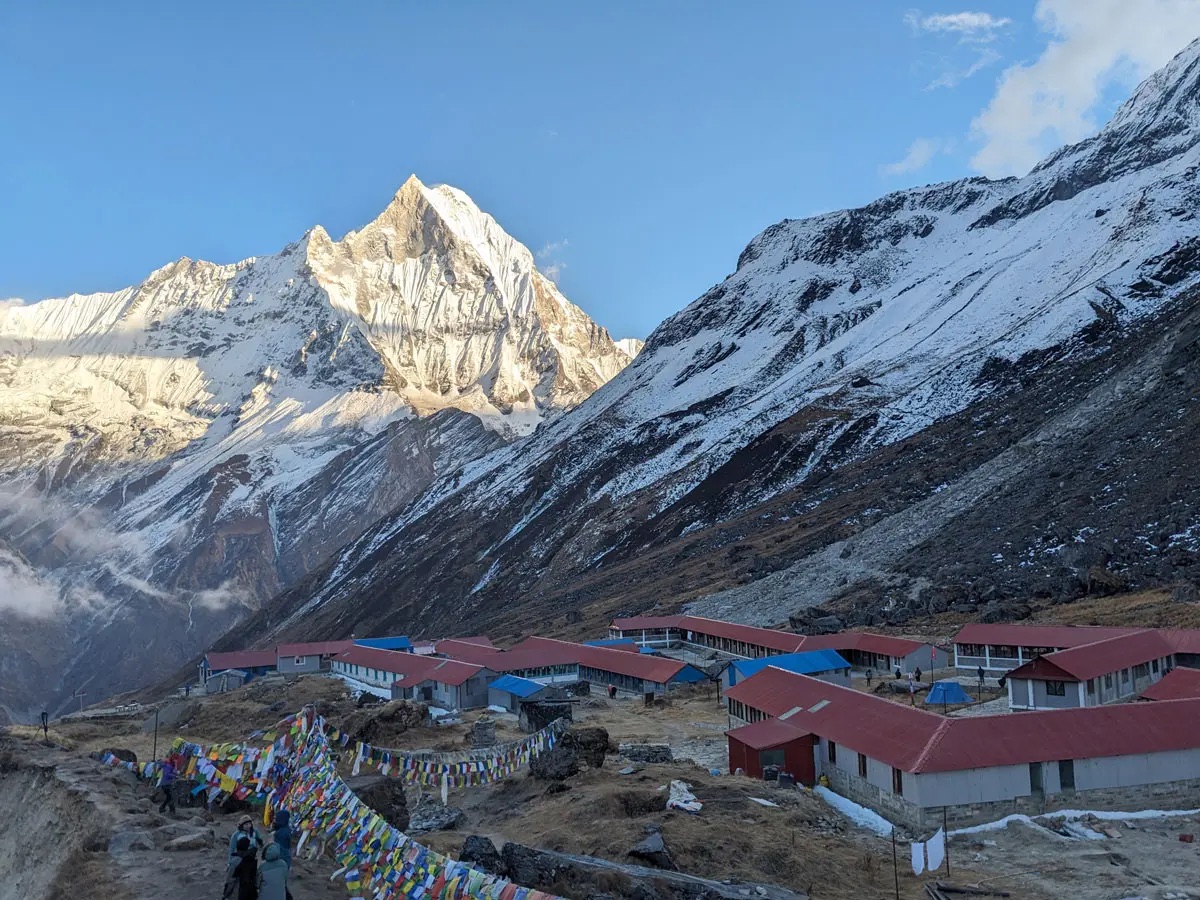
The most renowned trekking areas include the Annapurna region, Langtang Valley, and the Everest region, each offering unique landscapes and cultural experiences.
The Annapurna Circuit is famous for its diverse terrain, ranging from lush subtropical forests to high-altitude deserts.
Meanwhile, Langtang Valley is known for its accessible yet breathtaking routes that allow trekkers to experience a blend of Tibetan culture and stunning mountain views.
The Everest region, home to the world's highest peak, attracts those in search of epic challenges and awe-inspiring panoramas. When considering the best time to visit Nepal for trekking, culture & wildlife, it's essential to align travel plans with the distinct seasonal variations across these regions.
The spring months (March to May) and autumn (September to November) typically provide the best weather conditions, ensuring clear views and moderate temperatures.
Additionally, travelers interested in guided experiences can look into Nepal Tour Packages that encompass not just trekking but also cultural immersion and wildlife exploration.
This comprehensive approach allows for a richer experience, ensuring each moment spent in Nepal leaves lasting memories.
Cultural Highlights Throughout the Year
Nepal's rich tapestry of culture and festivals makes it a vibrant destination throughout the year.
The Best Time to Visit Nepal for Trekking, Culture & Wildlife aligns beautifully with various cultural events that offer deep insights into the local way of life.
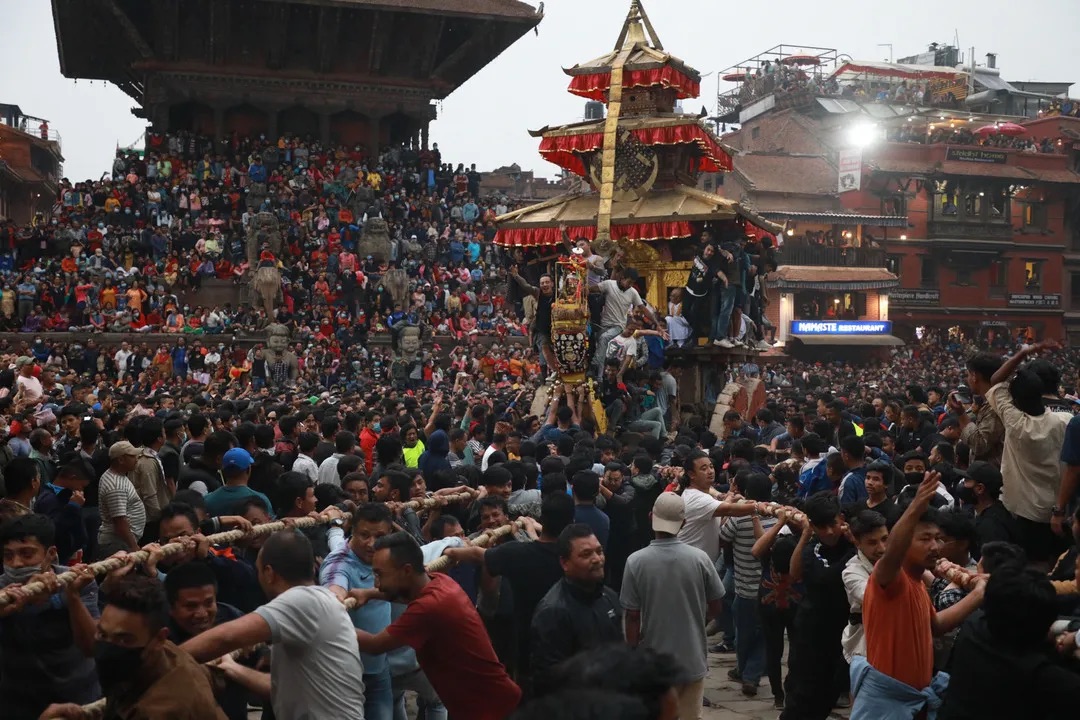
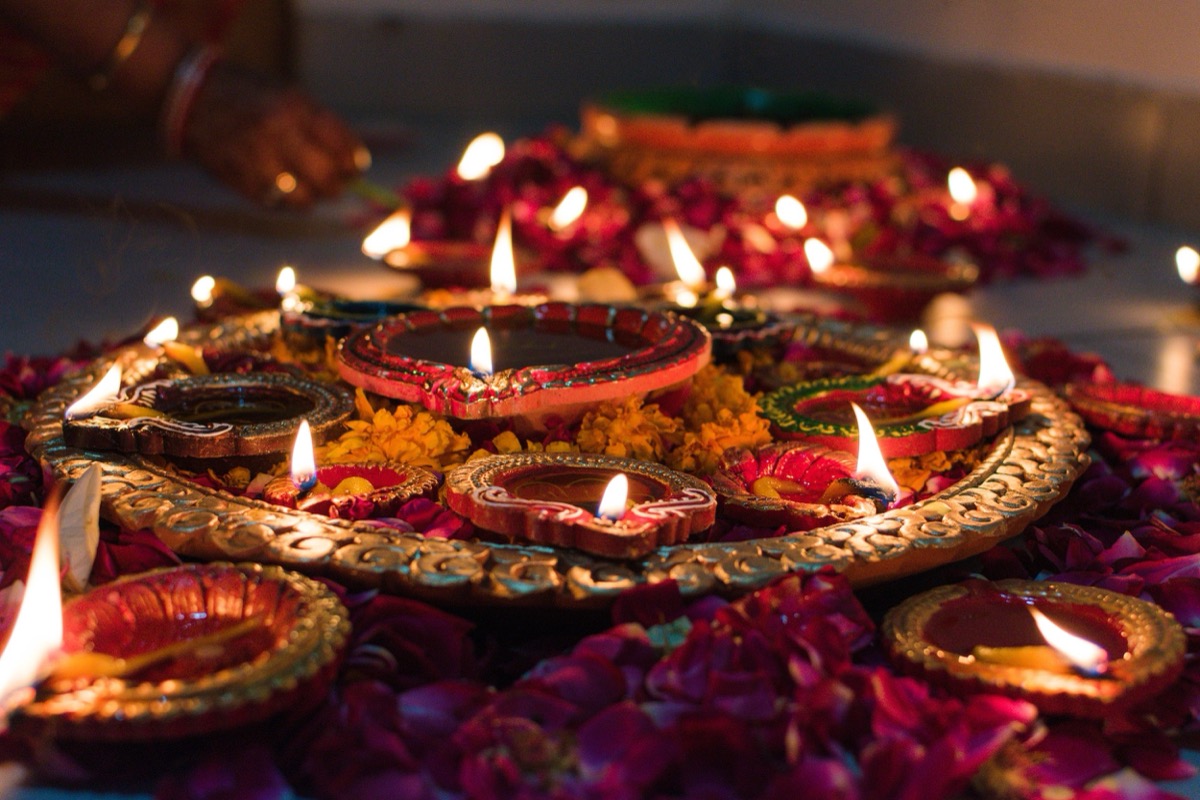
Major festivals such as Dashain and Tihar draw large crowds and showcase Nepal's traditions through music, dance, and intricate rituals.
Dashain, usually celebrated in late September or early October, is one of the most significant festivals, symbolizing the victory of good over evil, and often involves familial gatherings, feasting, and celebratory activities. For those keen on exploring cultural facets, visiting during the spring (March to May) or autumn (September to November) offers a dual advantage.
Not only are the weather conditions ideal for trekking, but the opportunity to participate in local festivities enhances the cultural experience.
The Holi festival, known for its joyous celebration of color, typically falls in March, creating an unforgettable atmosphere. In addition to festivals, there are numerous Adventure Activities in Nepal that blend culture and exploration, such as visiting ancient temples and participating in local workshops.
Engaging with the community during such activities can deeply enrich the travel experience, making it both memorable and educational.
Planning visits around these cultural highlights ensures a deeper connection with the country's heritage.
Wildlife Watching Opportunities by Season
Nepal is a rich tapestry of biodiversity, offering an array of wildlife watching opportunities throughout the year.
Understanding the seasonal variations is crucial for optimizing experiences, particularly for those passionate about observing flora and fauna in their natural habitat.
The ideal time to explore Nepal's wildlife is during the dry seasons, which typically run from October to March.
During this period, animals congregate around water sources, making sightings more frequent and easier.
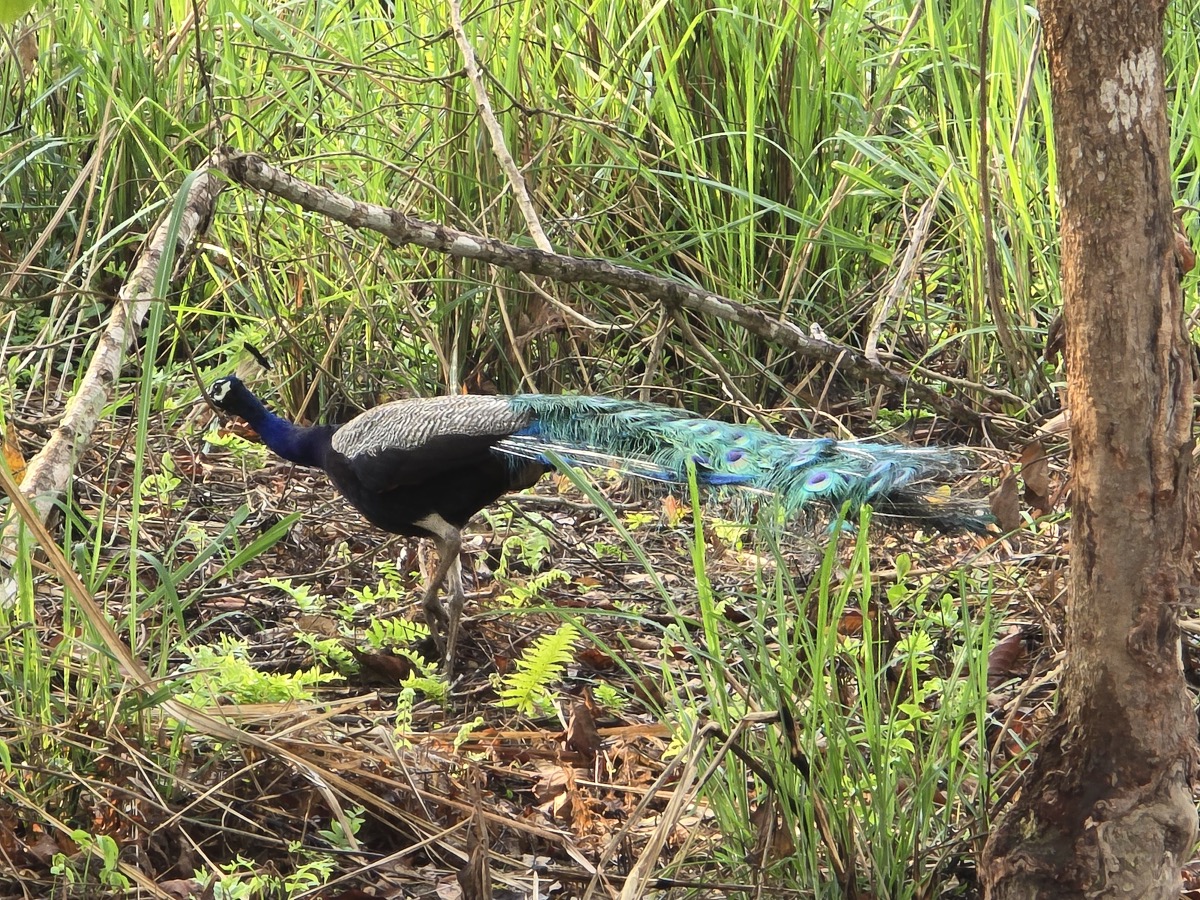
Popular national parks like Chitwan and Bardia become hotspots for tracking elusive species such as tigers, rhinos, and leopards.
The crisp weather and clear skies also enhance visibility, allowing for optimal photography opportunities. As spring arrives in March and April, migratory birds flock to Nepal, creating an incredible spectacle for birdwatchers.
This transition season allows for a combination of wildlife activities, from seeing large mammals to enjoying vibrant bird migrations.
Conversely, the rainy season from June to September can pose challenges for wildlife viewing, as animals often retreat to dense foliage, and the muddy trails can complicate travel plans. For those keen on the Best Time to Visit Nepal for Trekking, Culture & Wildlife, aligning visits with these seasonal trends can significantly enhance the overall experience, ensuring that wildlife enthusiast's encounters are both memorable and rewarding.
Best Times for Popular Trekking Trails
When considering the Best Time to Visit Nepal for Trekking, Culture & Wildlife, it is essential to be aware of the different trekking trails and their respective peak seasons.
Each trek offers unique experiences that are driven by seasonal variations in climate, visibility, and accessibility.
For instance, the Annapurna Circuit is most enjoyable during the spring (March to May) and autumn (September to November).
During these periods, temperatures are mild, and the skies are clearer, providing breathtaking views of the Annapurna range.
The Ghorepani Poon Hill trek also benefits from these seasons, allowing trekkers to witness the stunning sunrise views over the Himalayas. The Everest Base Camp trek follows similar timing, with spring and autumn being the prime seasons.
During these months, trekkers can fully appreciate the vibrant rhododendron forests in spring or the golden hues of autumn foliage.
However, for wildlife enthusiasts, the Chitwan National Park offers the opportunity to spot the Bengal tiger and one-horned rhinoceros, with the best months being October to March, when animals are more active and visible. Understanding the weather patterns and optimal trekking periods for each trail can greatly enhance the overall experience, ensuring that adventurers enjoy the stunning vistas and rich cultural encounters that Nepal has to offer.
Local Festivals and Cultural Events to Experience
Timing a visit to Nepal not only involves choosing the right season for natural adventures but also seeking out the vibrant tapestry of local festivals and cultural events that populate the calendar throughout the year.
These occasions provide a glimpse into the rich traditions and diverse ethnic backgrounds that make Nepal a unique destination.
For those interested in experiencing the best cultural offerings, the Best Time to Visit Nepal for Trekking, Culture & Wildlife often coincides with major festivals such as Dashain and Tihar, which occur in the months of September and October.
Dashain, the biggest Hindu festival in Nepal, celebrates victory over evil and includes family gatherings, rituals, and elaborate feasts.
Observing the vibrant processions and traditional feasts offers insight into the local lifestyle and values. Another noteworthy event is the Indra Jatra in Kathmandu, held in September, which features traditional dances, music, and the famous Kumari Jatra, where the living goddess, or 'Kumari', makes her public appearance.
These events, along with the various village festivals that pop up around the country, provide not only a festive atmosphere but also opportunities to engage with locals and appreciate their customs.
Therefore, planning a trip during these times allows travelers to immerse themselves thoroughly in Nepal's rich cultural heritage, enhancing the overall experience of the journey.
Impact of Weather on Trekking Safety
Weather conditions in Nepal play a crucial role in determining trekking safety, heavily influencing both the experience and the risks involved.
During the peak trekking seasons from March to May and September to November, trekkers benefit from relatively stable weather, clear skies, and moderate temperatures.
These conditions are ideal for navigating the rugged terrain, minimizing the dangers associated with sudden weather changes. However, the onset of the monsoon season from June to August can bring heavy rainfall, leading to slippery trails, landslides, and reduced visibility.
Trekkers venturing out during this period face increased risks and should be adequately prepared.
It is advisable to consult local weather forecasts and stay informed about trail conditions.
Additionally, trekking with a knowledgeable guide can enhance safety by providing real-time updates on weather changes. In the winter months, particularly from December to February, temperatures can plummet, especially at higher altitudes.
While trekking during this time offers stunning views and solitude, caution is needed due to the potential for snow and ice along trails.
Ultimately, understanding the impact of weather on trekking safety is essential for planning the Best Time to Visit Nepal for Trekking, Culture & Wildlife.
Proper preparation, choosing suitable seasons, and being adaptable can lead to a rewarding trekking experience in Nepal's breathtaking landscapes.
Planning Wildlife Safaris: When to Go
When considering the best time to visit Nepal for trekking, culture & wildlife, it is essential to focus on specific seasons that enhance the safari experience.
The ideal months for wildlife safaris in Nepal are typically from October to March, coinciding with the cooler, drier season.
During this period, the visibility of wildlife is significantly improved as animals are more active and congregate around water sources.
In Chitwan National Park, for instance, October marks the beginning of the tourist season, offering a chance to encounter Bengal tigers, one-horned rhinoceroses, and various bird species.
Additionally, December through February offers cooler temperatures, which often lead to clearer skies and comfortable viewing conditions.
However, it is vital to be aware that while wildlife can still be observed during these months, the early mornings and late evenings tend to be the best times for sightings. Conversely, visiting during the monsoon season, which lasts from June to September, can impede wildlife viewing due to dense foliage and heavy rainfall.
Nonetheless, it presents a unique opportunity for those interested in seeing the vibrant, lush landscapes and fewer tourists.
Overall, for a comprehensive wildlife experience, the October to March window is recommended, ensuring that the best time to visit Nepal for trekking, culture & wildlife aligns with optimal safari conditions.
Seasonal Considerations for Cultural Visits
When planning a journey to explore the rich cultural tapestry of Nepal, understanding seasonal considerations is vital.
The best time to visit Nepal for trekking, culture & wildlife varies significantly between regions and local festivals.
The peak cultural season typically aligns with the autumn months of September to November and the spring months of March to May.
During these periods, the weather is generally mild and dry, making it easier to engage in cultural activities and visit historical sites without the hindrance of monsoon rains. Festivals play a crucial role in showcasing Nepal's vibrant traditions.
For instance, the Dashain festival, usually celebrated in October, offers an outstanding opportunity to witness local customs and family gatherings, marking the triumph of good over evil.
Similarly, Holi in March brings colorful celebrations to the streets, allowing visitors to immerse themselves in the local culture. However, while these seasons provide optimal conditions for sightseeing, they are also peak tourist times, which can result in crowded sites.
Therefore, it is advisable to plan cultural visits during weekdays and to book accommodations in advance.
By carefully considering the time of year and local events, visitors can gain a deeper understanding of Nepal's multifaceted culture and heritage, ensuring a rewarding experience.
Tips for Choosing the Right Time for Your Adventure
Selecting the perfect time for an adventure in Nepal can significantly enhance the experience, especially when considering trekking, cultural exploration, and wildlife encounters.
The Best Time to Visit Nepal for Trekking, Culture & Wildlife typically aligns with the spring (March to May) and autumn (September to November) seasons, when the climate is mild, offering optimal conditions for outdoor activities.
During these periods, the skies are generally clear, which maximizes visibility of the stunning Himalayan vistas, and the trails are less crowded compared to peak tourism months. When planning a trek, assess personal preferences for weather, as spring showcases vibrant rhododendron blooms, while autumn presents stunning fall foliage, each offering a unique backdrop.
Additionally, consider cultural festivals that may enhance the journey, such as Dashain and Tihar, which occur in the autumn, providing a deeper understanding of Nepalese traditions and practices. For wildlife enthusiasts aiming to observe animals in their natural habitats, the dry months from late September to November are ideal, as animals are more likely to be active and visible during this time.
Always check local forecasts and plan activities accordingly, as weather variations can impact accessibility and visibility.
Ultimately, aligning personal interests with this seasonal knowledge allows for a truly enriching Nepali adventure.