Unforgettable 9-Day Nepal Golden Triangle Family Package
Planning a vacation that delights curious adults and keeps energetic kids engaged can feel overwhelming. A nine-day itinerary solves that: it pairs cultural discovery with plenty of downtime so everyone enjoys the trip. With a Nepal Golden Triangle family package, you get balanced days in Kathmandu, Bandipur, Pokhara, and Chitwan—city temples, hilltop charm, lakeside fun, and jungle wildlife all in one seamless route.
Designed to save time and reduce stress, this package handles the details—so you don’t have to. Expect thoughtfully timed transfers, family-friendly hotels, and guided activities that let parents relax and focus on making memories.

Along the way, your group will dive into local traditions, meet knowledgeable guides, and have time to rest between excursions. The result is a thoughtfully balanced tour that keeps children engaged while offering authentic cultural moments for the whole family.
Key Takeaways
- Enjoy a perfectly paced nine-day tour that touches Nepal’s most family-friendly highlights.
- Rely on stress-free logistics—private transfers and family-conscious accommodation choices.
- Mix educational sightseeing with relaxed downtime by the lake and in peaceful hill towns.
- Learn about local culture through guided experiences led by experienced tour guides.
- Create lasting memories on a route designed to minimize travel fatigue for everyone.
Ready to discuss family-friendly departures or ask about child amenities? Contact us to tailor this tour to your needs.
Why the Nepal Golden Triangle family package is the Ultimate Family Escape
Taking a family trip abroad doesn’t have to be stressful. The right package turns planning into a pleasure by handling logistics, pacing each day, and suggesting kid-friendly activities so you can enjoy the tour instead of managing it. A Nepal Golden Triangle family package gives you a smart mix of city culture, hilltop charm, lakeside relaxation, and jungle adventure—perfect for parents and children alike.
Balancing Adventure and Comfort for Families
You shouldn’t have to choose between adventure and comfort. This family package balances lively local experiences with restful evenings in comfortable hotels. Most recommended properties in this itinerary offer modern conveniences—reliable hot water and Wi‑Fi in main towns—but check specific hotel listings when you book.
"Travel is the only thing you buy that makes you richer, especially when shared with those you love."
Practical comforts make the days easier: short transfer times, family rooms or interconnecting rooms where available, and choices for quieter accommodations after an active day. If you need extras—like a cot or babysitting service—ask when you enquire about the tour so the operator can confirm availability.
The Strategic Value of the Golden Triangle Route
The golden triangle of Kathmandu, Pokhara and Chitwan (with a scenic stop in Bandipur in this package) is popular because it reduces long, tiring transfers while still delivering diverse experiences. By linking a cultural capital, a mountain-lakeside city, and a wildlife-rich lowland, the route keeps travel time efficient and activity varied—ideal for shorter attention spans.
Approximate driving times (subject to traffic and road conditions): Kathmandu → Bandipur ~ 3–4 hours; Bandipur → Pokhara ~ 1.5–2.5 hours; Pokhara → Chitwan ~ 4–5 hours. These are rough guides—confirm exact timings with your tour operator when you book.
Quick 9-Day Micro-Itinerary (At a Glance)
- Day 1: Arrival in Kathmandu, private transfer to hotel and light city orientation.
- Day 2: Kathmandu cultural tour (Durbar Square, family-friendly temple visits).
- Day 3: Drive to Bandipur — hillwalks and village exploration.
- Day 4–5: Pokhara: lakeside relaxation, boat ride on Phewa Lake, short excursions.
- Day 6: Sunrise at Sarangkot, then transfer toward Terai lowlands.
- Day 7: Chitwan National Park — guided jungle activities (safaris, nature walks).
- Day 8: Return drive to Kathmandu with scenic stops.
- Day 9: Free time in Thamel for souvenir shopping and departure transfer.
Sample kid-friendly activities included or easily added: short guided temple walks with storytelling in Kathmandu, a calm boat ride on Phewa Lake, and a supervised jeep or jeep-alternative family safari in Chitwan with a naturalist guide.
This tour is designed as a family-friendly tour: the golden triangle route minimizes long, consecutive travel days and includes varied experiences so children remain engaged without being overwhelmed. Want to upgrade rooms or add babysitting services? Ask about family upgrades when you request the itinerary—operators can usually accommodate special requests for an additional fee.
Arrival and Cultural Immersion in Kathmandu
Stepping into Kathmandu feels like arriving where ancient streets meet vibrant modern life. On day one, focus on a calm, easy arrival so your family can settle in and recover from the flight. A relaxed first afternoon sets the tone for the rest of the itinerary.
Managing excitement and fatigue is key. Pre-booked private transfers are a simple way to skip crowded public transport and get straight to your hotel, where quiet time and a short nap help everyone adjust.
Navigating Tribhuvan International Airport with Ease
Tribhuvan International Airport is Nepal’s main international airport and can be busy during peak arrival times. Have travel documents, passports, and any visa paperwork together in one folder before you land. Typical immigration and baggage times vary—plan on 30–60 minutes depending on the number of incoming flights.
Pre-booked private transfers cut waiting and stress: your driver meets you at arrivals, helps with luggage, and drives you to the hotel. If you need a child seat or prefer a larger vehicle, request it when you confirm the transfer so the operator can arrange the appropriate vehicle.
Arrival checklist
- Passports, visas/e-visa printouts, and photocopies easily accessible
- Local currency (small bills) and an international card for larger payments
- SIM/eSIM or a plan for mobile data (many parents buy a local SIM at the airport)
- Basic medicines, snacks, and a small comfort toy for younger children
Exploring the Living Heritage of Durbar Square
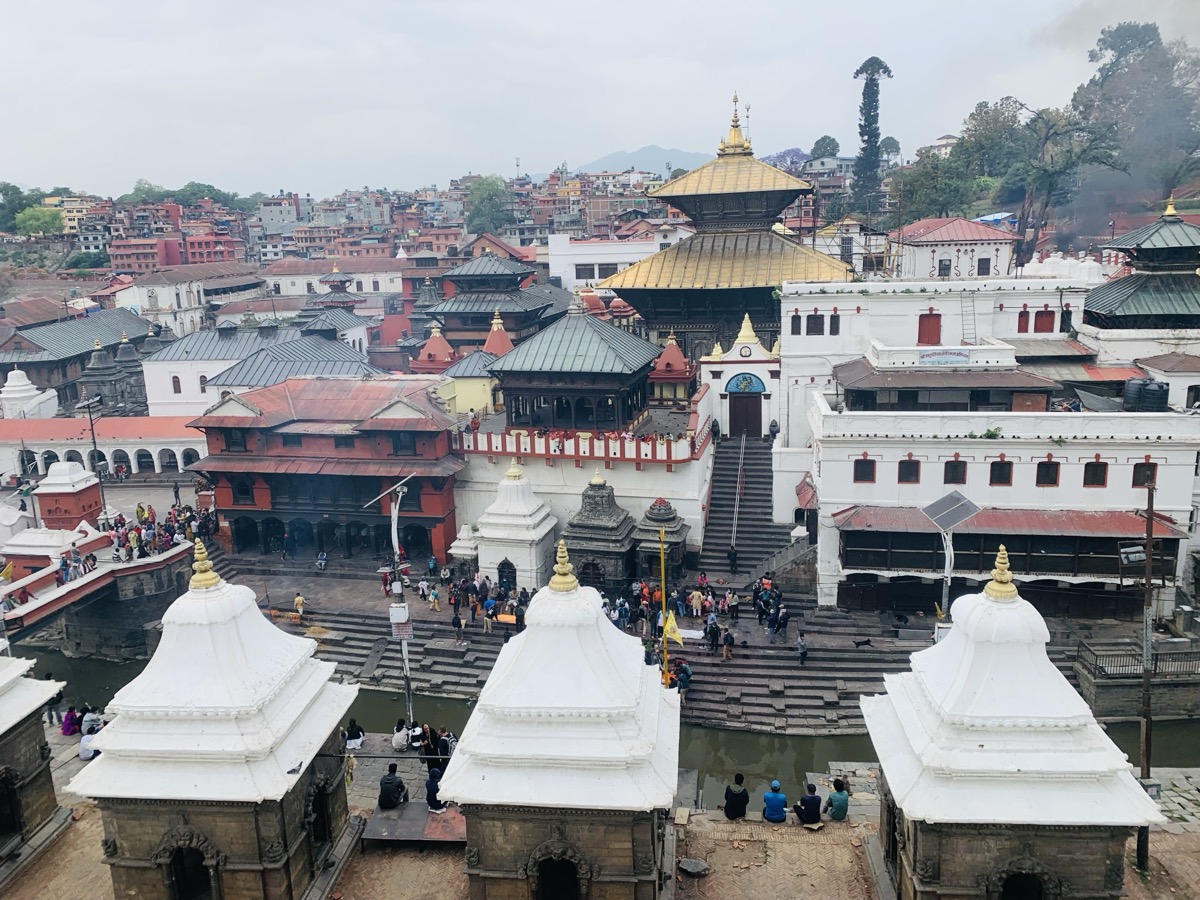
Day two introduces your family to Kathmandu’s cultural heart: Durbar Square, a living museum of temples, palaces, and everyday street life. Short guided walks with an experienced tour guide bring the stories behind the architecture to life in a way that keeps kids interested.
Choose a guided tour option that includes interactive elements—storytelling, short artisan demonstrations, or a simple scavenger-hunt format—to maintain attention and curiosity. Keep the morning light and leave time for a relaxed lunch and a quiet hotel break before any afternoon activities.
The Charm of Bandipur: A Living Museum for Kids
On day three you'll leave the city bustle behind for Bandipur, a hilltop town that feels like a living museum. The pace here is slower, the air fresher, and the streets offer plenty of safe places for kids to explore while parents relax.
The Scenic Drive from the Capital
The drive to Bandipur crosses green fields, rivers, and the foothills of the Himalayas—great opportunities for kids to watch how the landscape changes. Plan to depart in the morning for the best light and a comfortable ride; the trip typically takes around 3–4 hours from central Kathmandu depending on traffic and road conditions (confirm exact timings with your operator).
Expect a few short stops for stretching and photo breaks so the whole family stays comfortable. The route’s views reward those small pauses—mountain ridgelines and terraced fields that please adults and spark curiosity in children.
Why Bandipur Offers a Safer Pace for Younger Travelers
Bandipur’s main thoroughfare is effectively pedestrian-friendly, making it an excellent choice for families who want fewer traffic worries. Stone alleys, small shops, and quiet viewpoints make it easy to wander without long detours or noisy streets.
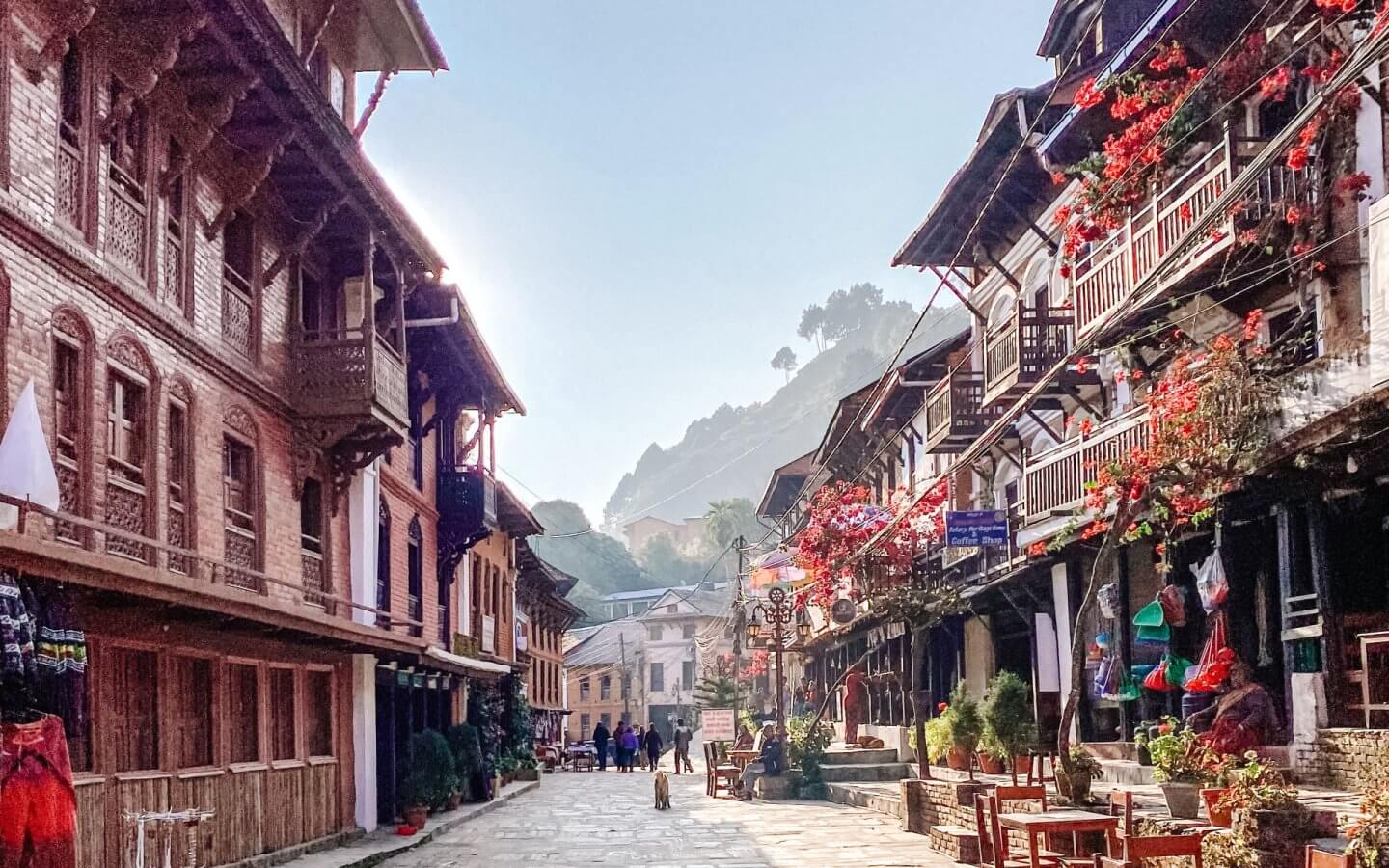
The town’s relaxed atmosphere is ideal for family bonding: simple walks, watching local artisans, and stopping at a teahouse for a snack. Accommodations in Bandipur tend to be small lodges or family-run hotels that emphasize calm evenings after active days; check each hotel listing for specific amenities like Wi‑Fi and hot water.
| FeatureUrban CentersBandipur Village | ||
| Traffic Levels | High and Constant | Pedestrian Only |
| Noise Levels | Very Loud | Quiet and Peaceful |
| Safety for Kids | Requires Constant Vigilance | High Freedom of Movement |
| Atmosphere | Fast-Paced | Relaxed and Historic |
Suggested family activities in Bandipur
- Short guided village walks and simple nature trails—kid-friendly and low effort.
- Visits to local artisan workshops where children can see traditional crafts (ask guides for demonstrations).
- Relaxed picnic at a viewpoint with panoramic views—great for photos and downtime.
- Evening storytelling or board games in family-friendly lodges to wind down after the day’s exploring.
Pokhara: The Adventure Capital for All Ages
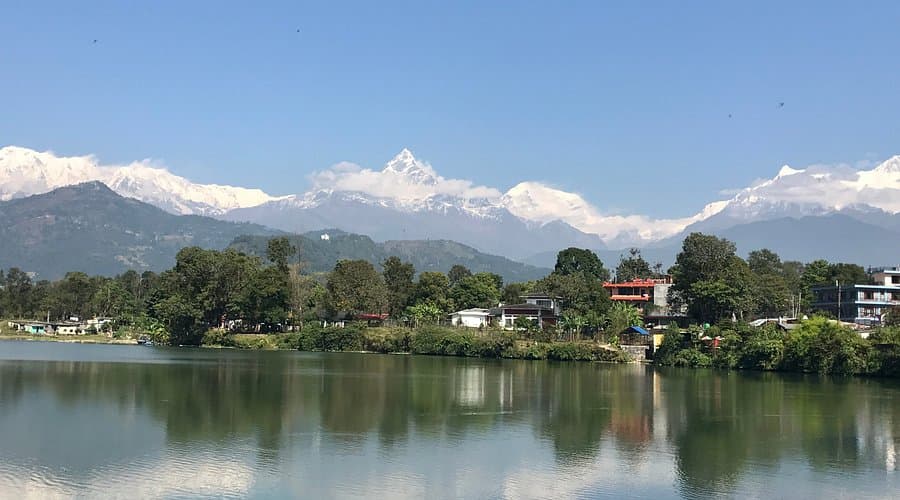
Your journey brings you to Pokhara, where the Annapurna foothills meet peaceful Phewa Lake. This lakeside city is a perfect sanctuary for families—equal parts relaxed and activity-ready—making it an ideal stop on the golden triangle tour.
Imagine the lakeside at sunrise: glassy water reflecting the snow-capped peaks and a gentle buzz of cafes opening for the day. That calm morning atmosphere is one of Pokhara’s best family-friendly moments.
Settling into the Lakeside Atmosphere
Pokhara’s lakeside promenade is lively without feeling crowded—cafes, small shops, and prayer flags line easy walking routes suitable for strollers and little legs. The views of Machhapuchhre (Fishtail) are constant and dramatic, giving parents great photo opportunities while kids chase ducks or explore safe shorelines.
Most family-friendly hotels near the lake offer comfortable rooms, easy access to the promenade, and helpful front-desk staff who can arrange child-safe activities or recommend quiet dining options. If you prefer a quieter stay, ask about lakeside rooms away from the busiest stretches.
"In every walk with nature, one receives far more than he seeks."
Family-Friendly Activities by Phewa Lake
Phewa Lake is the heart of Pokhara’s family activities. A classic boat ride to Tal Barahi Temple is gentle and popular with kids—opt for a shorter round-trip if younger children are onboard. For very young children, pedal boats or short motor-boat rides work well and are easy to supervise.
Other low-impact activities parents appreciate:
- Shoreline picnics at quiet spots—bring snacks and a small blanket for a relaxed lunch with a view.
- Short guided lakeside walks with a local guide who can point out birds and explain local stories in kid-friendly terms.
- Watching paragliders from a safe distance—great for older kids who enjoy adventure sights (check age and weight limits with providers).
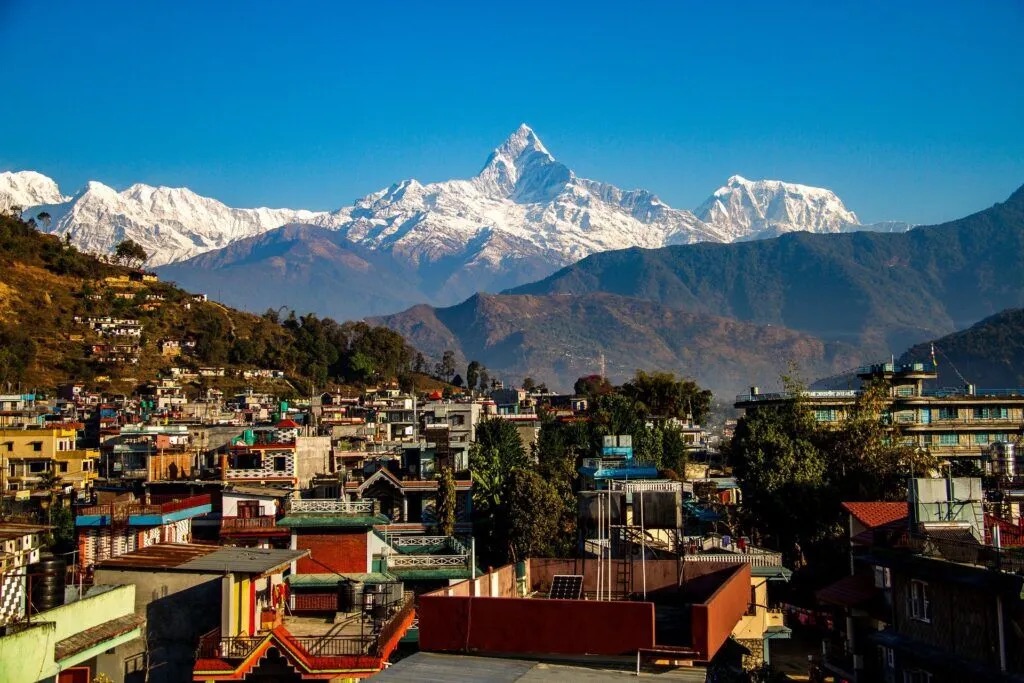
Practical tips: visit the promenade early morning or late afternoon to avoid midday crowds; carry sunscreen and water; confirm restroom availability at your chosen cafe or hotel. For boat rides and paragliding, always check safety briefings and age/weight restrictions before booking.
Want family lakeside rooms or boat-safety details? Ask your tour operator to include these options when booking your Pokhara stay.
Exploring the Natural Wonders of Pokhara
Day five invites your family to go beyond the lakeshore and discover Pokhara’s natural and cultural highlights. This day mixes light physical activity with hands-on learning so kids wind up energized and curious rather than tired.
Visiting the Gupteshwor Mahadev Cave
Gupteshwor Mahadev Cave sits beneath the waterfall opposite the lakeside and offers a cool, slightly mysterious contrast to the sunny promenade. As you descend the steps, the air grows cooler and the sound of the Seti River echoes through the limestone caverns—an immediate lesson in geology and how water carves rock over time. The cave also contains a small shrine, so you’ll see how natural features and local beliefs connect.
Practical tips: wear sturdy, closed-toe shoes and bring a small flashlight for exploring tighter corners. The cave is generally family-friendly with maintained steps and lighting, but always check current safety notices and accessibility information before visiting. Typical visit time: 30–60 minutes depending on how much the kids want to explore.
Sarangkot Sunrises and the Journey to Chitwan
Day six brings a big, rewarding change in your family's journey: a sunrise view high above Pokhara, then a scenic transfer toward the Terai lowlands and Chitwan. An early start is required, but the payoff—golden light on the Annapurna range—is unforgettable and well worth the early wake-up for kids and adults alike.
Witnessing the Himalayan Panorama
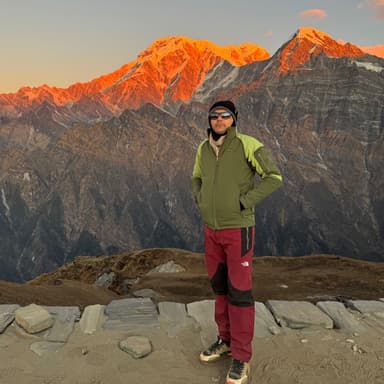
At Sarangkot, the panorama at dawn is a highlight of the trip. As the sky turns gold and pink, the Annapurna and Dhaulagiri ranges appear sharply on the horizon—an easy-to-reach, family-friendly sunrise viewpoint that makes for spectacular photos and quiet shared moments.

The mountain air at dawn is cool and refreshing—bring a light jacket for children. This peaceful start gives everyone energy for the day’s transfer and activities ahead.
"The journey of a thousand miles begins with a single step, but the best views are found after a long climb."
Transitioning from Mountains to the Terai Lowlands
After sunrise and breakfast, you’ll begin the transfer down to the Terai lowlands. Expect a noticeable change in climate as you descend from cool mountain mornings to the warmer, more humid conditions of Chitwan—pack light, breathable clothing for the afternoon and evening.
The drive is planned with family comfort in mind: regular stops to stretch, restroom breaks, and shaded rest areas when possible. Watching the landscape shift—from terraced hills to flat river plains—is an engaging, educational part of the trip for children.
Sample day timeline
- 04:45 — Wake-up call and light warm layers for Sarangkot departure
- 05:15 — Drive to Sarangkot viewpoint (exact time depends on your hotel location)
- 05:30–06:30 — Sunrise viewing and photos
- 07:30 — Return to hotel for breakfast and check-out
- 09:00 — Depart Pokhara for Chitwan (transfer by private vehicle)
- 13:00–15:00 — Planned arrival in Chitwan (depending on stops and traffic)
Practical tips
- Time: check local sunrise times for your travel dates—seasonal variation can change the schedule by 30–60 minutes.
- Packing: layer light jackets for morning, sunscreen and insect repellent for the lowlands, and a change of clothes for warmer weather.
- Transfers: request a child seat if needed and confirm planned stops with your driver before departure.
- Health: keep water and light snacks handy for the drive; use shaded rest stops where possible to avoid midday heat.
As you transition from mountains to jungle, this per-day change of scenery keeps the itinerary lively and helps kids learn about Nepal’s dramatic climate and ecological variety—one more memorable chapter in your Golden Triangle family tour.
Wildlife Encounters in Chitwan National Park
A visit to Chitwan National Park is often the most memorable part of the golden triangle tour for families. On day seven, plan on a range of guided activities that bring you into the Terai lowlands’ rich ecosystem—jeep or vehicle-based wildlife tours, short guided nature walks, and gentle canoe trips along the river. These tours give you a chance to spot the one-horned rhinoceros, deer species, and a vivid variety of birds in their natural habitat.
Seeing animals in the wild creates lasting memories and teaches children how ecosystems function. Walking through grasslands and along riverbanks emphasizes the balance of life in the park and makes conservation ideas tangible for young minds.
Ethical wildlife viewing practices
Your guide will prioritize ethical viewing: keeping a respectful distance from animals, minimizing noise, and using proven observation routes that avoid disturbing sensitive habitats. Choose operators who follow park rules and licensed naturalists—this reduces impact on wildlife and enhances your chance of a responsible, educational encounter.
Recommended timing: early morning and late afternoon are the most active times for wildlife and are the best windows for guided tours. Typical wildlife tours last 2–4 hours depending on the activity (jeep/vehicle tours or guided walks). Always confirm the planned duration with your operator and ask whether a naturalist guide is included in the tour price.
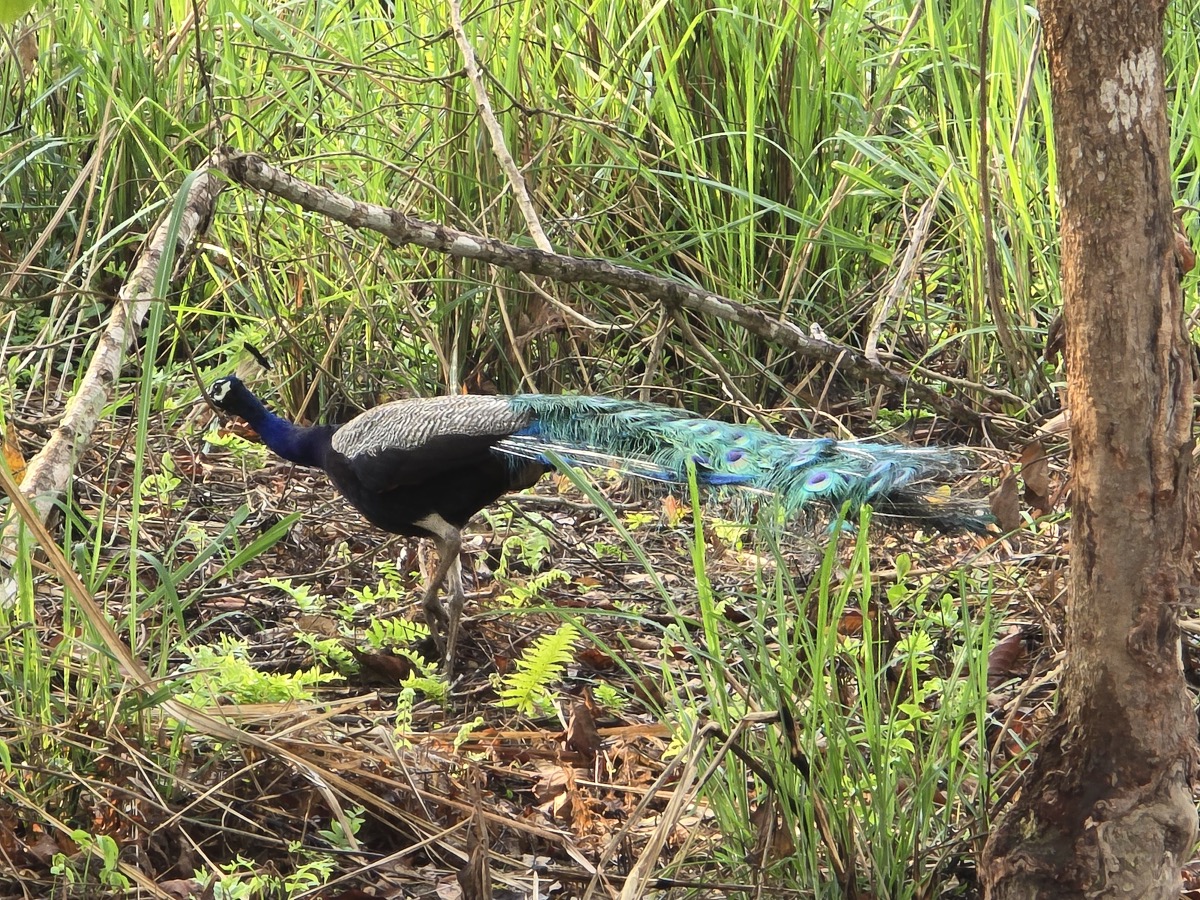
Engaging kids with nature and conservation
Keep children engaged with simple, guided activities: nature bingo, a bird-spotting list, or a short “track-finding” exercise led by your guide. Bring a pair of compact binoculars, hats, and a small notebook so kids can record sightings—these tools turn passive observation into active learning.
Safety is essential in the wilderness. Follow your naturalist’s instructions at all times, especially near water or in tall grass. Typical group sizes are limited on guided walks for safety and minimal disturbance—verify group size limits when booking. For your family’s safety and comfort, wear neutral-colored clothing, closed-toe shoes, sun protection, and bring water.
Practical tips and conservation notes
- Book early-morning or late-afternoon tours for the best chance to see wildlife.
- Confirm what’s included in your tour price—park entrance fees, guide fees, and vehicle costs can be itemized separately.
- Ask whether a portion of fees supports local conservation projects (many reputable operators contribute to park conservation—verify specifics before booking).
- Bring binoculars, a hat, sunscreen, and insect repellent; avoid strong perfumes that may unsettle wildlife.
- Listen to the naturalist: quiet voices, slow movements, and following guide instructions improve sightings and keep everyone safe.
Chitwan’s wildlife activities are a highlight of this family tour route because they combine excitement with learning—kids leave with a deeper appreciation for nature and a firsthand understanding of why protecting habitats matters.
Returning to Kathmandu: Reflecting on the Journey
Coming back to the capital marks a quiet, reflective close to your family’s Nepal adventure. After days of temples, hill towns, lakesides, and jungle safaris, the return to Kathmandu gives everyone a chance to swap favorite moments and ease back into city life before departure. This final stretch completes the Nepal Golden Triangle family package.

The Final Stretch of the Golden Triangle
On day eight you’ll enjoy a scenic drive back to Kathmandu. The changing landscapes make for a pleasant, low-key travel day—an ideal time to relax in the vehicle, look out for last glimpses of terraced hills and rice paddies, and talk about highlights from the tour. It’s also a practical chance to rest before final city activities and your departure.
The drive gives families a calm transition before re-entering the city’s pace. Many groups use this time to organize photos, repack luggage, or simply enjoy a quiet conversation—small moments that help everyone re-center after an action-packed itinerary.
Last-Minute Souvenir Shopping in Thamel
Day nine is a convenient last day for souvenir hunting in Thamel’s colorful, bustling lanes. Thamel’s shops sell a wide variety of items—handmade pashminas, wood and metal crafts, small prayer flags, and kid-friendly trinkets—making it easy to pick meaningful keepsakes for home.
Shopping tips: carry small bills for quick purchases, keep valuables secure in a cross-body bag, and be prepared to politely bargain at small stalls (ask your guide for local etiquette). For families, look for lightweight souvenirs like small carvings, handcrafted dolls, or locally made stationery that pack easily.
Last-day checklist
- Confirm your departure transfer and flight times—allow at least 3 hours before international flights for Kathmandu traffic and airport procedures.
- Exchange any remaining local currency or withdraw small amounts for tips and final purchases.
- Collect hotel paperwork, receipts, and any booking confirmations you may need for transfers or onward travel.
- Pack a small carry-on with essentials for the flight: snacks, travel documents, medications, and a change of clothes for kids.
- Ask the front desk about late checkout or an extra hour in the lounge if you need it (subject to hotel availability).
Before you leave, consider one last cup of Himalayan tea as a simple ritual to celebrate the lasting memories from your nine-day trip. If you’d like an extra night in Kathmandu, help arranging departure transfers, or assistance coordinating flights and airport transfers, ask your tour operator—many can add an extension or arrange a smooth transfer to Tribhuvan Airport for your flights.
Essential Tips for a Nepal Tour Package for Family with Kids
Good preparation makes a nepal tour package for family with kids relaxing and fun instead of stressful. The tips below focus on health, safety, and smart packing so you can enjoy the itinerary without last-minute surprises.
Health and Safety Considerations for Younger Travelers
Your child’s health comes first. Consult your pediatrician or a travel clinic at least six weeks before departure to confirm recommended vaccinations and any age-specific advice. Medical guidance changes, so always follow professional recommendations rather than relying solely on general articles.
Practical on-the-road health notes:
- Water: stick to bottled or properly treated water for drinking and teeth-brushing; confirm availability of bottled water at hotels and plan to carry refillable bottles for day trips.
- Altitude: watch for tiredness, headaches, or loss of appetite when altitude rises—keep days easy after mountain viewpoints and consult a doctor for specific altitude guidance for young children.
- First-aid kit basics: rehydration salts, antiseptic wipes, adhesive bandages, and any prescription medicines (including motion-sickness remedies if your child is prone to car sickness).
- Sun & insect protection: broad-spectrum sunscreen, hats, and insect repellent are essential—apply regularly during outdoor activities.
Packing Essentials for Diverse Climates
A family trip along the golden triangle mixes cool mountain mornings with warm lowland afternoons. Pack in layers so kids can add or remove clothing as temperatures change during transfers and activities.
Top practical packing checklist for kids:
- Lightweight base layers and a fleece or insulated jacket for mornings (Sarangkot/Pokhara).
- Breathable shirts and shorts for Chitwan’s warmer climate.
- Sturdy, closed-toe shoes for walks and cave visits plus a pair of sandals for downtime.
- Small backpack for day trips with water, snacks, a hat, and a light rain layer.
- Travel-sized toiletries and a child-friendly toothbrush; pack any favorite snacks or comfort items to help with transitions.
Meals, Rooms, and On-Tour Comfort
When you book your nepal tour package for family with kids, confirm meal arrangements and rooming options: many family packages include breakfast and some lunches, but ask whether special dietary needs can be accommodated. Request family rooms, interconnecting rooms, or extra beds when you reserve so the operator can confirm availability.
Breakfast is usually offered at hotels each morning—mention early breakfast if you have sunrise starts (for example, Sarangkot) so the kitchen can accommodate your schedule. If your family has specific meal needs or allergies, provide details in advance to avoid issues during the trip.
Kid-specific practical tips
- Motion sickness: bring prescribed medications or over-the-counter remedies and use them before travel if your child is susceptible.
- Entertainment & downtime: lightweight toys, a coloring book, or a tablet with downloaded shows can help during transfers or quiet hotel time.
- Snacks: carry familiar snacks to avoid hunger-related meltdowns between sites—granola bars, dried fruit, and re-sealable packets work well.
Optional: altitude-by-day guide (verify exact elevations with your operator)
Ask your tour operator for a simple altitude schedule so you know which days involve meaningful elevation changes and can plan slower activity for younger children on those days.
Want a printable family packing checklist or a customized packing list by child age? Ask your operator to send a downloadable PDF when you request your booking—many tour providers include this as part of the nepal tour package for family with kids.
Conclusion
A well-planned nine-day itinerary offers the right balance of culture, adventure, and relaxation for families. Choosing a reputable nepal tour package for family with kids removes much of the planning stress so you can focus on making memories together.
The Golden Triangle route—linking Kathmandu, Bandipur, Pokhara, and Chitwan—gives a compact way to see Nepal’s highlights. Each stop doubles as a learning opportunity about history, nature, and local life, while the packaged transfers and coordinated services help keep travel between cities smooth and safe.
If you have special needs—rooming preferences, dietary requirements, or a desire to adjust the daily pace—ask about customization when you request the itinerary. Many operators can confirm room arrangements, excursion options, and pricing details during booking.
Ready to customize your family departure dates, check available rooms, or ask about booking and transfer options? Contact your travel specialist to get a detailed price quote and confirm services for your preferred dates.