Introduction
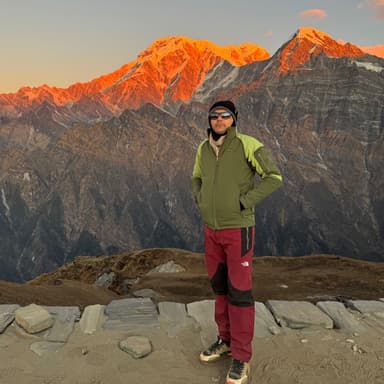
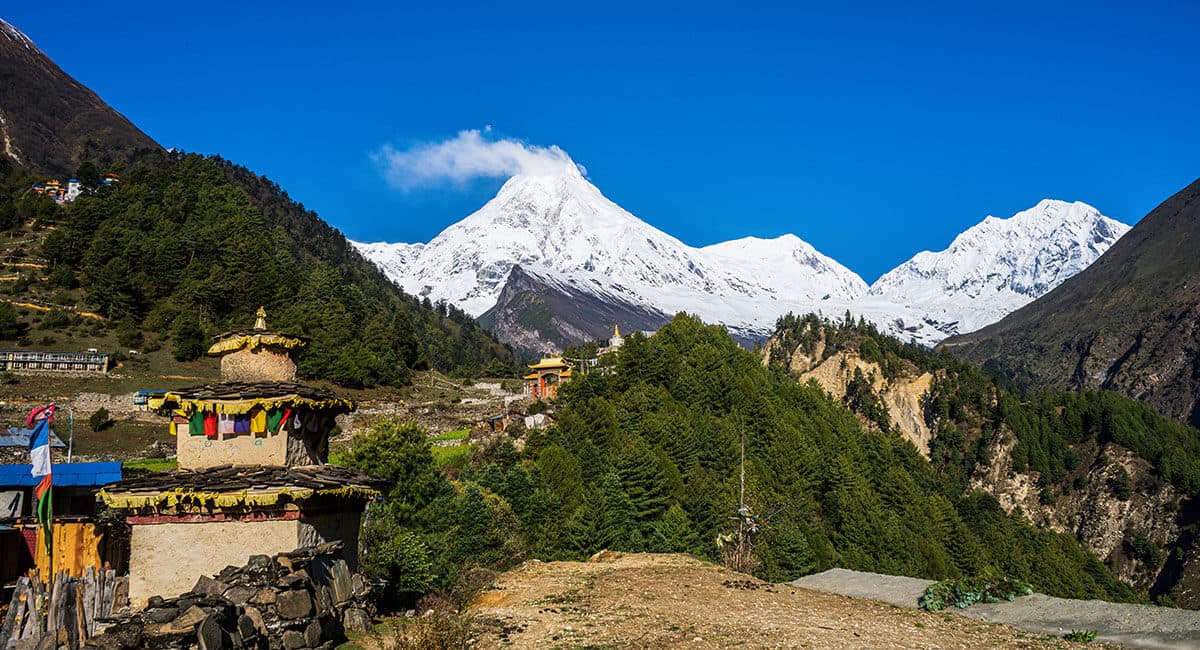
The Manaslu Circuit Trek is one of Nepal's most spectacular trekking adventures, offering a perfect combination of breathtaking Himalayan scenery, authentic mountain culture, and peaceful trails. Circling the world's eighth-highest mountain, Mount Manaslu (8,163 m), the trek passes through lush forests, deep river gorges, traditional Tibetan-influenced villages, ancient monasteries, and high alpine landscapes before crossing the magnificent Larkya La Pass (5,106 m).
Unlike the more popular Everest Base Camp and Annapurna Circuit routes, the Manaslu region remains relatively untouched. Fewer trekkers visit each year, allowing visitors to enjoy a quieter and more authentic Himalayan experience. This restricted trekking area is ideal for travelers looking to escape busy trails while discovering Nepal's natural beauty and rich cultural heritage.
One of the most common questions among trekkers is, "How difficult is the Manaslu Circuit Trek?" The answer depends on your fitness level, preparation, and ability to adapt to high altitude. While the trek does not require technical climbing or mountaineering experience, it is physically demanding. Expect long walking days, steep ascents and descents, changing weather conditions, and the challenge of trekking above 5,000 meters.
The good news is that the Manaslu Circuit Trek is achievable for most healthy and motivated travelers. With proper physical preparation, a gradual itinerary that allows enough time for acclimatization, and guidance from experienced local guides, many first-time trekkers complete the journey successfully every year.
This guide explains the main factors that influence the trek's difficulty, including altitude, fitness requirements, trail conditions, and practical preparation tips to help you plan a safe and enjoyable adventure.
How Difficult Is the Manaslu Circuit Trek?
The Manaslu Circuit Trek is generally considered a moderately difficult to challenging trek. Although it doesn't involve technical climbing or specialized mountaineering equipment, it requires good physical endurance and mental determination.
Unlike day hikes or short treks, the Manaslu Circuit usually takes 13 to 16 days, with trekkers walking for several hours each day through remote mountain terrain. Daily hikes generally last between 6 and 8 hours, although the pass-crossing day can take up to 10 hours.
The challenge comes from several factors working together rather than a single difficult section. These include:
- Long trekking days
- High altitude
- Continuous ascents and descents
- Remote trails
- Basic accommodation and facilities
- Unpredictable mountain weather
Trekking in the Himalayas is very different from hiking on flat or low-altitude trails. Even walking 12–15 kilometers can feel demanding because of the steep terrain, rocky paths, and reduced oxygen at higher elevations.
The highest point of the trek, Larkya La Pass (5,106 m), is the most physically demanding section. Reaching the pass requires an early morning start and several hours of steady climbing. However, with proper acclimatization and a slow walking pace, most trekkers complete it safely.
What Makes the Manaslu Trek Challenging?
Several factors contribute to the overall difficulty of the Manaslu Circuit Trek. Understanding these challenges helps trekkers prepare both physically and mentally.
1. Long Walking Days
The trek involves nearly two weeks of continuous walking through diverse landscapes.
Most days require 6 to 8 hours of hiking, while some shorter sections may take around five hours. The day you cross Larkya La Pass is considerably longer and often lasts between 8 and 10 hours.
A typical trekking day includes:
- Breakfast at the teahouse
- Several hours of walking
- Tea breaks
- Lunch in a mountain village
- Afternoon hike to the next overnight stop
Although the daily distance may not appear very long, the mountainous terrain makes each day physically demanding.
Fortunately, the itinerary gradually increases in elevation, allowing your body to build endurance as the trek progresses.
2. High Altitude
For most trekkers, altitude is the biggest challenge.
As you climb higher into the Himalayas, oxygen levels decrease significantly. Above 3,000 meters, almost everyone begins to notice that breathing becomes more difficult during physical activity.
By the time you reach Larkya La Pass (5,106 m), the available oxygen is approximately half of what it is at sea level. Even simple activities require much greater effort.
Common effects of high altitude include:
- Faster breathing
- Increased heart rate
- Slower walking pace
- Fatigue
- Poor sleep
- Reduced appetite
These are normal responses as your body adjusts to thinner air.
Many people believe that being physically fit protects them from altitude sickness. Unfortunately, this is not true. Even experienced athletes can develop symptoms if they ascend too quickly.
The best way to reduce the risk is by:
- Following a gradual itinerary
- Taking acclimatization days
- Drinking plenty of water
- Walking slowly
- Listening to your guide
Understanding Altitude Sickness
Altitude sickness, also called Acute Mountain Sickness (AMS), can affect anyone trekking above 2,500–3,000 meters.
Early symptoms include:
- Headache
- Dizziness
- Nausea
- Loss of appetite
- Difficulty sleeping
- Extreme tiredness
Most cases are mild and improve with rest and proper acclimatization. However, symptoms should never be ignored.
If the condition becomes severe, descending to a lower altitude is the safest solution.
Experienced trekking guides regularly monitor trekkers for signs of altitude sickness throughout the journey, helping ensure everyone remains safe.
3. Steep Climbs and Long Descents
The Manaslu Circuit includes frequent uphill and downhill sections.
Many trekkers focus on climbing, but descending can be equally exhausting because it places constant pressure on the knees and leg muscles.
The trail passes through:
- Stone staircases
- Forest paths
- Rocky slopes
- Narrow mountain trails
- Suspension bridges
- Alpine valleys
The descent after crossing Larkya La Pass is particularly long and challenging.
Using trekking poles greatly improves balance while reducing strain on your knees during steep descents.
4. Remote Location
One of the greatest attractions of the Manaslu Circuit is its remoteness.
Unlike Everest Base Camp or the Annapurna region, the Manaslu trail receives far fewer visitors. This creates a peaceful trekking experience but also means fewer facilities along the route.
Accommodation consists of simple family-run teahouses offering:
- Basic twin rooms
- Shared bathrooms
- Local meals
- Limited electricity
- Paid Wi-Fi and charging services in some villages
Medical facilities are also limited.
Trekkers should purchase comprehensive travel insurance that covers high-altitude trekking and emergency helicopter evacuation before arriving in Nepal.
How Fit Do You Need to Be?
You don't need to be a professional athlete to complete the Manaslu Circuit Trek, but a good level of fitness is essential.
Most healthy people who prepare in advance can successfully finish the trek.
Ideally, before your trip you should be comfortable:
- Walking 15–20 kilometers in a day
- Hiking for 6–7 hours
- Climbing several flights of stairs without excessive fatigue
- Carrying a small daypack weighing around 5–8 kg
Regular exercise two or three months before your trek can make a significant difference.
Good preparation not only makes trekking easier but also helps reduce fatigue and improve recovery after each day's walk.
How to Prepare for the Trek
A well-balanced training program should focus on endurance, strength, and hiking practice.
Improve Your Endurance
Cardiovascular fitness is one of the most important aspects of trekking.
Excellent training activities include:
- Brisk walking
- Hiking
- Jogging
- Cycling
- Swimming
- Stair climbing
Aim to exercise three to five times each week, gradually increasing your distance and intensity.
Strengthen Your Legs and Core
Strong leg muscles help you handle long ascents and descents with greater ease.
Useful exercises include:
- Squats
- Lunges
- Step-ups
- Calf raises
- Planks
Just two or three strength-training sessions each week can significantly improve your trekking performance.
Practice Hiking with a Backpack
Weekend hikes carrying the same backpack you'll use in Nepal are one of the best ways to prepare.
This allows you to:
- Build stamina
- Test your trekking boots
- Adjust your backpack
- Prevent blisters
- Gain confidence before the trek
Trail Conditions on the Manaslu Circuit
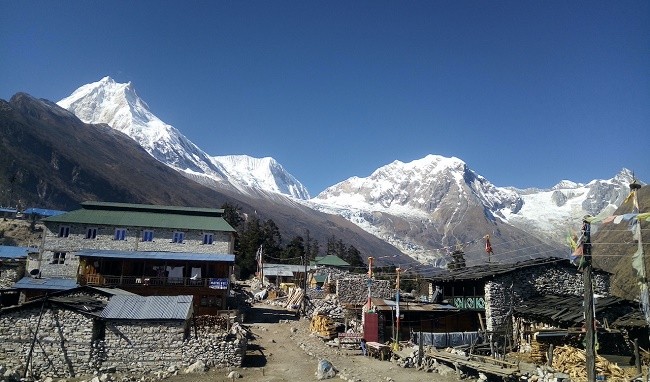
One of the highlights of the Manaslu Circuit Trek is the incredible variety of landscapes you'll experience.
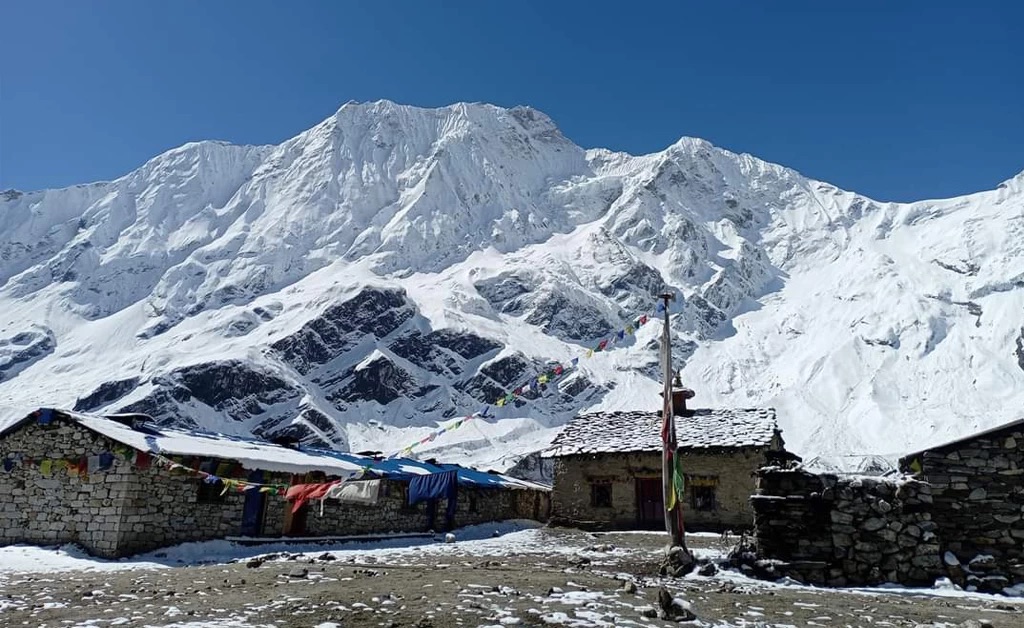
The trail begins in subtropical forests filled with waterfalls, rivers, and terraced farmland before gradually climbing into alpine meadows, rocky valleys, and snow-covered mountain terrain.
Unlike paved hiking trails, the Manaslu route follows traditional mountain paths used by local communities for generations.
Along the way you'll encounter:
- Forest trails
- Stone staircases
- Suspension bridges
- Rocky paths
- Narrow cliff-side sections
- Glacial moraines
- High alpine terrain
The trail is generally well-established, but weather conditions can change quickly, especially near Larkya La Pass. During spring and autumn, trails are usually dry and stable, while winter snow and monsoon rains make trekking more challenging.
Wearing quality trekking boots and using trekking poles improves stability, reduces fatigue, and helps prevent injuries on uneven ground.
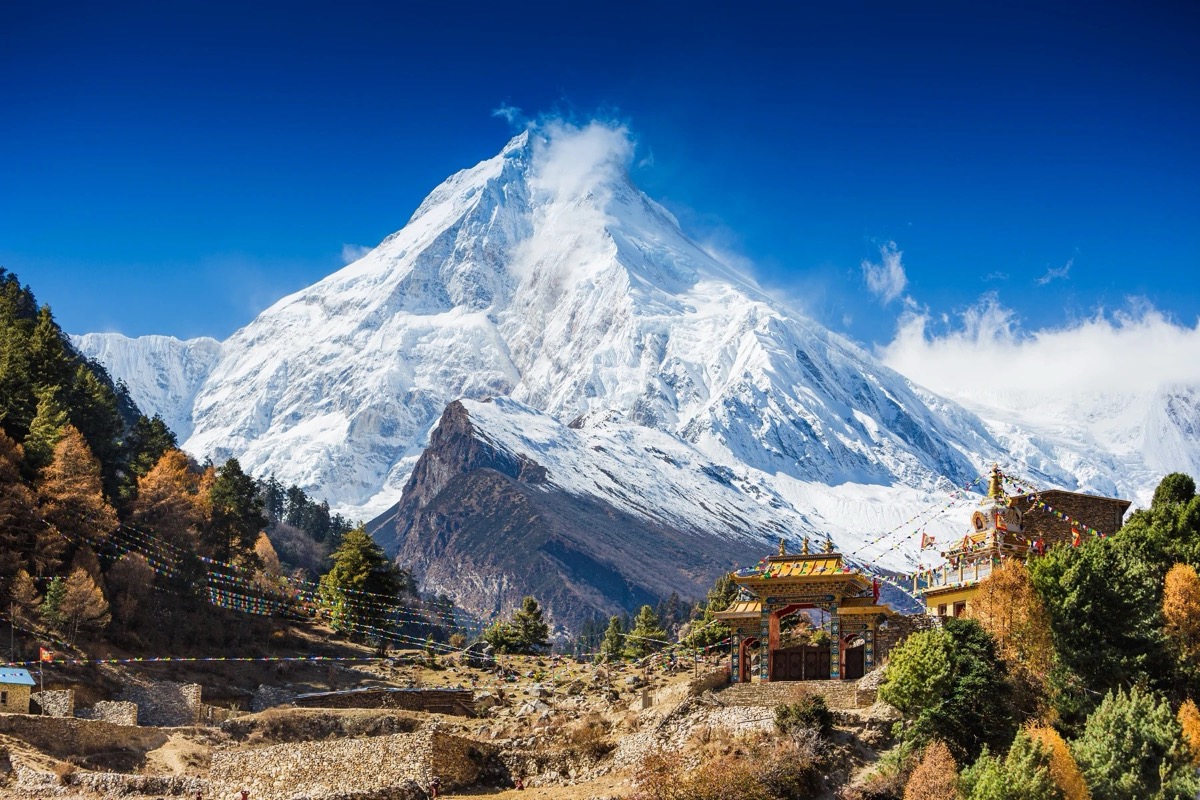
Crossing Larkya La Pass (5,106 m): The Toughest Day of the Trek
For most trekkers, crossing Larkya La Pass (5,106 m) is the highlight of the Manaslu Circuit Trek. It is also the most physically demanding day of the journey.
The day begins well before sunrise, usually around 3:00 or 4:00 a.m. Starting early helps trekkers avoid strong afternoon winds and gives enough time to complete the long descent safely.
The climb from Dharamsala (Larkya Phedi) to the pass is gradual but challenging due to the high altitude. At over 5,000 meters, the thinner air makes every step feel harder, so maintaining a slow and steady pace is essential.
As dawn breaks, you'll witness breathtaking views of the surrounding Himalayan peaks. Upon reaching the prayer flags at the top of the pass, you'll be rewarded with spectacular panoramas of Mount Manaslu, Himalchuli, Cheo Himal, Kang Guru, and Annapurna II.
Although reaching the summit feels like a major achievement, the day isn't over. The descent to Bimthang is long, steep, and often more tiring than the climb itself. Trekking poles are especially helpful during this section, providing extra balance and reducing pressure on your knees.
Despite being the most difficult day, crossing Larkya La Pass is also one of the most memorable experiences in the Himalayas.
Best Time for the Manaslu Circuit Trek
The season you choose has a significant impact on the overall trekking experience. Weather affects trail conditions, mountain visibility, and the difficulty of crossing Larkya La Pass.
Spring (March to May)
Spring is one of the best times to trek the Manaslu Circuit.
The weather is generally stable, temperatures are pleasant, and forests bloom with colorful rhododendrons. Snow remains on the surrounding peaks, creating stunning mountain scenery.
Although mornings and nights can still be cold at higher elevations, trails are usually dry and safe for trekking.
Spring is ideal for trekkers seeking comfortable weather and beautiful landscapes.
Autumn (September to November)
Autumn is widely regarded as the best trekking season in Nepal.
After the monsoon rains, the skies become exceptionally clear, offering outstanding mountain views. Dry trails and stable weather make trekking more enjoyable and increase the chances of crossing Larkya La Pass under ideal conditions.
Because of these excellent conditions, autumn is also the busiest season. However, the Manaslu region remains much quieter than Everest or Annapurna.
If you're looking for the perfect balance of weather, scenery, and trail conditions, autumn is the best choice.
Winter (December to February)
Winter offers peaceful trails and breathtaking snow-covered landscapes.
However, temperatures can drop well below freezing, especially near Larkya La Pass. Heavy snowfall may temporarily close the pass or require itinerary changes.
Winter trekking is best suited to experienced trekkers who are prepared for cold conditions and flexible travel plans.
Monsoon (June to August)
Monsoon is generally considered the most challenging season.
Heavy rainfall makes trails muddy and slippery, while landslides may affect access roads and trekking routes. Mountain views are often hidden by clouds, and leeches are common in the lower forests.
Although the landscape becomes lush and green, spring and autumn remain far better choices for most travelers.
Practical Tips for a Successful Trek
Good preparation can make the Manaslu Circuit Trek far more enjoyable. Most successful trekkers aren't necessarily the strongest—they're the ones who prepare well and pace themselves throughout the journey.
Train Before You Arrive
Begin preparing at least two or three months before your trip.
Focus on activities that improve endurance, such as hiking, jogging, cycling, swimming, or brisk walking. Adding strength exercises for your legs and core will also make climbing and descending much easier.
Walk Slowly
Many trekkers make the mistake of walking too fast during the first few days.
At higher elevations, a slow and steady pace helps conserve energy and allows your body to adapt to the thinner air. Following your guide's pace significantly reduces the risk of altitude sickness.
Remember, trekking isn't a race—reaching your destination safely is far more important.
Stay Hydrated
Drinking enough water is essential for both performance and acclimatization.
Aim to drink 3 to 4 liters of water daily, even if you don't feel thirsty.
Warm drinks such as ginger tea, lemon tea, or garlic soup are also popular choices during the trek and help maintain hydration.
Eat Nutritious Meals
Your body burns a significant amount of energy while trekking.
One of the best meals on the trail is Dal Bhat, Nepal's traditional combination of rice, lentil soup, vegetables, and curry. It provides the carbohydrates and nutrients needed for long trekking days.
Other common teahouse meals include noodles, fried rice, pasta, potatoes, pancakes, soups, and eggs.
Eating regular, balanced meals helps maintain your strength throughout the trek.
Pack Light but Smart
Avoid carrying unnecessary gear.
Even if you hire a porter, you'll still carry a daypack with essentials such as:
- Water bottle
- Snacks
- Waterproof jacket
- Warm layers
- Gloves
- Sunscreen
- Sunglasses
- Camera
- Personal medications
Choose lightweight clothing that can be layered easily as temperatures change throughout the day.
Common Mistakes to Avoid
Learning from the experiences of previous trekkers can make your journey safer and more enjoyable.
Avoid these common mistakes:
- Starting the trek without proper training.
- Walking too quickly during the first few days.
- Ignoring symptoms of altitude sickness.
- Drinking too little water.
- Packing excessive luggage.
- Wearing brand-new trekking boots.
- Skipping acclimatization days.
- Underestimating changing mountain weather.
Simple planning and preparation go a long way toward ensuring a successful trek.
Why Hire a Guide and Porter?
The Manaslu Circuit lies within a restricted trekking area, so hiring a licensed guide is mandatory.
An experienced guide provides much more than navigation. They assist with permits, arrange accommodation, monitor your health, explain local culture, and adjust the itinerary if weather or trail conditions change.
Hiring a porter is also highly recommended. Carrying a heavy backpack at high altitude quickly becomes exhausting. A porter allows you to enjoy the trek with greater comfort while conserving energy for the more challenging sections.
Choosing local guides and porters also supports mountain communities and contributes to sustainable tourism in the region.
Who Should Choose the Manaslu Circuit Trek?
The Manaslu Circuit Trek is perfect for travelers seeking an authentic Himalayan adventure away from crowded trails.
It is especially suitable for:
- Adventure enthusiasts looking for a rewarding challenge.
- Nature lovers who enjoy remote mountain landscapes.
- Photographers searching for dramatic Himalayan scenery.
- Trekkers interested in Tibetan Buddhist culture.
- Experienced hikers wanting an alternative to Everest or Annapurna.
- First-time trekkers who are physically fit and willing to prepare.
However, if you prefer luxury accommodation, short walking days, or easy hiking, this may not be the ideal trek.
Conclusion
The Manaslu Circuit Trek is one of Nepal's most rewarding trekking experiences. From lush valleys and traditional mountain villages to glaciers and snow-covered peaks, every day offers something new.
While the trek is physically demanding, it does not require technical climbing or previous mountaineering experience. With proper fitness training, gradual acclimatization, and guidance from experienced local professionals, most healthy trekkers can complete the journey safely.
The highlight of the trek—crossing Larkya La Pass (5,106 m)—is a challenging yet unforgettable achievement that rewards you with breathtaking Himalayan views and an incredible sense of accomplishment.
If you're looking for a less crowded alternative to Nepal's more popular trekking routes, the Manaslu Circuit Trek offers the perfect balance of adventure, culture, and natural beauty. Prepare well, walk at your own pace, and enjoy one of the Himalayas' most remarkable trekking experiences.
Frequently Asked Questions (FAQs)
Is the Manaslu Circuit Trek suitable for beginners?
Yes. Beginners with a good level of fitness and proper preparation can complete the trek successfully. Following a well-planned itinerary with acclimatization days and trekking with an experienced guide greatly improves safety and enjoyment.
How difficult is the Manaslu Circuit Trek compared to Everest Base Camp?
Both treks are moderately challenging. The Manaslu Circuit is generally more remote with fewer facilities, while the Everest Base Camp Trek attracts more trekkers and reaches a slightly higher altitude.
What is the highest point of the trek?
The highest point is Larkya La Pass, located at 5,106 meters (16,752 feet) above sea level.
How many hours do you walk each day?
Most trekking days involve 6–8 hours of walking. The day you cross Larkya La Pass can take 8–10 hours, depending on weather and individual pace.
Do I need previous trekking experience?
No. Previous trekking experience is helpful but not essential. Many first-time trekkers successfully complete the Manaslu Circuit after preparing physically and following a gradual itinerary.
When is the best time to trek the Manaslu Circuit?
The best seasons are spring (March–May) and autumn (September–November). These months offer stable weather, clear mountain views, and the safest trail conditions.