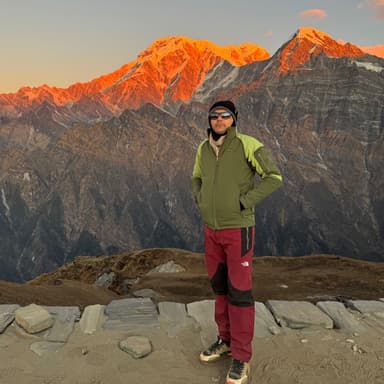
When people dream of trekking in Nepal, they imagine snow-covered peaks, prayer flags fluttering in the wind, and trails that wind through ancient villages and dramatic mountain landscapes. Nepal offers countless trekking routes, but two stand out as legendary—the Manaslu Circuit Trek and the Annapurna Circuit Trek.
At first glance, both treks may seem similar. They involve crossing high mountain passes, walking through remote villages, and experiencing the grandeur of the Himalayas. But once you look deeper, you realize that these two journeys offer very different experiences.
One is raw, remote, and deeply authentic. The other is diverse, accessible, and comfortably adventurous.
So how do you choose?
This detailed guide will take you beyond basic comparisons and help you truly understand what each trek feels like—day by day, step by step—so you can confidently decide which Himalayan adventure is right for you.
Understanding the Essence of Each Trek
Manaslu Circuit Trek – The Hidden Himalayan Gem
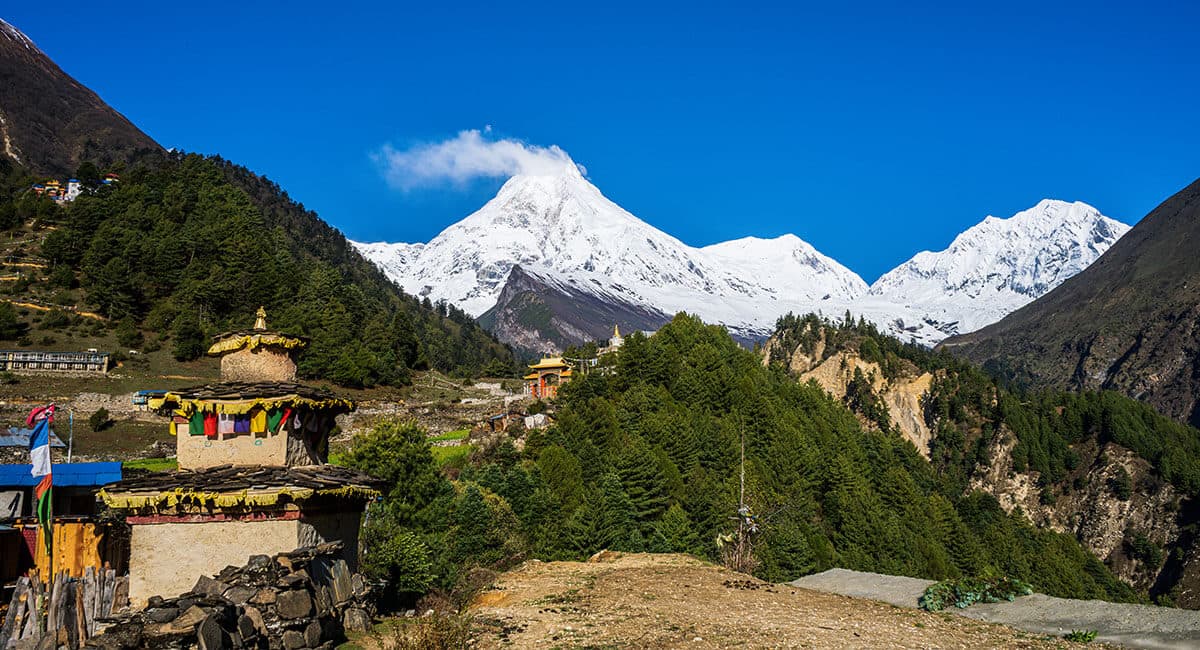
The Manaslu Circuit Trek circles the magnificent Mount Manaslu, rising to 8,163 meters. Unlike more commercial trekking regions, Manaslu remains relatively untouched, offering a rare glimpse into a quieter, more traditional Himalayan life.
What makes Manaslu special isn’t just the mountain—it’s the feeling of isolation and authenticity. You won’t find crowds here. Instead, you’ll find silence, raw landscapes, and villages where life moves much as it has for centuries.
From the moment you begin trekking, you feel like you are entering a different world—one where nature dominates and modern distractions fade away.
👉 Explore: Manaslu Circuit Trek Itinerary
Annapurna Circuit Trek – The Classic Himalayan Experience
The Annapurna Circuit Trek, on the other hand, is one of the most celebrated trekking routes in the world. It circles the vast Annapurna Massif, offering a journey through an incredible range of landscapes and cultures.
This trek has evolved over the years, becoming more accessible and comfortable, yet it still retains its magic. It’s a trek where every day feels different—from lush green valleys to high-altitude deserts.
For many trekkers, Annapurna is the perfect introduction to the Himalayas.
👉 Explore: Annapurna Circuit Trek Package
A Journey Through Landscapes: What You’ll Actually See
Manaslu Circuit – Raw and Untamed Beauty
The Manaslu trail begins in the lowlands, where the air is warm and the hills are covered in dense forests. As you move forward, the scenery gradually transforms.
You walk along narrow trails carved into cliffs, with the roaring Budhi Gandaki River far below. Suspension bridges sway as you cross them, and waterfalls cascade down steep rock faces.
Higher up, the forests thin out, replaced by rugged terrain and snow-capped peaks. Villages become fewer, and the silence grows deeper.
The highlight of this journey is crossing Larkya La Pass. Standing at over 5,000 meters, this pass offers breathtaking panoramic views—an unforgettable reward for your effort.
This trek feels like an expedition, not just a hike.
Annapurna Circuit – A World of Diversity
If Manaslu is about raw wilderness, Annapurna is about variety.
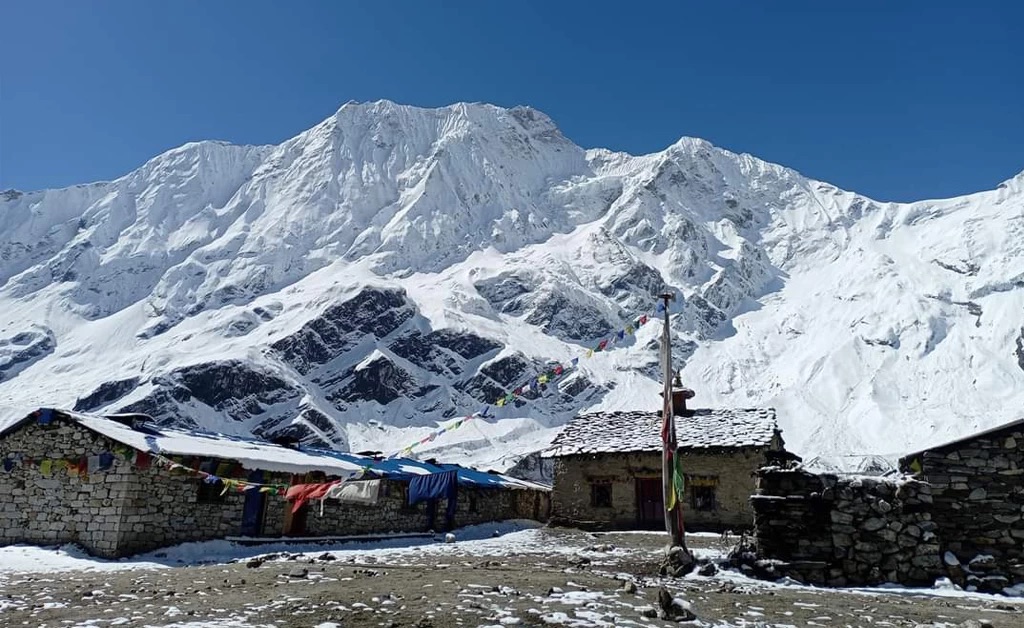
The trek begins in lush, green landscapes filled with terraced fields and traditional villages. As you ascend, the scenery changes dramatically. Forests give way to alpine terrain, and eventually to dry, desert-like landscapes near Mustang.
One day you’re walking through humid forests; the next, you’re surrounded by barren cliffs that resemble Tibet.
The highest point is Thorong La Pass, one of the most famous passes in the Himalayas.
What makes Annapurna unique is how it constantly surprises you. Just when you think you’ve seen it all, the landscape changes again.
Culture: A Deeper Connection to the Himalayas
Manaslu Circuit – Tibetan Influence and Timeless Traditions
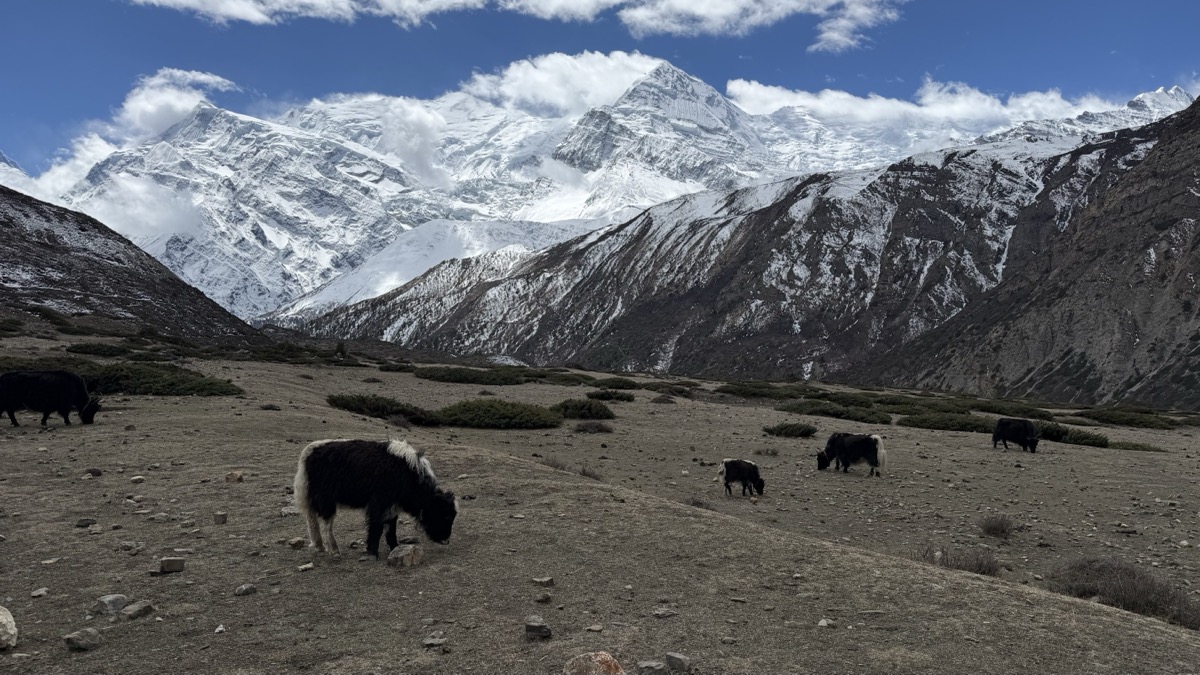
The Manaslu region is deeply influenced by Tibetan culture. As you move higher, the architecture, language, and traditions reflect this heritage.
Villages like Samagaun and Samdo feel almost frozen in time. Stone houses, prayer wheels, and mani walls line the trails. Monasteries sit quietly against mountain backdrops.
A visit to Pungyen Gompa is a peaceful experience that connects you to the spiritual side of the Himalayas.
Here, culture isn’t something staged for tourists—it’s simply life.
Annapurna Circuit – Cultural Diversity and Accessibility
The Annapurna region is home to many ethnic groups, including Gurung, Thakali, and Manangi communities.
You’ll experience:
- Warm hospitality in traditional villages
- Local cuisine like dal bhat and Thakali meals
- A blend of Hindu and Buddhist traditions
One of the most important spiritual highlights is Muktinath Temple, a pilgrimage site visited by thousands each year.
While Annapurna offers rich cultural experiences, they are more accessible and slightly influenced by tourism.
Trekking Difficulty: What to Expect Physically
Manaslu Circuit – A True Challenge
Manaslu is not just physically demanding—it’s mentally challenging too.
You’ll face:
- Long trekking days
- Remote conditions
- Limited facilities
- Harsh weather at higher altitudes
Crossing Larkya La Pass requires stamina, determination, and proper acclimatization.
This trek is ideal for those who want a serious adventure.
Annapurna Circuit – Balanced and Achievable
Annapurna is challenging but more forgiving.
The infrastructure allows for:
- Better acclimatization
- Comfortable rest stops
- Flexible itineraries
Even though crossing Thorong La Pass is tough, the overall trek is manageable for beginners with preparation.
Accommodation and Comfort
Manaslu Circuit
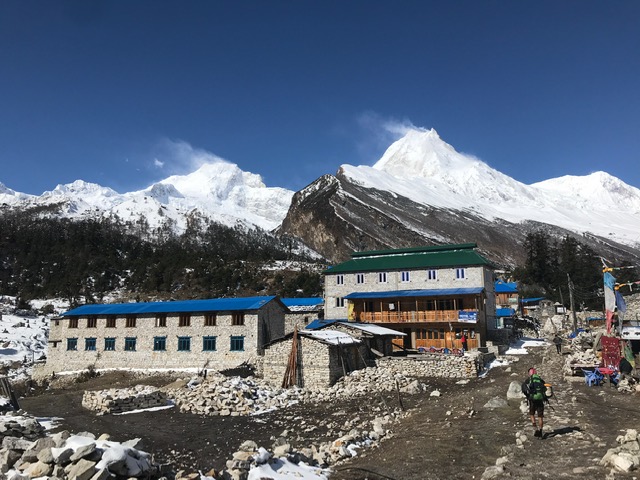
Accommodation is basic but authentic. Teahouses provide simple rooms and meals.
Expect:
- Limited menu options
- Shared facilities
- Minimal luxury
But this simplicity is part of the experience.
Annapurna Circuit
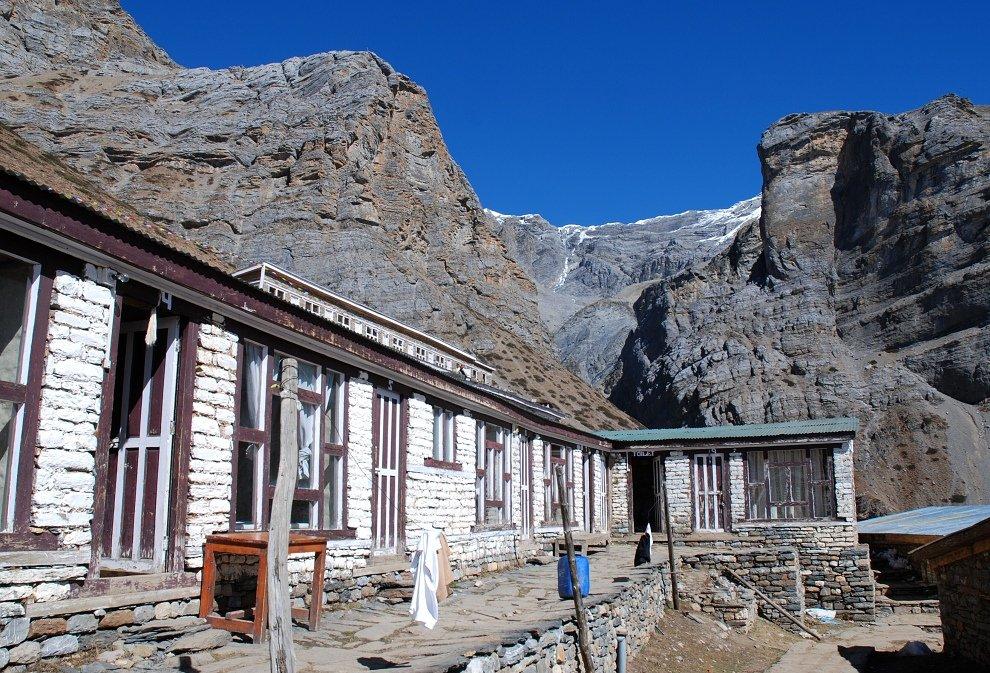
Annapurna offers much more comfort:
- Private rooms in many places
- Wi-Fi and hot showers
- Wide food choices
It’s perfect if you want adventure without sacrificing comfort.
Accessibility and Logistics
Manaslu Circuit
Reaching the starting point involves a long drive from Kathmandu. Transport options are limited, adding to the sense of remoteness.
Planning is more complex, but the reward is a quieter trail.
Annapurna Circuit
The Annapurna Circuit is far easier to access. You can start from different points, and roads connect much of the region.
👉 You may add: Pokhara Tour Packages
Permits and Regulations
Manaslu Circuit
- Restricted Area Permit
- MCAP & ACAP permits
- Mandatory licensed guide
- Minimum group size required
👉 Explore: Nepal Trekking Permits Guide
Annapurna Circuit
- ACAP Permit
- TIMS card
No guide required, offering flexibility.
Cost Breakdown
Manaslu Circuit
Costs are higher due to permits and guide requirements.
Estimated: $1200–$2000+
Annapurna Circuit
More budget-friendly and flexible.
Estimated: $800–$1500
👉 Explore: Affordable Nepal Trek Packages
Best Time to Trek
Both treks are best in:
- Spring (March–May) – Blooming forests
- Autumn (September–November) – Clear skies
👉 Check it out: Best Time to Trek in Nepal
Crowd and Atmosphere
Manaslu
Quiet, peaceful, and uncrowded. Perfect for solitude.
Annapurna
Popular and lively. Great for meeting other trekkers.
Pros and Cons Summary
Manaslu Circuit
Pros:
- Remote and authentic
- Less crowded
- Deep cultural immersion
Cons:
- Expensive
- Basic facilities
- Mandatory guide
Annapurna Circuit
Pros:
- Diverse landscapes
- Comfortable lodges
- Easy access
Cons:
- Crowded
- Road impact
Which Trek Should You Choose?
Choose Manaslu if:
- You want a true adventure
- You prefer solitude
- You value authenticity
Choose Annapurna if:
- You are a beginner
- You want comfort
- You love variety
Final Thoughts
Choosing between the Manaslu Circuit Trek and the Annapurna Circuit Trek really comes down to the kind of experience you’re looking for in the Himalayas. Both treks are incredibly rewarding, but they offer very different journeys.
If you’re someone who loves quiet trails, remote landscapes, and a deeper connection with local culture, the Manaslu Circuit is a fantastic choice. Trekking around Mount Manaslu feels raw and untouched, with fewer crowds and a strong Tibetan influence in the villages. It’s perfect for those who want a more adventurous and authentic experience, even if it means fewer comforts along the way.
On the other hand, the Annapurna Circuit Trek offers a more balanced and flexible adventure. The diversity you experience while walking around the Annapurna Massif is truly impressive—from green valleys to high mountain deserts. It’s also more accessible, with better infrastructure, making it a great option for both beginners and experienced trekkers who prefer a bit more comfort.
Both treks come with their own challenges, especially when crossing high passes like Larkya La Pass and Thorong La Pass, but those moments often become the most memorable parts of the journey.
In the end, there’s no wrong choice. Whether you choose Manaslu for its solitude or Annapurna for its variety, trekking in Nepal is always a life-changing experience filled with stunning views, cultural richness, and unforgettable memories.
FAQs
1. Which trek is better: Manaslu Circuit or Annapurna Circuit?
Both treks are incredible but suit different travelers. The Manaslu Circuit Trek is ideal for those seeking a remote and less crowded adventure, while the Annapurna Circuit Trek is better for trekkers who prefer diverse landscapes, easier access, and more comfortable facilities.
2. Is the Manaslu Circuit Trek more difficult than the Annapurna Circuit Trek?
Yes, the Manaslu Circuit Trek is generally more challenging due to its remote terrain, longer trekking days, and limited infrastructure. Annapurna Circuit is more beginner-friendly with better facilities and flexible routes.
3. Do I need a guide for the Manaslu Circuit Trek?
Yes, a licensed guide is mandatory for the Manaslu Circuit Trek because it is a restricted area. You must also trek with at least one other person.
4. Can I do the Annapurna Circuit Trek without a guide?
Yes, the Annapurna Circuit Trek can be done independently, although hiring a guide is highly recommended for safety, navigation, and cultural insights.
5. Which trek is less crowded?
The Manaslu Circuit Trek is significantly less crowded compared to the Annapurna Circuit Trek, making it perfect for those seeking solitude.
6. What is the highest point on each trek?
The highest point of the Manaslu Circuit Trek is Larkya La Pass (5,160m), while the Annapurna Circuit Trek reaches Thorong La Pass (5,416m).
7. Which trek offers better scenery?
Both treks are stunning. The Annapurna Circuit offers more diverse landscapes, while the Manaslu Circuit provides untouched, raw Himalayan beauty.
8. How many days does each trek take?
The Manaslu Circuit Trek usually takes 14–18 days, whereas the Annapurna Circuit Trek can range from 12–20 days depending on the itinerary.
9. Which trek is more expensive?
The Manaslu Circuit Trek is more expensive due to restricted area permits and mandatory guide requirements. The Annapurna Circuit Trek is more budget-friendly and flexible.
10. What kind of accommodation is available on each trek?
Manaslu offers basic teahouses with limited facilities, while Annapurna provides a wide range of accommodations, including comfortable lodges with Wi-Fi and hot showers.
11. What permits are required for both treks?
The Manaslu Circuit Trek requires multiple permits including Restricted Area Permit, MCAP, and ACAP. The Annapurna Circuit Trek mainly requires the ACAP permit and sometimes a TIMS card.
12. What is the best time to do these treks?
The best seasons for both treks are spring (March–May) and autumn (September–November), offering clear skies and stable weather conditions.
13. Is altitude sickness a concern on these treks?
Yes, both treks reach high altitudes above 5,000 meters, so proper acclimatization is essential to prevent altitude sickness.
14. Which trek is better for beginners?
The Annapurna Circuit Trek is better suited for beginners due to its better infrastructure, easier accessibility, and more gradual acclimatization.
15. Which trek offers a more authentic cultural experience?
The Manaslu Circuit Trek offers a more authentic and less commercialized cultural experience, especially with its strong Tibetan influence and traditional villages.