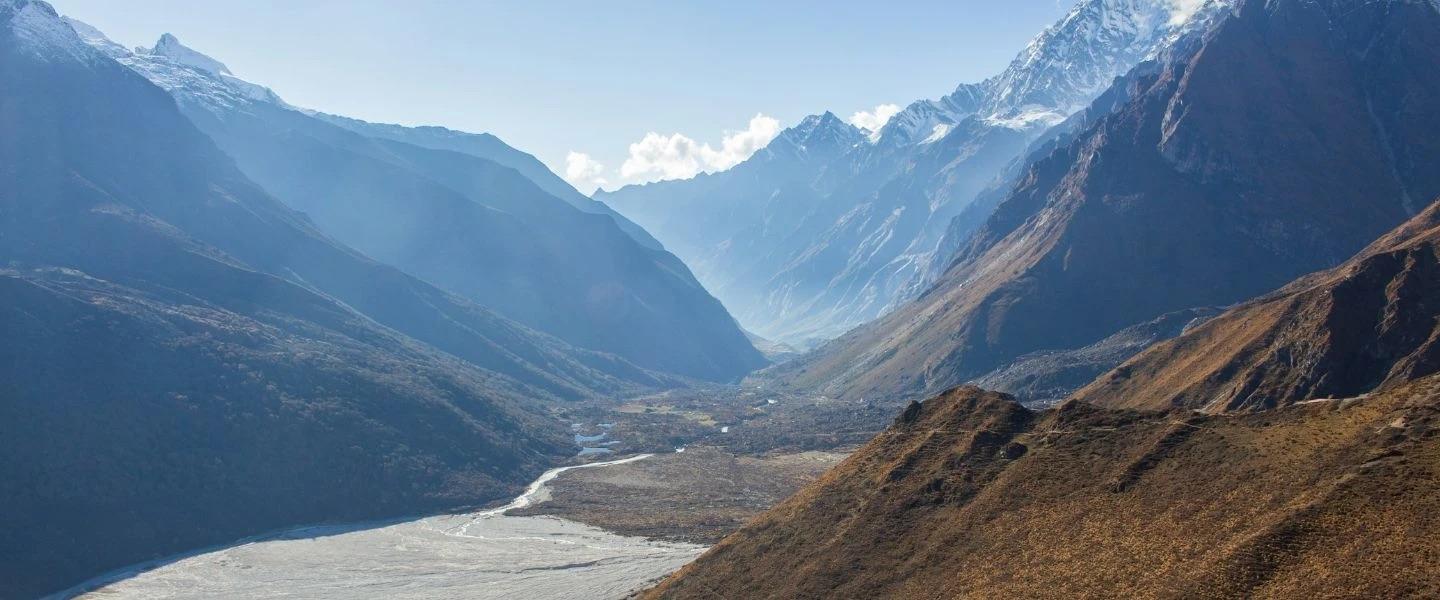
Langtang and Manaslu Trekking Routes Reopen After Floods: What Trekkers Need to Know
Nepal's trekking trails are gradually coming back to life following the devastating floods and landslides that affected several parts of the country in August, September and October 2026. Although the damage was significant, local communities, government authorities and tourism organisations have worked hard to restore access to many of the affected trekking areas.
For travellers planning a Himalayan adventure this season, there is encouraging news. The Langtang Valley, Gosaikunda, Manaslu Circuit, and Tamang Heritage Trail have all been reported accessible, although some routes still require additional care and alternative arrangements. The Tsum Valley, however, was still reported closed in the latest route-status information available to us from 25 October.
At Approved Holidays Pvt. Ltd., we understand that recent events have raised questions among international travellers about whether Nepal is ready to welcome trekkers again. As a local trekking and tour operator based in Kathmandu, we believe it is important to share honest information about the situation rather than simply encourage people to travel.
The good news is that trekking is possible in several affected regions. However, conditions are not yet back to normal everywhere, and checking local conditions before departure remains essential.
In this guide, we explain what happened, which trekking routes have reopened, what travellers should expect on the trails and how to plan a safe and enjoyable trekking holiday in Nepal.
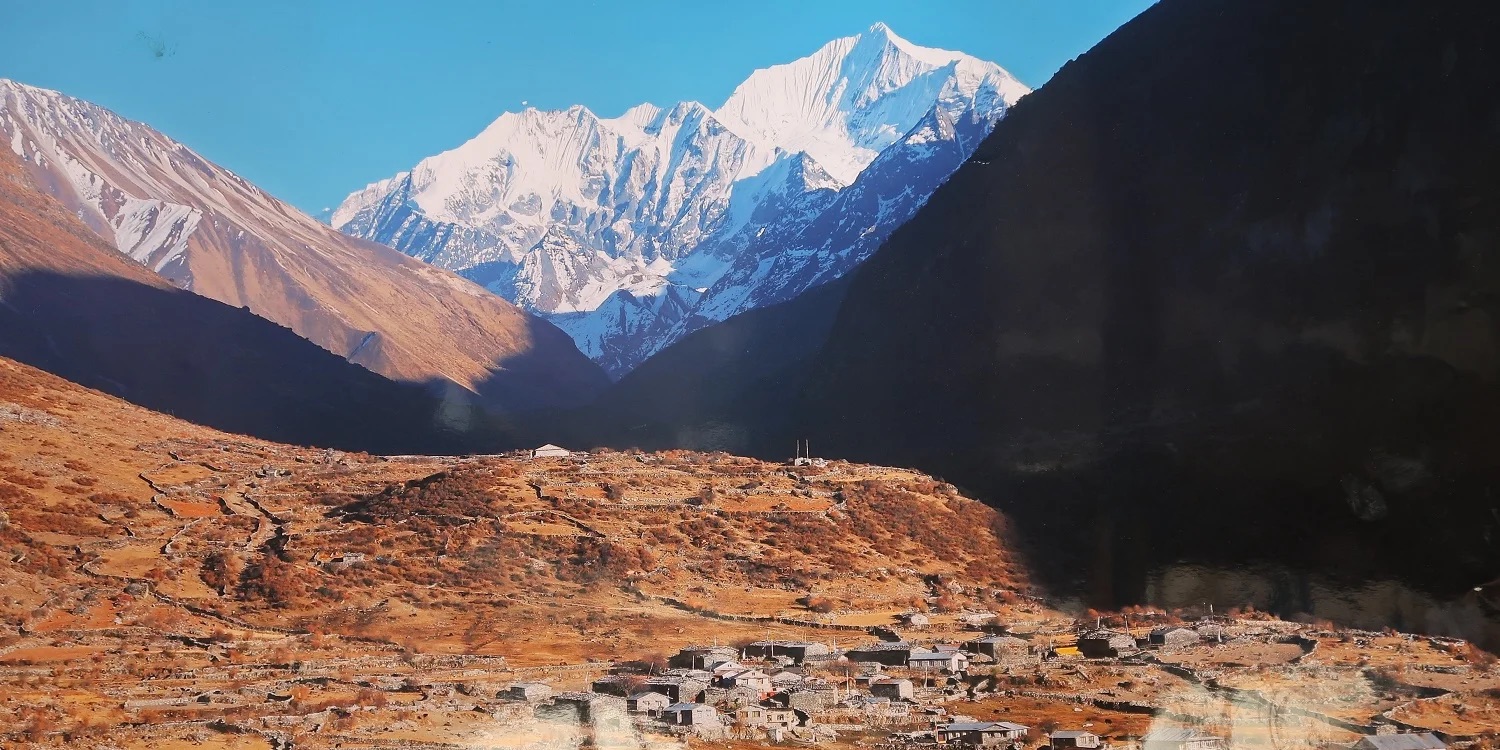
Which Trekking Routes in Nepal Are Open After the Floods?
Several popular trekking destinations have reopened following repair and restoration work. However, accessibility varies from one region to another.
Based on the available reports dated 22–25 October 2026, the situation is as follows:
-
Langtang Valley and Kyanjin Gompa: Open for trekking, with alternative access through Dhunche or Thulo Syabru.
-
Gosaikunda: Open, with access through Thulo Syabru or the Helambu route.
-
Manaslu Circuit and Larke Pass: Open with caution. Some damaged sections have been repaired, while temporary trail arrangements remain in place.
-
Tamang Heritage Trail: Reopened following the construction of a temporary bridge at Syabrubesi.
-
Ruby Valley: Reopened, with access through the same temporary crossing.
-
Tsum Valley: Reported closed following the collapse of a bridge, pending repair and official reopening confirmation.
These developments are encouraging, particularly for local communities whose livelihoods depend heavily on tourism. Nevertheless, a reopened trekking route does not necessarily mean that all roads, bridges, lodges and trails are operating as they did before the floods.
We recommend checking the latest conditions with a local trekking agency before making final arrangements.
What Happened During the Recent Floods in Nepal?
Between late August and mid-October 2026, three major flash-flood incidents affected important trekking corridors in Rasuwa and Gorkha districts.
Each incident caused different levels of damage and disrupted access to some of Nepal's best-known trekking destinations.
26 August 2026: Bhote Koshi Flood in Rasuwa
A sudden flood came down the Bhote Koshi River from the Tibetan side, damaging infrastructure around Syabrubesi and Timure. Several bridges and road sections were affected, disrupting access to the Langtang region.
The incident caused considerable concern among local communities and the tourism industry, particularly because Syabrubesi is the traditional starting point for the Langtang Valley Trek.
6 September 2026: Therang Stream Flood in Gorkha
Another flash flood struck near Namrung along the Manaslu trekking route. Several bridges were damaged or swept away, temporarily interrupting the Manaslu Circuit.
Local residents responded quickly by constructing a temporary wooden bridge, allowing trekkers to resume their journeys on 9 September.
11 October 2026: Budhi Gandaki Flood in Gorkha
The most significant disruption to the Manaslu region came on 11 October, when a major flash flood swept through the lower Budhi Gandaki Valley.
Several houses and bridges were destroyed between Jagat and Soti, including the Dobhan Bailey Bridge. The damage affected important sections of the Manaslu Circuit and made access difficult for both local residents and trekkers.
Since then, local communities, authorities and tourism organisations have been working to restore essential infrastructure and reopen trekking routes.
These efforts demonstrate the resilience of Nepal's mountain communities, many of whom depend on trekking tourism for their livelihoods.
Langtang Valley Trek: Open Again with Alternative Access
The Langtang region is once again welcoming trekkers following improvements to road access and the installation of a Bailey bridge at Betrawati.
Traditionally, the Langtang Valley Trek begins with a drive from Kathmandu to Syabrubesi. However, damage to the motorable bridge between Dhunche and Syabrubesi has affected the usual access arrangement.
According to the available TAAN advisory, trekkers can now reach the region using alternative routes.
Option 1: Start from Dhunche or Thulo Syabru
One option is to drive from Kathmandu through Trishuli and Betrawati towards Dhunche or Thulo Syabru.
From there, the trekking route continues through Bamboo and Lama Hotel before reaching Langtang Village and Kyanjin Gompa.
Although this involves a different starting point from the traditional itinerary, it provides an alternative way to explore the beautiful Langtang Valley.
Option 2: Combine Helambu and Gosaikunda
Travellers with additional time can consider approaching Langtang through Helambu and Gosaikunda.
The route generally follows:
-
Kathmandu to Chisapani or Helambu.
-
Trek to Tharepati and Ghopte.
-
Continue towards the sacred Gosaikunda Lakes.
-
Descend to Thulo Syabru.
-
Continue through Bamboo and Lama Hotel to Langtang Village and Kyanjin Gompa.
This option is particularly attractive for trekkers who want to experience more of the Himalayan landscape and local culture in a single journey.
What About Syabrubesi?
The motorable bridge between Dhunche and Syabrubesi was destroyed during the August flood. Replacement work has been underway, but travellers should not assume that normal vehicle access has been fully restored.
At Approved Holidays, we recommend confirming the latest road conditions before departure so that transport and trekking arrangements can be made accordingly.
Manaslu Circuit Trek: Reopened, but Preparation Is Important
The Manaslu Circuit Trek remains one of Nepal's most rewarding trekking experiences. Its remote mountain villages, Buddhist culture, dramatic landscapes and challenging crossing of Larke La Pass at 5,106 metres make it a favourite among experienced trekkers.
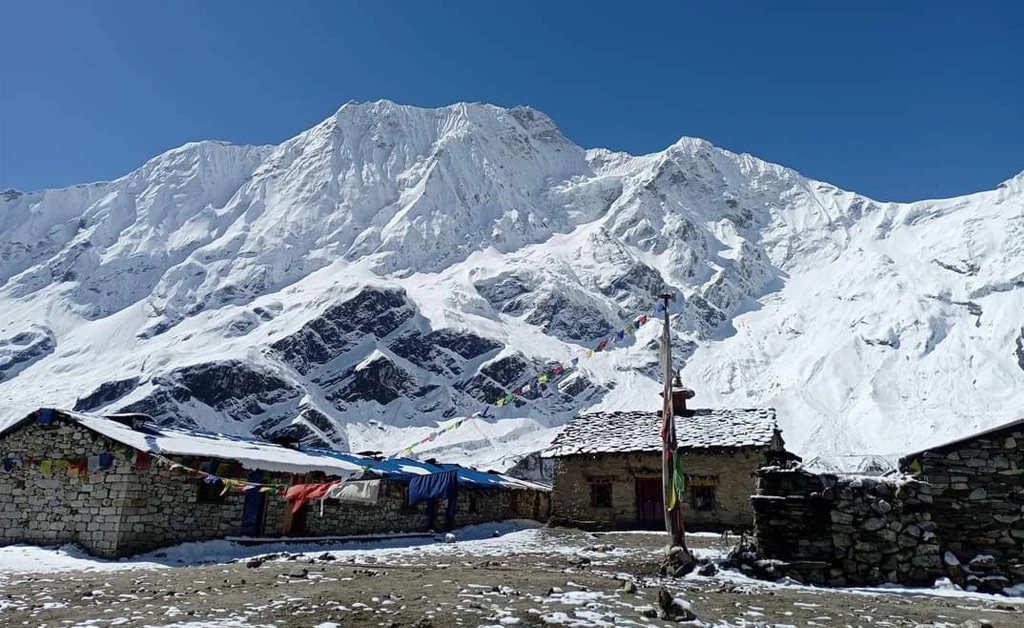
Following the October floods, the route has gradually reopened after repair work on damaged trails, bridges and other infrastructure.
However, this is not a season when trekkers should expect everything to operate as usual.
What Has Changed on the Manaslu Trek?
According to the available reports:
-
Vehicle access is currently reported up to Machhakhola.
-
Trekkers continue on foot towards Jagat and the upper Manaslu region.
-
A new bypass at Yaru Bagar takes approximately 10 minutes and avoids a severely damaged section of the original trail.
-
Some bridges and trekking lodges have been repaired, while others may still be operating with temporary arrangements.
-
Walking times and daily itineraries may need to be adjusted depending on trail conditions.
For anyone planning the Manaslu Circuit this season, a little flexibility will make a big difference.
Our Advice for Manaslu Trekkers
We recommend allowing extra days in your itinerary, confirming accommodation before departure and travelling with an experienced, licensed trekking guide.
The weather around Larke La can change quickly, and snowfall may affect the pass even when the lower sections of the trail are accessible.
Your guide should assess the conditions each day and make decisions based on safety rather than sticking rigidly to a planned schedule.
With appropriate preparation and local support, the Manaslu Circuit remains an excellent Himalayan adventure.
Tamang Heritage Trail and Ruby Valley: Good News for Trekkers
There is also positive news from the Tamang Heritage Trail and Ruby Valley.
Both trekking routes were reported reopened after a temporary bridge was constructed over the Bhote Koshi River at Syabrubesi.
These destinations offer something different from Nepal's busier trekking routes. Instead of focusing only on high mountain passes, they provide opportunities to explore traditional villages, experience local hospitality and learn more about the culture of Himalayan communities.
Tamang Heritage Trail
The Tamang Heritage Trail generally takes around 7–10 days and passes through traditional settlements such as Bahun Danda and Goljung, with Gatlang also featuring in commonly used itineraries.
Along the way, trekkers can enjoy:
-
Traditional Tamang villages and stone-built houses.
-
Buddhist monasteries and colourful prayer flags.
-
Ancient mani walls and local cultural traditions.
-
Views of Ganesh Himal and the Langtang mountain range.
-
Opportunities to experience village life and local hospitality.
It is a wonderful option for travellers interested in culture, nature and less crowded trekking trails.
Ruby Valley Trek
Ruby Valley is another rewarding destination in the Ganesh Himal region.
The route can connect with the Tamang Heritage Trail and includes places such as Somtang, Pangsang Pass, Seto Daha, Kalo Daha and Ganga Jamuna in Dhading.
Compared with some of Nepal's more established trekking destinations, Ruby Valley receives relatively few international visitors. This makes it particularly appealing to travellers looking for a quieter and more authentic experience.
Although both routes have reopened, the temporary bridge at Syabrubesi means access arrangements should still be checked before departure.
Tsum Valley Trek: Still Awaiting Reopening Confirmation
The Tsum Valley is one of the most culturally distinctive trekking destinations in Nepal. Known for its ancient Buddhist monasteries, traditional villages and remote Himalayan setting, it attracts travellers looking for a quieter alternative to the main Manaslu Circuit.
Unfortunately, the October floods caused further disruption to this region.
A cantilever bridge collapsed, resulting in the closure of the Tsum Valley trekking route. According to the TAAN advisory issued on 22 October, reopening was expected after the necessary repairs.
However, the reports available to us as of 25 October did not confirm that the route had officially reopened.
If you are planning the Manaslu Circuit with an extension to Tsum Valley, we recommend checking the current situation before confirming your itinerary.
Our team can also help you consider alternative trekking arrangements if access remains restricted.
Trekking Route Status at a Glance
| Trekking Region | Reported Status |
|---|---|
| Langtang Valley and Kyanjin Gompa | Open |
| Gosaikunda | Open |
| Manaslu Circuit and Larke Pass | Open with caution |
| Tamang Heritage Trail | Reopened |
| Ruby Valley | Reopened |
| Tsum Valley | Closed as of 25 October 2026 |
How to Trek Safely in Nepal After the Floods
Although many trekking routes have reopened, travellers should remember that mountain conditions can change quickly. Some bridges are temporary, certain trails have been repaired recently, and local infrastructure may still be recovering.
A little extra preparation can help make your trekking experience safer and more enjoyable.
Check the Weather Before You Leave
Weather is one of the most important factors when trekking in the Himalayas. Heavy rain can cause landslides and sudden increases in river levels, while snowfall can make high mountain passes difficult to cross.
Always check the latest forecast and follow your guide's recommendations.
Follow Your Guide's Instructions
Temporary bridges and repaired trails require additional care. Cross bridges one at a time, avoid stopping for photographs on them and follow the instructions of your trekking guide.
Keep Away from Riverbanks and Unstable Slopes
Avoid walking or resting close to riverbanks, particularly after rainfall. Similarly, move carefully through landslide-prone areas and follow local advice if a section is considered unsafe.
Start Your Daily Walk Early
Starting early gives you more time to complete the day's walk before afternoon weather conditions become unpredictable.
Carry the Right Equipment
Make sure you have waterproof clothing, warm layers, comfortable trekking boots, a headlamp, a first-aid kit and a power bank.
Allow Some Flexibility in Your Itinerary
Road closures, temporary bridges and trail repairs may affect walking times. Keeping one or two additional days in your schedule can help avoid unnecessary pressure if something changes.
Check Your Travel Insurance
Before travelling, make sure your insurance covers high-altitude trekking and emergency helicopter evacuation.
Most importantly, always follow instructions from your guide and local authorities. A route being open does not mean every section is automatically safe in all weather conditions.
Alternative Trekking Routes If Your Plans Need to Change
If your preferred trekking destination is unavailable, there is no need to abandon your Nepal holiday.
The country has many other beautiful trekking regions, each offering a different experience.
Here are some alternatives worth considering.
Annapurna Circuit Trek
The Annapurna Circuit is a classic Himalayan journey through diverse landscapes, traditional villages and high mountain terrain. The crossing of Thorong La Pass is one of its biggest highlights.
Annapurna Base Camp Trek
For travellers dreaming of walking into the heart of the Annapurna Sanctuary, this trek offers spectacular mountain scenery and an unforgettable close-up view of the surrounding peaks.
Mardi Himal Trek
Mardi Himal is an excellent choice for those looking for a shorter Himalayan adventure. The trail passes through beautiful forests and mountain settlements before reaching spectacular viewpoints overlooking Machhapuchhre and the Annapurna range.
Ghorepani Poon Hill Trek
This is one of the best options for travellers with limited time. The sunrise from Poon Hill, with panoramic views of Annapurna and Dhaulagiri, is a highlight of the journey.
Helambu Circuit Trek
Located relatively close to Kathmandu, Helambu offers peaceful village trails, Buddhist culture and beautiful mountain scenery. It is also an interesting option for travellers who want to explore the region around Langtang.
The best alternative depends on your travel dates, available time, fitness level and trekking experience. Our team can help you choose a route that suits your plans and current local conditions.
Planning Your Nepal Trek with Approved Holidays
At Approved Holidays Pvt. Ltd., we believe that a successful trekking holiday starts with good preparation, honest information and reliable local support.
We are based in Kathmandu and work with experienced local guides, porters, accommodation providers and transport partners across Nepal. Our knowledge of the trekking regions allows us to arrange itineraries according to travellers' interests while taking current trail conditions into account.
We understand that travellers may have concerns about visiting Nepal following the recent floods. Our approach is simple: provide realistic information, check conditions before departure and recommend suitable alternatives whenever necessary.
Whether you are planning a short trek or a longer Himalayan expedition, we can assist with:
-
Private and customised trekking itineraries.
-
Experienced, licensed English-speaking trekking guides.
-
Porter arrangements.
-
Accommodation and transportation.
-
Trekking permits and necessary arrangements.
-
Flexible itineraries based on local conditions.
-
Advice on alternative trekking destinations.
We also encourage travellers to visit responsibly and support local communities. Tourism plays an important role in the recovery of many mountain villages, helping local families, guides, porters, lodge owners and small businesses rebuild their livelihoods.
Your visit can make a meaningful contribution while giving you the opportunity to experience Nepal's extraordinary natural beauty and hospitality.
Frequently Asked Questions About Trekking in Nepal After the Floods
Is the Langtang Valley Trek open in November 2026?
The Langtang Valley was reported open in the TAAN advisory issued on 22 October 2026. However, road access and bridge conditions may have changed since then. Check the latest local information before departure.
Can I do the Manaslu Circuit Trek after the October floods?
The Manaslu Circuit was reported open with caution following partial restoration work. Some sections may still require alternative arrangements, so travelling with an experienced local guide is particularly important.
Is the Tsum Valley Trek open now?
The Tsum Valley was reported closed as of 25 October following a bridge collapse. Travellers should obtain official confirmation of reopening before planning this route.
Are the Tamang Heritage Trail and Ruby Valley accessible?
Both routes were reported reopened after a temporary bridge was constructed at Syabrubesi. However, travellers should confirm the latest crossing and transport arrangements.
Is it safe to visit Nepal for trekking in 2026?
Yes, several major trekking destinations have reopened, and Nepal continues to welcome international visitors. However, conditions differ between regions. It is important to check the latest route information and weather conditions before travelling.
Can Approved Holidays arrange an alternative trek if my original route is closed?
Yes. We can review your travel dates, interests and available time and suggest another suitable trekking destination. We aim to make your Nepal holiday enjoyable while prioritising safety.
Should I book a trekking holiday in Nepal for 2027?
Absolutely. Nepal remains one of the world's leading trekking destinations, with a wide choice of routes for different fitness levels and travel preferences. We recommend booking through a reliable local agency and checking regional conditions before departure.
Nepal Is Ready to Welcome You Again!
Nepal's mountains have always been a source of inspiration, adventure and unforgettable experiences. While the recent floods have brought challenges to several mountain communities, the determination of local people and ongoing restoration work have helped bring tourism back to many affected regions.
For travellers, this is an opportunity to experience Nepal while also supporting the communities that make these journeys so special.
Whether you are interested in the Langtang Valley, Manaslu Circuit, Tamang Heritage Trail, Annapurna Base Camp or a customised Himalayan adventure, the team at Approved Holidays is ready to help you plan your journey.