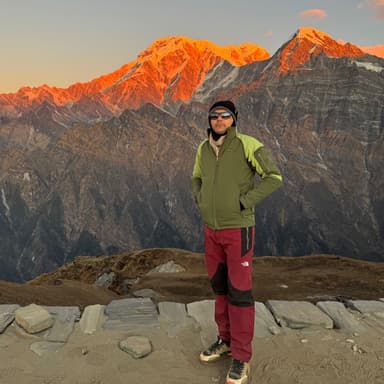
If you’ve ever stood atop Poon Hill at sunrise, you’ve likely experienced two things simultaneously: a breathtaking view of the Annapurna range and the distinct feeling of being in a packed stadium. While the "Annapurna Classics" are legendary for a reason, the pulse of the Himalayas has shifted. In 2026, the discerning trekker is looking for what the industry calls "The Quiet Trails."
Enter the Khopra Ridge (Khopra Danda) Trek. It is the ultimate middle ground—offering views that arguably dwarf Poon Hill, a sacred high-altitude lake that tests your grit, and a community-led lodging system that ensures your tourism dollars actually reach the local schoolhouse.
This is the definitive, deep-dive guide to everything you need to know about trekking Khopra Ridge.
The "Anti-Poon Hill": Why Choose Khopra Ridge?
For decades, the Ghorepani-Poon Hill circuit was the gold standard for "short and sweet" trekking. But popularity breeds commercialism. On the way to Poon Hill, you’ll find Wi-Fi signs every ten feet and menus that look suspiciously like a mid-range Italian bistro.
Khopra Ridge is the antidote. Located just a few ridges over, it remains remarkably untouched. Here, the "crowd" might consist of a herd of yaks and three other trekkers you’ve been "leap-frogging" since Ghandruk.
1. The Elevation Advantage
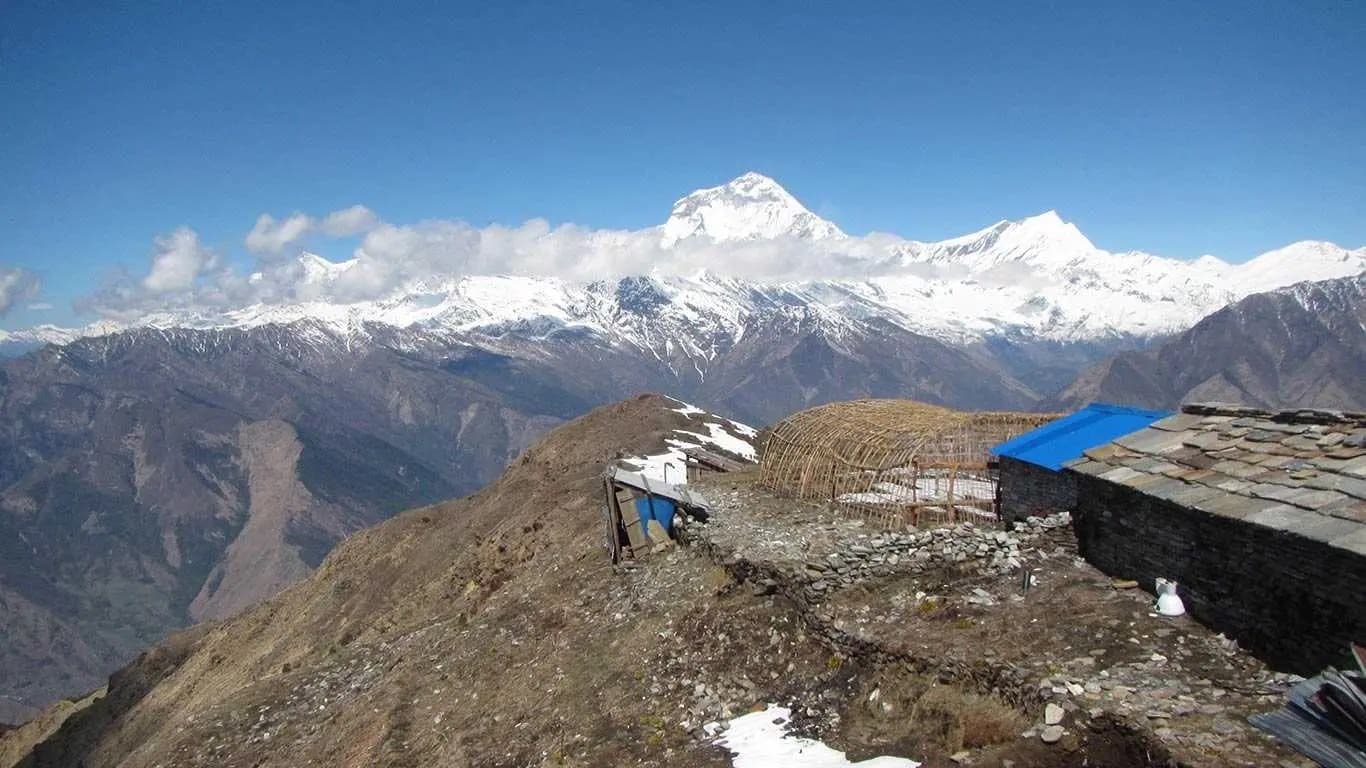
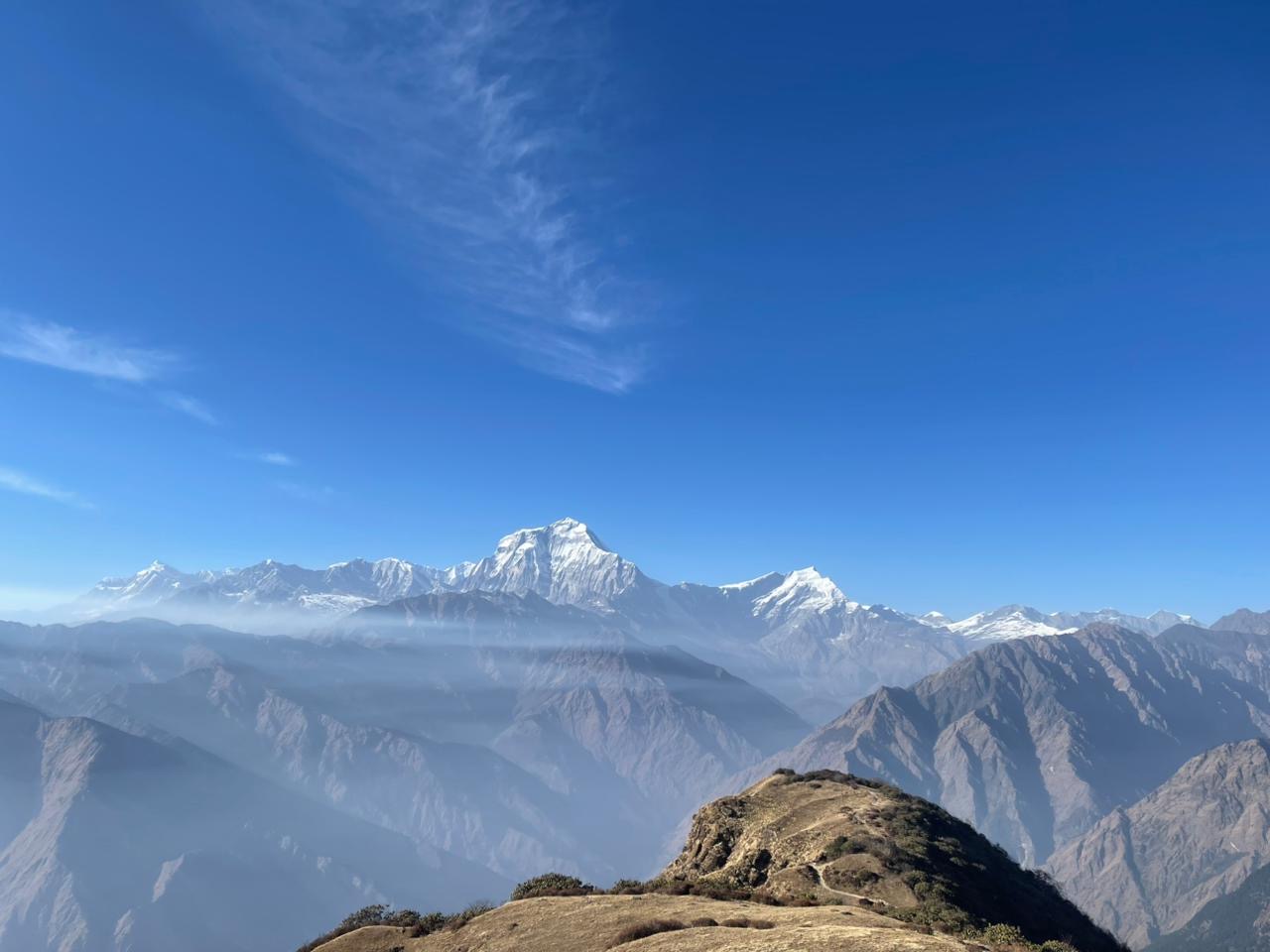
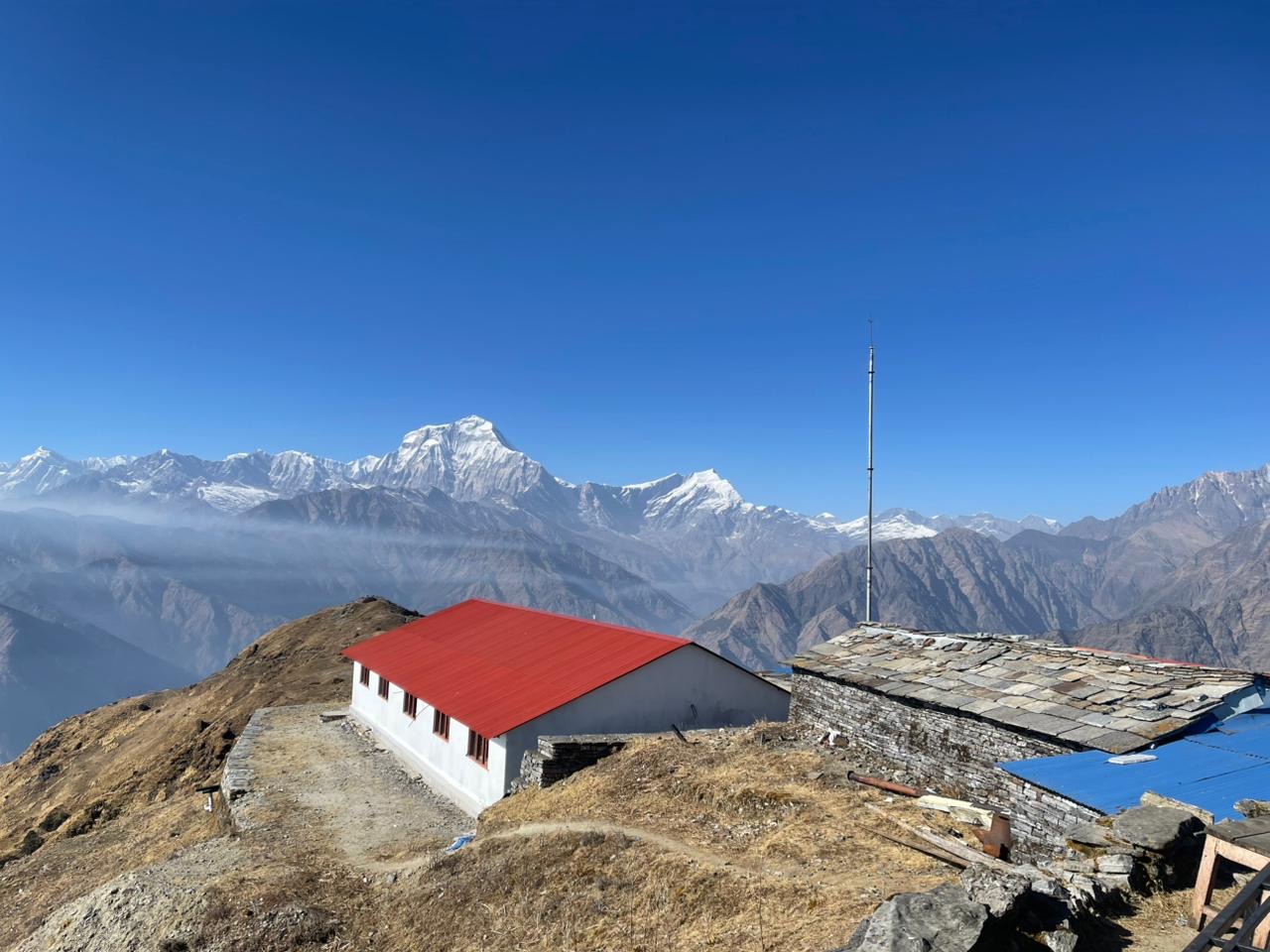
At 3,210m, Poon Hill is a respectable viewpoint. However, Khopra Ridge sits at 3,660m. That extra 450 meters makes a world of difference. At Khopra, you aren't just looking at the mountains; you feel like you are on a level playing field with them. The massive wall of Dhaulagiri (8,167m)—the seventh-highest mountain in the world—looms so close across the Kali Gandaki Gorge that it feels like you could reach out and touch the ice.
2. The Community Lodge Model
Perhaps the most compelling reason to choose this trail is the Community Lodge Trekking system. Unlike the private teahouses on other routes, these lodges were built and are managed by the local communities of Swanta, Nangi, and Paudwar. The profits aren't just lining an individual owner's pockets; they are funneled directly into local education and healthcare. By trekking here, you are a literal patron of the local school system.
3. The "Two-for-One" Viewpoint
Choosing this route doesn't mean you miss out on the classics. Our itinerary includes Muldai Viewpoint, which many veterans claim is the "real" best view in the Annapurna region, and ends with the classic Poon Hill descent.
Short Itinerary: At a Glance
For those planning their logistics, here is the breakdown of the 12-day journey.
| Day | Activity | Altitude | Distance | Duration |
| 01 | Arrive at Tribhuwan International Airport | 1,400 m | N/A | 45 mins |
| 02 | Drive to Pokhara | 822 m | 204 km | 6-7 hours |
| 03 | Drive to Kimche & Trek to Ghandruk | 1,940 m | 5 km | 2-3 hours |
| 04 | Trek Ghandruk to Tadapani | 2,590 m | 6 km | 4 hours |
| 05 | Trek Tadapani to Dobato | 3,420 m | 7 km | 5-6 hours |
| 06 | Trek Dobato to Chistibung | 2,975 m | 7 km | 4 hours |
| 07 | Trek Chistibung to Khopra Ridge | 3,660 m | 5 km | 3 hours |
| 08 | Descend Khopra Ridge to Swanta Village | 2,200 m | 7 km | 5 hours |
| 09 | Trek Swanta Village to Ghorepani | 2,880 m | 10 km | 5-6 hours |
| 10 | Hike to Poon Hill, Trek to Banthanti & Drive to Pokhara | 3,210 m | 6 km | 4-5 hours |
| 11 | Drive back from Pokhara to Kathmandu | 1,400 m | 204 km | 6-7 hours |
| 12 | Departure | 1,400 m | N/A | N/A |
Detailed Day-by-Day Narrative
Day 1: The Kathmandu Chaos
Your journey begins in Kathmandu. The air is thick with incense and dust, and the streets of Thamel are a labyrinth of gear shops and bakeries. Use this day to finalize your ACAP and TIMS permits.
Day 2: The Road to Pokhara
The 204 km drive to Pokhara is a rite of passage. In 2026, the highway improvements have made it smoother, but it still takes a full day. Pokhara is your "soft landing" before the trek. Enjoy a meal by Phewa Lake; it’s the last time you’ll see a flat road for a while.
Day 3: Ghandruk—The Gurung Gateway
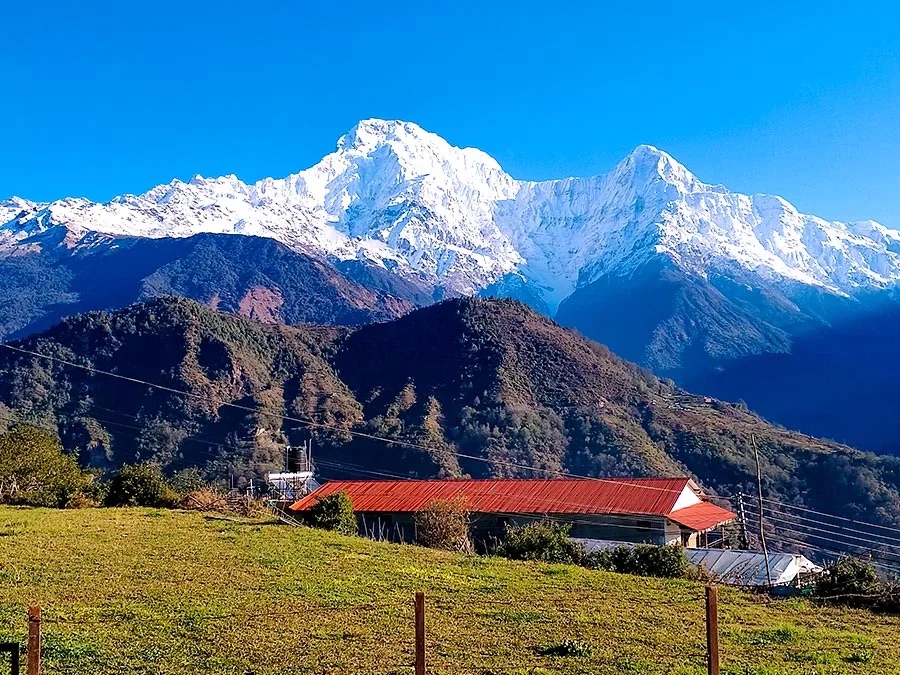
After a short drive to Kimche, the trekking begins. Ghandruk is a stunning village of slate-roofed houses. It serves as a cultural hub where you can visit the Gurung Museum. The view of Annapurna South and Machhapuchhre (Fishtail)from here is just a teaser of what’s to come.
Day 4: Into the Rhododendron Wild
The trail from Ghandruk to Tadapani is a steady climb through moss-covered forests. If you’re trekking in late March, the hills are literally on fire with red and pink rhododendrons. Tadapani is a small cluster of lodges that offers a spectacular sunset over the peaks.
Day 5: The "Hidden Path" to Dobato
This is where you leave the main tourist highway. While the crowds turn left toward Ghorepani, you will veer right into the deep forest. The trail becomes narrower and quieter. Dobato is a high-altitude clearing. If you have any energy left, hike up to Muldai Peak for sunset. It offers a 360-degree panorama that puts Poon Hill to shame.
Day 6 & 7: The Final Push to the Ridge
From Dobato, you descend slightly to Chistibung before the "vertical day." The climb to Khopra Ridge is grueling but rewarding. As you crest the ridge, the world opens up. You are standing on a grassy spine with the massive wall of Dhaulagiri directly in front of you. The Khopra Community Lodge is one of the most spectacularly located buildings in the world.
Day 8: The Great Descent to Swanta
Today is a "knee-cruncher." You drop over 1,400 meters in altitude. The terrain shifts from alpine scrub back into lush farmland. Swanta is a charming, quiet village where you can finally enjoy a hot shower and celebrate with local Marpha (apple brandy).
Day 9 & 10: The Classic Finish
You’ll rejoin the main trail at Ghorepani. On Day 10, wake up early for the "classic" Poon Hill sunrise. Even with the crowds, it’s a beautiful sight. Then, descend through Banthanti to meet your jeep and return to the luxury of a real bed in Pokhara.
The "Holy Grail" Side Trip: Khayer Lake (4,660m)
If you are physically fit and have an extra day (or can push your limits on Day 7/8), the pilgrimage to Khayer Lake is the soul of this trek.
-
The Journey: It is a 9–11 hour round trip from the Khopra Lodge.
-
The Altitude: At 4,660m, the air is thin. You must be well-acclimatized.
-
The Significance: For Hindus, the lake is sacred. They believe bathing in its freezing waters grants Nirvana. Even for the non-religious, the sight of the turquoise water reflecting the jagged ice of Annapurna South is a spiritual experience.
Logistics, Food, and "The Ridge Life"
What’s for Dinner?
Don’t expect a five-page menu at the community lodges. The food is simple, hearty, and locally sourced.
-
Dal Bhat: The undisputed king. Lentil soup, rice, and vegetable curry. It’s "Power 24 Hour."
-
Gurung Bread: Deep-fried dough that is essentially a Himalayan donut.
-
Yak Cheese: Often available in this region. It’s salty, hard, and delicious.
Connectivity
In 2026, Ncell and Nepal Telecom have decent coverage in the lower villages. However, once you hit the ridge, the signal is "Himalayan"—meaning it works perfectly until you actually need to send an email. Most lodges offer Wi-Fi for 300–500 NPR, but don't count on it for streaming.
Water Safety
Do not buy plastic water bottles. It’s a plague on the mountains. Use purification tablets or a filter (like a Sawyer Squeeze or LifeStraw). The lodges also provide "Safe Drinking Water" for a small fee.
Essential Packing List
The weather on Khopra Ridge is temperamental. You can be in a T-shirt at noon and a down jacket by 4:00 PM.
-
Footwear: Broken-in trekking boots. Do not wear them for the first time on the trail.
-
Layers: * Base layer (merino wool).
-
Mid-layer (fleece).
-
Outer shell (waterproof/windproof).
-
The Big Down Jacket: Essential for the evenings at 3,600m.
-
-
Trekking Poles: Your knees will thank you during the 1,400m descent to Swanta.
-
Power Bank: Batteries die 30% faster in the cold. Keep your phone inside your sleeping bag at night.
Frequently Asked Questions (FAQs)
1. Is Khopra Ridge harder than Annapurna Base Camp (ABC)?
In terms of total days, no. But in terms of daily incline, yes. The climb to Khopra Ridge is steeper and more sustained than most sections of the ABC trek. The day trip to Khayer Lake is also higher in altitude than ABC (4,130m).
2. Can I do this trek solo?
As of 2023, and continuing into 2026, the Nepal government requires all foreign trekkers in national parks to be accompanied by a licensed guide. This is for safety and to support the local economy.
3. Will I see the "Fishtail" mountain?
Absolutely. Machhapuchhre (Fishtail) is visible from almost every point on the trek until you get behind the ridge at Khopra.
4. How much does the trek cost in 2026?
Budget roughly $60–$80 USD per day for food, lodge, and guide/porter services. This doesn't include permits or transport.
5. What is the best month to go?
March to May for the flowers, or October to November for the clearest mountain views.
6. Do I need to bring my own sleeping bag for the community lodges?
While the community lodges provide blankets, they are often not enough for the freezing temperatures on the ridge (3,660m). We highly recommend bringing a four-season sleeping bag (rated to -10°C or lower) for hygiene and guaranteed warmth during the winter and shoulder seasons.
7. Is there a risk of altitude sickness (AMS) on this trek?
Yes. While the ridge sits at 3,660m, the side trip to Khayer Lake reaches 4,660m. This is high enough for Acute Mountain Sickness. It is vital to follow the "climb high, sleep low" rule, stay hydrated, and never ignore symptoms like persistent headaches, nausea, or dizziness.
8. Can I charge my phone and camera on the ridge?
Yes, most community lodges have solar charging facilities in the common dining areas. However, expect to pay a small fee (200–500 NPR) per device. Pro Tip: Carry a high-capacity power bank and keep your batteries inside your sleeping bag at night, as the cold drains battery life rapidly.
9. Are there hot showers available at the Khopra Community Lodge?
In the lower villages like Ghandruk and Swanta, gas geyser showers are common. On the ridge itself, "showers" usually consist of a bucket of hot waterprovided for a small fee. At 3,660m, most trekkers opt for wet wipes to avoid catching a cold!
10. What is the difference between the "Annapurna Panorama" and Khopra Ridge?
The Annapurna Panorama (Ghorepani/Poon Hill) stays below the tree line and focuses on the sunrise over the peaks. Khopra Ridge takes you above the tree line and places you on a high alpine ridge, providing a much more intimate, "eye-to-eye" experience with the 8,000-meter giants.
11. Is the Khopra Ridge trail safe for female solo trekkers?
Nepal is generally very safe for women. However, under the 2026 regulations, you must have a licensed guide. This provides an extra layer of safety and local navigation. The community lodge staff are known for being exceptionally welcoming and protective of their guests.
12. Will I see yaks on this trail?
Yes! Unlike the lower Annapurna trails, Khopra Ridge is home to several yak pastures and breeding farms managed by the local community. You will likely encounter herds of yaks or "Dzo" (a yak-cow cross) grazing along the ridge.
13. What happens if there is an emergency?
Since Khopra is a "hidden" trail, it is less accessible than the main routes. If a serious injury or severe AMS occurs, helicopter evacuation is the only rapid option. Ensure your travel insurance specifically covers trekking up to 5,000m and includes emergency heli-evacuation.
14. Are the trails well-marked?
The main route to Ghandruk and Ghorepani is very well-marked. However, the section between Tadapani – Dobato – Khopra is more rugged and can be confusing in the fog. This is why having a guide is not just a legal requirement, but a safety essential.
15. Can I get laundry done during the trek?
You can hand-wash small items in villages like Ghandruk or Swanta, but clothes take a long time to dry in the humid forest air. It is best to pack enough moisture-wicking layers to last the duration of the trek and save the laundry for your return to Pokhara.
Conclusion
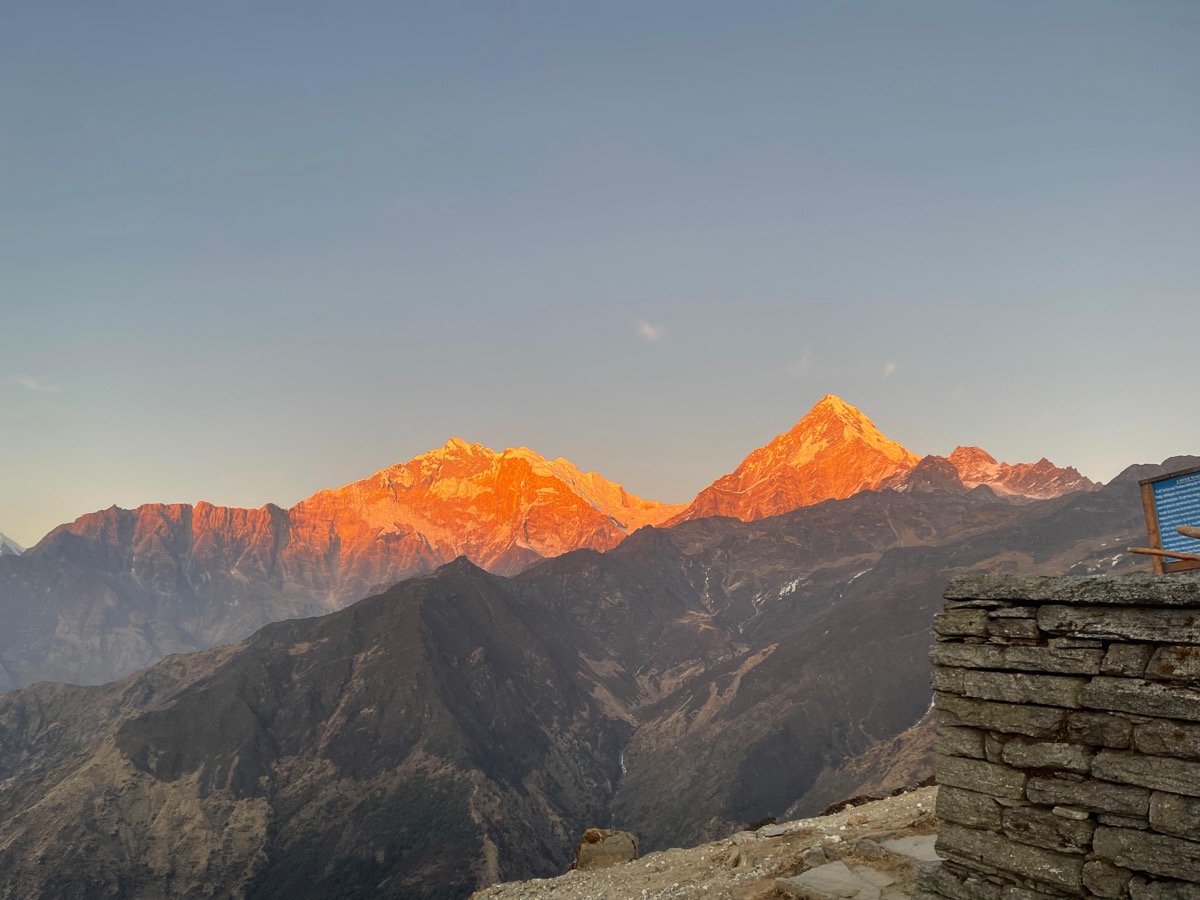
As you stand on the shores of Khayer Lake or watch the first light of a Himalayan morning ignite the summit of Dhaulagiri, you realize that the Khopra Ridge Trek isn’t just about the physical distance covered or the altitude gained. It is a journey into the heart of what trekking in Nepal was always meant to be: a harmonious blend of raw natural power and deep human connection.
The Luxury of Silence
In our hyper-connected, 2026 digital world, true silence has become the ultimate luxury. On the Khopra trail, that silence is your constant companion. It is found in the mist clinging to the rhododendron trees in Dobato, in the steady rhythm of your own breathing on the final climb to the ridge, and in the quiet crackle of the wood stove in a community lodge. By stepping off the "tourist highway" of the main Annapurna circuit, you aren't just avoiding crowds; you are making space for yourself.
A Legacy of Sustainable Travel
Choosing Khopra Ridge is a conscious decision to be a better traveler. In an era where "over-tourism" is a constant headline, this trek offers a blueprint for the future. Through the Community Lodge model, your presence has a measurable, positive impact. The bowl of Dal Bhat you eat helps pay a teacher's salary in Swanta; the room you stay in helps maintain a mountain clinic. This is travel as an act of partnership, not just consumption. You leave the ridge with memories, but you also leave behind a contribution to the resilience of these mountain communities.
The Final Descent
Eventually, the trek must end. You will descend from the thin, crisp air of the high ridge back into the humid greenery of the lower valleys. Your legs will be tired, your skin will be sun-burned, and you will likely be dreaming of a wood-fired pizza in Pokhara. But something will have shifted.
When you look back at the Annapurna Massif from the window of your flight out of Kathmandu, you won't just see a wall of rock and ice. You will see a place where you tested your limits, where you were welcomed as a guest rather than a customer, and where you found a "hidden trail" that leads not just to a viewpoint, but to a deeper understanding of the Himalayas.
Your Journey Begins Now
The Khopra Ridge Trek is waiting. It is rugged, it is steep, and it is spectacularly beautiful. It is a trail for the dreamers, the adventurers, and those who believe that the best views are the ones you have to work the hardest for.
Nepal is changing, and the window to experience "the trail beyond the crowds" is precious. Don't wait for these paths to become the new mainstream. Pack your layers, lace up your boots, and prepare to find your own rhythm on the ridge. The 8,000-meter giants are standing tall, the rhododendrons are preparing to bloom, and the community of Khopra is ready to welcome you home.
The Himalayas are calling. How will you answer?