Is the Annapurna Base Camp Trek Suitable for Beginners? Everything You Need to Know
Have you ever dreamed of standing beneath the mighty Himalayan peaks, surrounded by snow-covered mountains, beautiful forests, and breathtaking landscapes? If trekking in Nepal is on your bucket list but you have never experienced a multi-day Himalayan trek, you might be wondering whether the Annapurna Base Camp Trek is right for you.
The good news is that you don't need to be an experienced trekker to reach Annapurna Base Camp.
The Annapurna Base Camp (ABC) Trek is one of Nepal's most popular trekking adventures and a wonderful introduction to the Himalayas. Although the journey involves several hours of walking each day and some challenging uphill sections, it is achievable for beginners with reasonable fitness, proper preparation, and a well-planned itinerary.
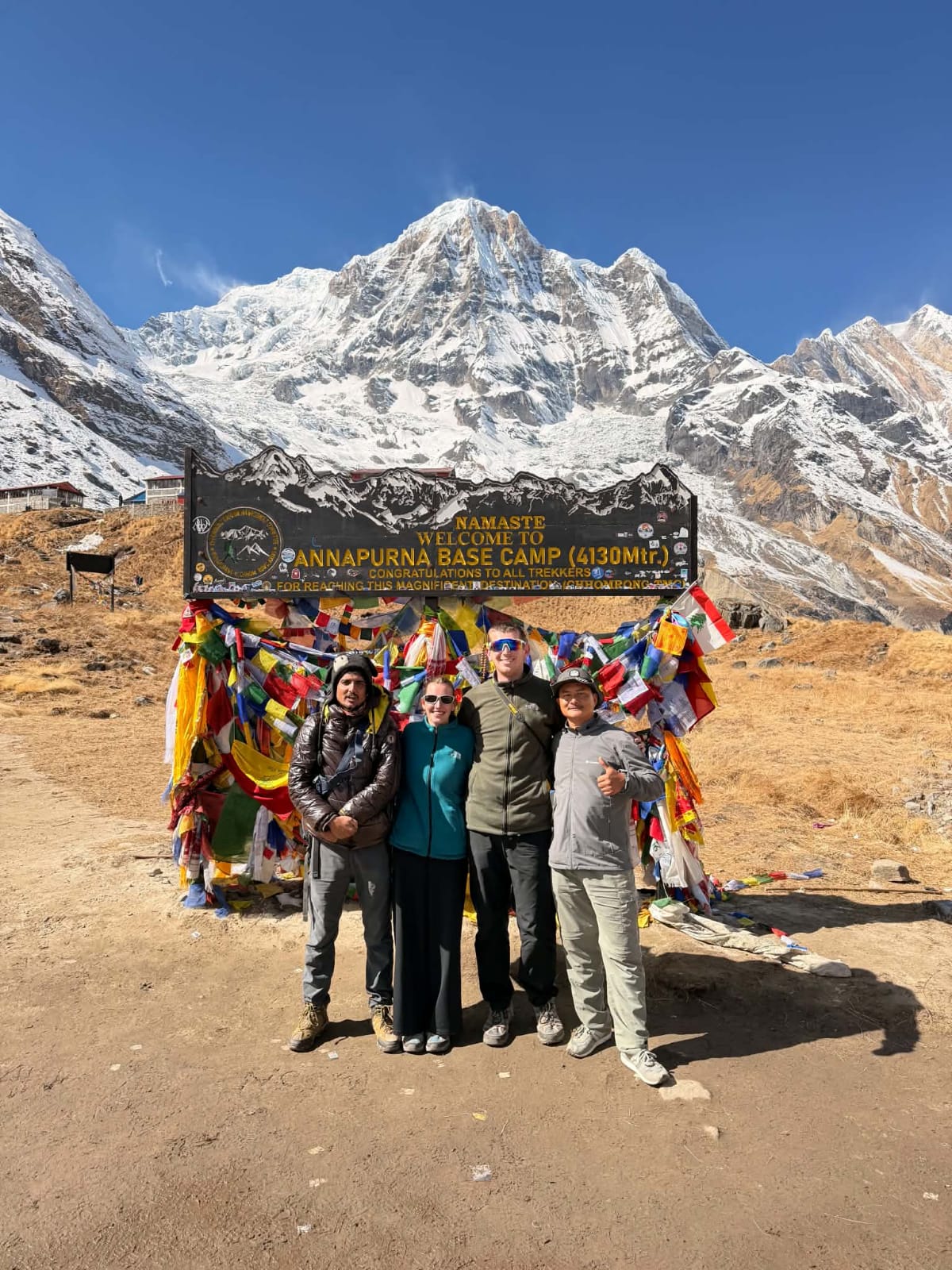
Located at an altitude of 4,130 metres (13,550 feet), Annapurna Base Camp takes you deep into the spectacular Annapurna Sanctuary. Along the way, you will walk through traditional mountain villages, peaceful forests, terraced hillsides, and beautiful landscapes while enjoying incredible views of the surrounding Himalayan peaks.
At Approved Holidays, we have helped travellers from different parts of the world discover Nepal's mountains. We understand that first-time trekkers often have questions about fitness, altitude, accommodation, trekking difficulty, and safety.
In this guide, we will answer those questions and explain what you should expect before setting off on your Annapurna Base Camp adventure.
Why Is Annapurna Base Camp a Good Choice for First-Time Trekkers?
One of the reasons the Annapurna Base Camp Trek attracts so many beginners is that it offers an authentic Himalayan trekking experience without requiring technical climbing skills.
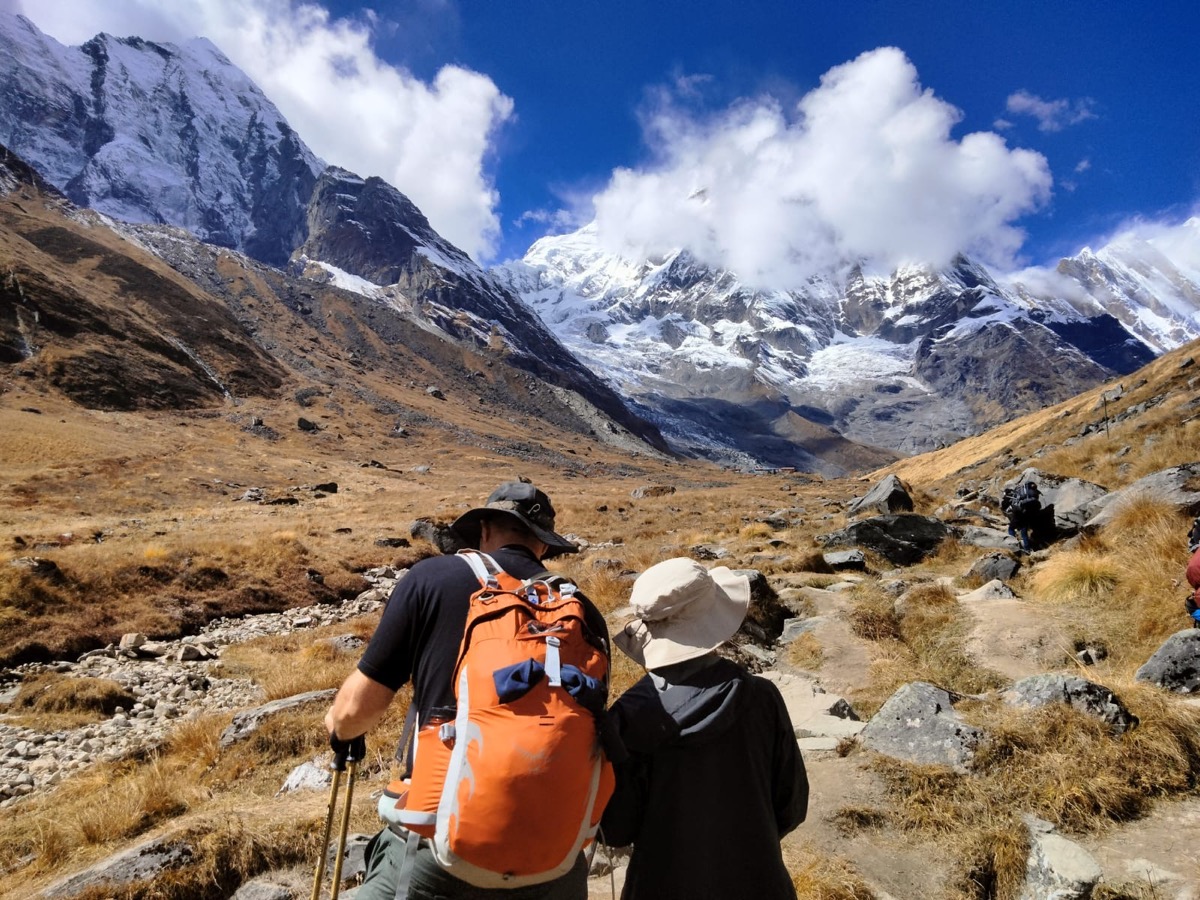
You don't need ropes, mountaineering equipment, or previous high-altitude trekking experience. Most of the journey follows established mountain trails, although some sections involve steep stone staircases and uneven terrain.
The experience is also incredibly varied.
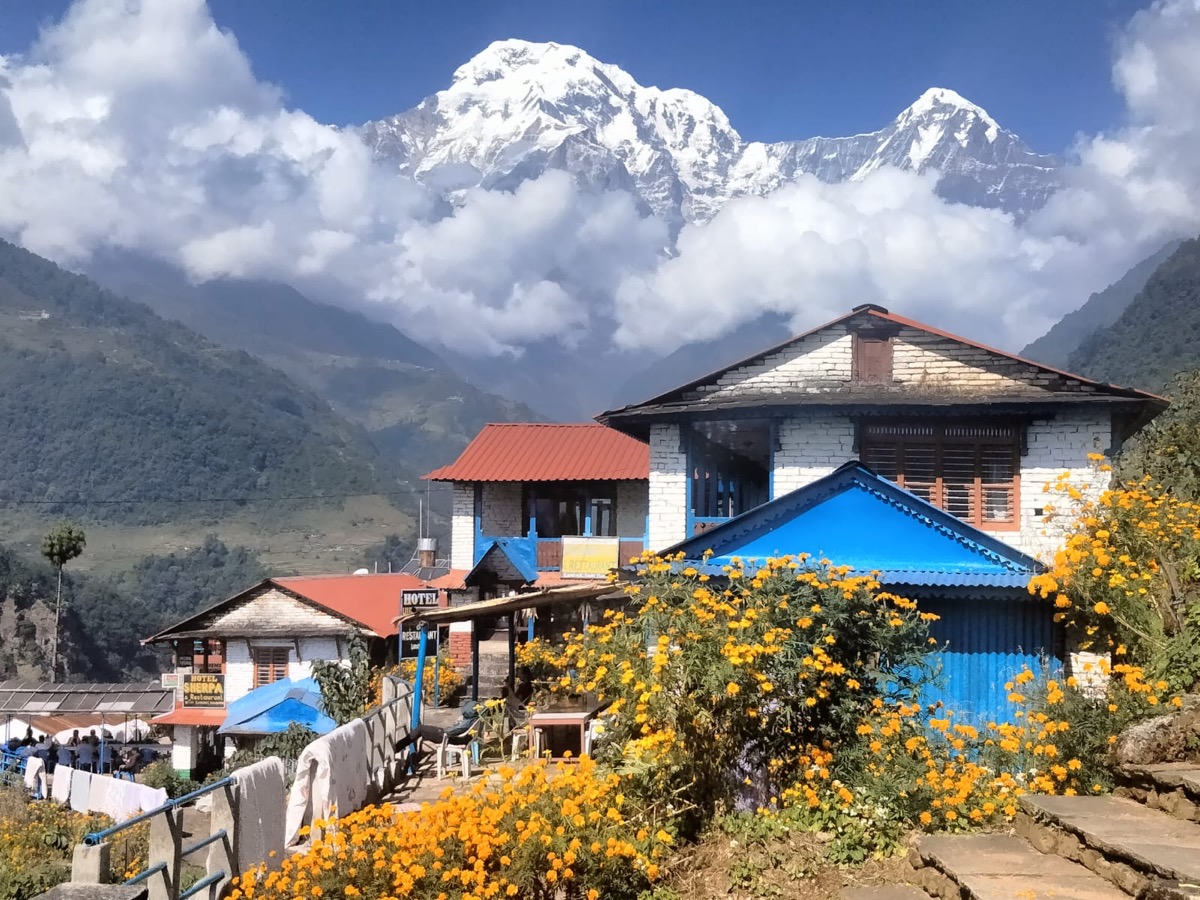
Your journey begins among green hills, terraced farmland, and traditional villages. As you gain elevation, the landscape gradually changes into beautiful rhododendron forests, bamboo groves, rocky mountain trails, and eventually the dramatic alpine surroundings of the Annapurna Sanctuary.
Some of the highlights include:
-
Walking through traditional Gurung villages such as Ghandruk and Chhomrong.
-
Exploring beautiful rhododendron and bamboo forests.
-
Enjoying spectacular views of Machhapuchhre (Fishtail), Annapurna South, Hiunchuli, and Annapurna I.
-
Experiencing the warmth and hospitality of local mountain communities.
-
Spending a memorable night surrounded by towering Himalayan mountains at Annapurna Base Camp.
Another advantage is the availability of teahouses along the main trekking route. These small mountain lodges provide basic accommodation, meals, and a comfortable place to rest after a day on the trail.
For someone planning their first trekking holiday in Nepal, ABC offers a rewarding combination of natural beauty, local culture, and adventure.
If you would like to explore the full journey, take a look at our Annapurna Base Camp Trek package.
How Difficult Is the Annapurna Base Camp Trek?
The Annapurna Base Camp Trek is generally considered a moderate-level trek.
However, it is important to understand what moderate means in the mountains. You will be walking for approximately five to seven hours on many trekking days. Some sections involve long uphill climbs, steep stone steps, and equally demanding descents.
The trek does not require technical climbing abilities, but good stamina and a positive attitude will make the experience much more enjoyable.
Here is a general overview:
-
Trekking duration: Approximately 10–12 days.
-
Maximum altitude: 4,130 metres (13,550 feet).
-
Daily walking: Around 5–7 hours.
-
Trail conditions: Stone staircases, forest paths, rocky trails, and mountain tracks.
-
Technical difficulty: No technical climbing skills required.
The biggest challenge for many beginners is not the distance itself but the continuous walking and elevation changes.
Our advice is simple: take your time, walk at a comfortable pace, and enjoy the journey instead of worrying about reaching the destination quickly.
How Fit Do You Need to Be for Annapurna Base Camp?
You don't need to spend hours in a gym or become a professional athlete before attempting this trek. However, arriving in Nepal with some basic physical preparation will make a noticeable difference.
Ideally, you should be comfortable walking for several hours, climbing stairs, and handling uphill trails.
If you can comfortably complete a three- to four-hour hike and maintain a steady walking pace, you already have a good starting point.
How to Prepare Before Your Trek
We recommend beginning your preparation around six to eight weeks before departure.
1. Start walking regularly
Go for regular walks and gradually increase your walking distance. Try to include some uphill routes whenever possible.
2. Practise climbing stairs
Stone staircases are a regular feature of the Annapurna trail. Stair climbing is an excellent way to prepare your legs.
3. Improve your cardiovascular fitness
Cycling, jogging, swimming, and brisk walking can help improve your stamina.
4. Strengthen your legs
Focus on exercises that strengthen your thighs, calves, hips, and core muscles.
5. Go on weekend hikes
If possible, practise walking on uneven terrain while carrying a small backpack. This helps your body adjust to the conditions you will experience during the trek.
Remember, regular preparation is far more useful than trying to complete intense workouts just a few days before departure.
Recommended 11-Day Annapurna Base Camp Trek Itinerary
For beginners, we recommend a comfortable itinerary that allows enough time to enjoy the surroundings and adjust to the increasing altitude.
Here is an example of an 11-day itinerary.
Day 1: Arrival in Kathmandu (1,350m)
Welcome to Nepal! Upon arrival at Tribhuvan International Airport, our representative will meet you and transfer you to your hotel. You can spend the rest of the day relaxing and preparing for your adventure.
Day 2: Kathmandu to Pokhara and Drive to Ghandruk (1,940m)
Travel towards Pokhara and continue by road to Ghandruk, one of the most beautiful traditional Gurung villages in the Annapurna region. Enjoy the surrounding mountain scenery and local village atmosphere.
Day 3: Ghandruk to Chhomrong (2,170m)
Your trekking adventure begins. Walk through beautiful villages, terraced farmland, and forest trails before reaching Chhomrong, a popular overnight stop with wonderful mountain views.
Day 4: Chhomrong to Bamboo (2,310m)
Descend the stone staircases towards Chhomrong Khola before climbing through forested trails. Enjoy the peaceful surroundings as you continue towards Bamboo.
Day 5: Bamboo to Deurali (3,230m)
Today's trail takes you deeper into the Annapurna Sanctuary. Walk through bamboo forests and narrow mountain valleys as the scenery gradually becomes more alpine.
Day 6: Deurali to Machhapuchhre Base Camp and Annapurna Base Camp (4,130m)
This is one of the most memorable days of the entire journey.
Continue towards Machhapuchhre Base Camp before reaching Annapurna Base Camp. As you enter the sanctuary, the surrounding Himalayan peaks create an extraordinary natural amphitheatre.
Take time to enjoy the spectacular scenery. You have reached the heart of the Annapurna mountains!
Day 7: Annapurna Base Camp to Bamboo (2,310m)
Wake up early to experience the beautiful sunrise over the Himalayan peaks. After breakfast, begin descending along the familiar trail towards Bamboo.
Day 8: Bamboo to Jhinu Danda (1,760m)
Continue through forest trails and traditional settlements towards Jhinu Danda. If conditions and local access permit, you can relax in the natural hot springs.
Day 9: Jhinu Danda to Pokhara
Complete the final trekking section towards the roadhead and drive back to Pokhara. Enjoy a relaxing evening around Phewa Lake.
Day 10: Pokhara to Kathmandu
Return to Kathmandu by tourist vehicle or flight, depending on your travel arrangements.
Day 11: Final Departure
Our team will arrange your airport transfer for your onward journey.
Please note: This is a suggested itinerary. The actual route, transportation, overnight stops, and walking hours may vary depending on weather, road conditions, individual fitness, and local trail conditions.
When Is the Best Time for Beginners to Trek to Annapurna Base Camp?
Choosing the right season can make a big difference, especially if this is your first Himalayan trekking experience.
Nepal has two particularly popular trekking seasons: spring and autumn.
Autumn (September to November)
Autumn is one of the best times to visit the Annapurna region. The monsoon rains gradually disappear, leaving clearer skies and beautiful mountain views.
October and November are especially popular because of generally stable weather, pleasant daytime temperatures, and excellent visibility.
Spring (March to May)
Spring is another wonderful season for trekking. The forests become colourful with blooming rhododendrons, the weather is generally pleasant, and the mountain scenery is beautiful.
March and April are particularly attractive months for nature lovers and photographers.
Winter (December to February)
Winter trekking is possible, but temperatures can become very cold, especially at higher elevations. Snowfall may also affect the trail.
Beginners considering a winter departure should be properly equipped and travel with experienced local support.
Monsoon (June to August)
The monsoon season brings heavy rainfall to much of Nepal. Trails can become slippery, leeches are common in forest areas, and landslides may affect some routes.
Although trekking is possible in certain conditions, this is generally not our first recommendation for beginners.
For more information about seasonal trekking opportunities, explore our Nepal Trekking Packages.
What Should You Pack for the Annapurna Base Camp Trek?
Packing correctly can make your trekking experience much more comfortable.
You don't need to carry everything you own, but having the right clothing and equipment is important, particularly as temperatures change with elevation.
Here are some essentials:
Clothing
-
Moisture-wicking base layers.
-
Warm fleece or insulated jacket.
-
Waterproof and windproof jacket.
-
Comfortable trekking trousers.
-
Warm hat, gloves, and trekking socks.
Footwear
-
Comfortable, well-broken-in hiking boots.
-
Lightweight shoes or sandals for the teahouses.
Trekking equipment
-
Comfortable daypack.
-
Trekking poles.
-
Sleeping bag suitable for cold mountain temperatures.
-
Headlamp with spare batteries.
-
Sunglasses and sunscreen.
-
Reusable water bottle and water purification supplies.
Personal items
-
Basic first-aid kit.
-
Personal medication.
-
Blister treatment supplies.
-
Toiletries and personal hygiene products.
-
Lip balm and moisturiser.
One piece of advice we always give first-time trekkers is to break in their hiking boots before arriving in Nepal. New footwear can cause painful blisters, particularly during long walking days.

Understanding Altitude Sickness on the ABC Trek
Altitude is something every trekker should take seriously.
Although Annapurna Base Camp is lower than Everest Base Camp, it still reaches 4,130 metres, where the reduced oxygen level can affect your body.
Altitude sickness, commonly known as Acute Mountain Sickness (AMS), can affect anyone. Being physically fit does not guarantee protection against it.
Some common symptoms include:
-
Headache.
-
Nausea or vomiting.
-
Loss of appetite.
-
Dizziness.
-
Unusual tiredness.
-
Difficulty sleeping.
How Can You Reduce the Risk?
The most important thing is to allow your body sufficient time to adjust to the altitude.
Follow these simple precautions:
-
Choose an itinerary with gradual elevation gain.
-
Walk slowly and avoid unnecessary rushing.
-
Stay hydrated.
-
Avoid alcohol during the trek.
-
Inform your guide immediately if you experience symptoms.
-
Never continue ascending when experiencing symptoms of altitude sickness.
If symptoms become worse, descending to a lower elevation is essential. Serious symptoms require urgent medical attention and evacuation.
You should also consult your doctor before departure about altitude-related medication and whether it is appropriate for you.
At Approved Holidays, we place great importance on responsible trekking, proper planning, and the well-being of our guests throughout the journey.
Should You Hire a Guide for Annapurna Base Camp?
If you are trekking for the first time, our recommendation is to hire an experienced local trekking guide.
Having a guide is not simply about finding the correct trail. It is also about understanding the local environment, learning about mountain culture, and having someone who can assist you if unexpected situations arise.
A professional guide can help with:
-
Daily route planning and navigation.
-
Arranging accommodation along the trail.
-
Understanding local culture and traditions.
-
Monitoring possible altitude sickness symptoms.
-
Providing information about weather and trail conditions.
-
Coordinating assistance in emergencies.
A local guide also makes the journey more meaningful. You can learn about the people, villages, traditions, and history of the Annapurna region rather than simply walking from one destination to another.
At Approved Holidays, we arrange experienced local trekking guides who are familiar with the region and understand the needs of international travellers.
What Permits Are Required for Annapurna Base Camp?
Before starting the Annapurna Base Camp Trek, you need the applicable trekking permits.
The main permit is the Annapurna Conservation Area Permit (ACAP), which supports conservation and environmental protection within the region.
Permit fees and entry requirements may change, so it is always advisable to check the latest regulations before departure.
Our team at Approved Holidays can assist with the necessary permit arrangements and explain the requirements before your trek begins.
How Much Does the Annapurna Base Camp Trek Cost?
The cost of the Annapurna Base Camp Trek depends on your travel arrangements and personal preferences.
Some of the main factors affecting the price include:
-
Number of trekking days.
-
Private or group trekking arrangements.
-
Number of trekkers.
-
Guide and porter services.
-
Accommodation and meals.
-
Transportation between Kathmandu and Pokhara.
-
Additional personal expenses.
At Approved Holidays, we believe that travellers should know exactly what they are paying for.
We offer customised trekking packages with clear inclusions and pricing. Whether you are travelling alone, as a couple, with friends, or in a group, we can help arrange a suitable trekking experience.
You can also explore our Mardi Himal Trek if you are looking for another beautiful trekking adventure in the Annapurna region.
Why Choose Approved Holidays for Your Annapurna Base Camp Trek?
Planning your first trek in Nepal can feel overwhelming, especially when you are unfamiliar with the mountains, local transportation, accommodation, and trekking arrangements.
This is where having a reliable local trekking partner makes a difference.
At Approved Holidays Pvt. Ltd., we are passionate about helping travellers experience Nepal in a comfortable, responsible, and memorable way.
As a Kathmandu-based travel company, we understand the local trails, mountain communities, and practical arrangements needed for a successful trekking holiday.
When you travel with us, you benefit from:
-
Experienced and friendly local trekking guides.
-
Carefully planned itineraries.
-
Personalised private and group trekking arrangements.
-
Assistance with permits and accommodation.
-
Professional support before and during your journey.
-
Transparent pricing and clear communication.
-
Local knowledge and genuine Nepali hospitality.
Whether this is your first Himalayan adventure or another journey on your trekking list, our team is here to help make it special.
We believe the best trekking experiences are not only about reaching the destination. They are about the people you meet, the places you discover, and the memories you take home.
Frequently Asked Questions About Annapurna Base Camp Trek
1. Is Annapurna Base Camp Trek suitable for complete beginners?
Yes. The trek is suitable for beginners who have reasonable physical fitness and prepare properly before departure. You do not need previous trekking experience or technical climbing skills.
2. How many days does the Annapurna Base Camp Trek take?
Most itineraries take approximately 10–12 days, including travel arrangements from Kathmandu and Pokhara. The duration can vary depending on your starting point and walking pace.
3. How high is Annapurna Base Camp?
Annapurna Base Camp is located at 4,130 metres (13,550 feet) above sea level.
4. Is the Annapurna Base Camp Trek physically difficult?
It is a moderate trek involving several hours of walking each day. Steep stone staircases, uphill sections, and altitude can make certain days challenging.
5. Can I do the ABC Trek without previous trekking experience?
Absolutely. Many people complete the trek as their first multi-day mountain adventure. Physical preparation and a suitable itinerary are important.
6. Do I need a guide for Annapurna Base Camp?
We strongly recommend hiring an experienced local guide, especially for first-time trekkers. A guide provides assistance with navigation, accommodation, altitude awareness, and local information.
7. What is the best month for the ABC Trek?
October and November are excellent months for mountain views. March and April are also very popular because of pleasant temperatures and beautiful rhododendron forests.
8. Can I trek to Annapurna Base Camp in winter?
Yes, winter trekking is possible with suitable clothing, preparation, and professional guidance. However, cold temperatures and snowfall can make the journey more challenging.
9. Is Annapurna Base Camp easier than Everest Base Camp?
Annapurna Base Camp reaches a lower elevation than Everest Base Camp. However, both treks involve physical challenges, and the overall difficulty depends on the itinerary, trail conditions, and individual fitness.
10. Can I book a private Annapurna Base Camp Trek?
Yes. Approved Holidays offers private trekking arrangements with a dedicated guide and flexible travel dates. We can customise the itinerary according to your available time, budget, and preferences.
Ready to Experience Annapurna Base Camp?
The Annapurna Base Camp Trek is more than just a mountain journey. It is an opportunity to experience the beauty of Nepal, discover traditional mountain communities, and challenge yourself in one of the world's most spectacular natural environments.
And the best part? You don't have to be an experienced trekker to enjoy it.
With proper preparation, a comfortable itinerary, and the support of an experienced local team, your first Himalayan adventure can become a memory you will cherish for a lifetime.
At Approved Holidays, we would love to help you make that dream a reality.
Start planning your Annapurna Base Camp adventure today!