Nepal Allows Solo Trekkers to Obtain Restricted Area Permits (RAP): Complete Guide 2026
Nepal, one of the world’s most iconic trekking destinations, has taken a progressive step in 2026 by updating its trekking permit system. In a major policy shift, solo trekkers can now obtain Restricted Area Permits (RAP)—a move that is set to transform adventure tourism across the Himalayas.
For decades, Nepal’s restricted regions were accessible only to groups of at least two trekkers. This requirement often discouraged independent travelers who preferred flexibility and solo exploration. With the removal of this restriction, Nepal has made its most remote and culturally rich destinations more accessible than ever.
However, the term “solo trekking” comes with important clarifications. While you no longer need a group, trekking in restricted areas still requires proper permits, licensed guides, and agency coordination.
In this detailed guide, we will explore everything about the new RAP policy—rules, process, costs, benefits, challenges, and how it impacts trekking in Nepal.
What is a Restricted Area Permit (RAP)?
A Restricted Area Permit (RAP) is a special trekking permit issued by Nepal’s Department of Immigration. It is required for entering designated restricted regions that are culturally sensitive, environmentally fragile, or geographically close to international borders.
Unlike general trekking permits (such as TIMS or national park permits), RAP is:
- More strictly regulated
- Issued only through authorized trekking agencies
- Higher in cost
- Linked to specific itineraries
👉 If you are planning treks like Upper Mustang or Manaslu, RAP is mandatory.
Explore our detailed guide on Manaslu Circuit Trek Cost & Itinerary .
The Old Rule: Why Solo Trekkers Were Restricted
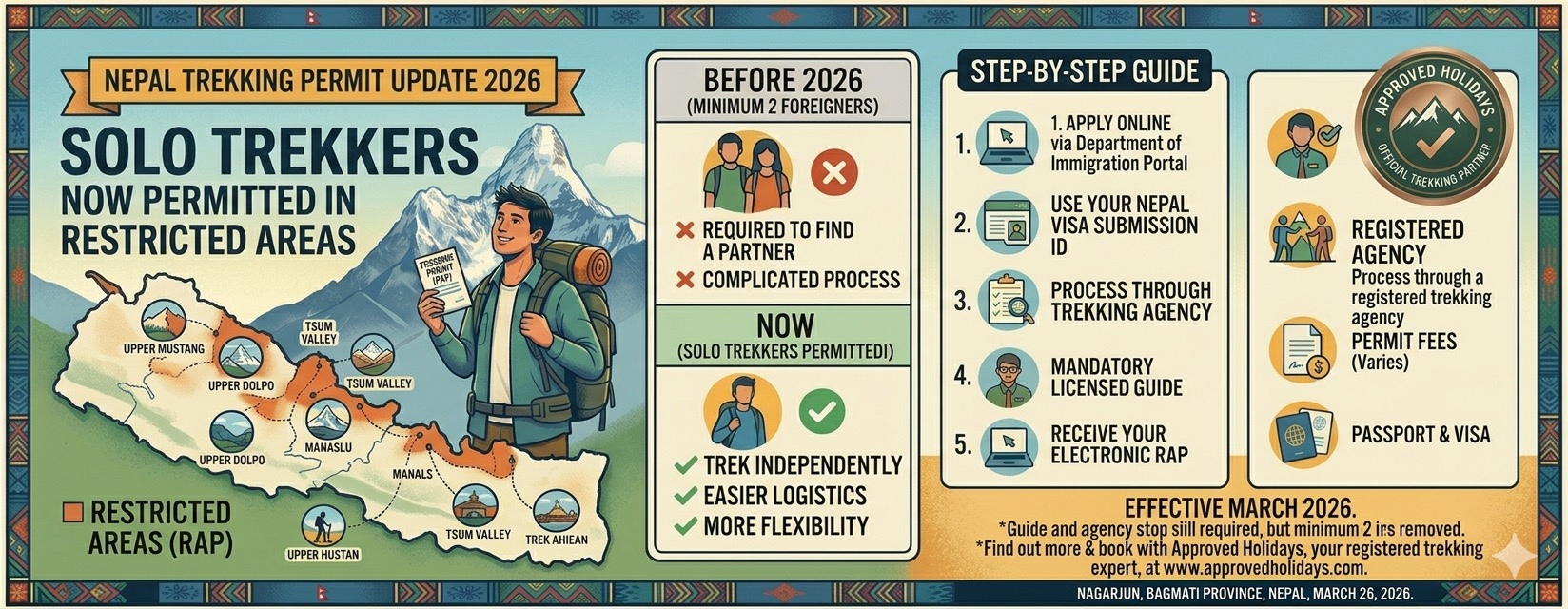
Before 2026, Nepal had strict rules for restricted area trekking:
- Minimum 2 trekkers required
- Mandatory licensed guide
- Permit issued via agency only
- No individual applications allowed
This rule existed mainly for:
✔️ Safety Reasons
Remote trails, unpredictable weather, and limited rescue options made solo trekking risky.
✔️ Border Security
Many restricted regions lie near the Tibet border, requiring controlled movement.
✔️ Cultural Protection
These areas preserve ancient traditions and Tibetan-influenced lifestyles.
While effective, the policy created barriers for solo travelers and reduced accessibility.
New Policy 2026: Solo Trekkers Can Now Apply
The updated regulation now allows:
👉 Single trekkers to obtain RAP permits without needing a second person
This means:
- No more forced group joining
- More flexible itineraries
- Easier planning for independent travelers
This change is aimed at boosting Nepal’s tourism industry and attracting more global trekkers.
Important Rules Still Apply (Very Important)
Even with this new flexibility, fully independent trekking is still NOT allowed in restricted areas.
Here’s what remains mandatory:
1. Licensed Guide Required
You must trek with a government-certified guide at all times.
2. Agency Booking Compulsory
RAP permits are processed only through registered trekking agencies in Nepal.
3. Fixed Itinerary
Your trekking route must be pre-approved and followed strictly.
4. Documentation Needed
- Passport copy
- Visa details
- Trek itinerary
- Guide details
👉 In simple terms:
You can travel solo—but not independently without support.
Popular Restricted Areas Now Open for Solo Trekkers
With the new policy, solo travelers can now explore some of Nepal’s most exclusive trekking destinations:
Upper Mustang Trek
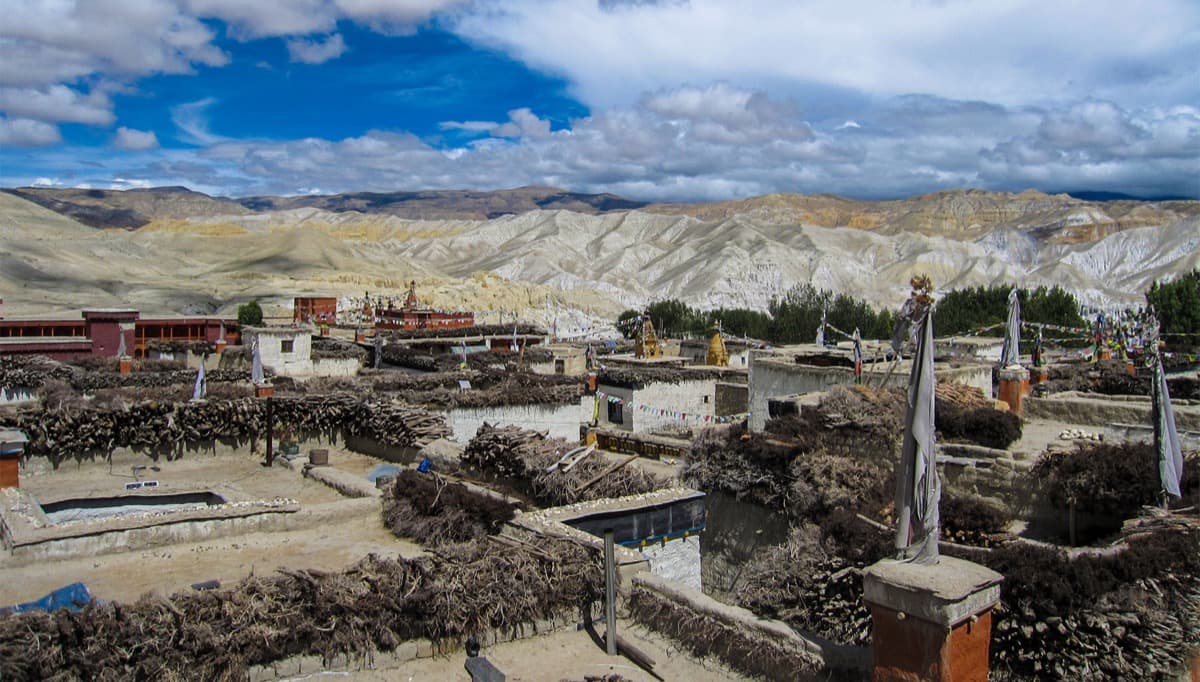
A mystical desert-like region known as the “Last Forbidden Kingdom,” rich in Tibetan culture and ancient caves.
Check our Upper Mustang Trek Package for detailed itinerary.
Manaslu Circuit Trek
A stunning alternative to Annapurna, offering remote trails, authentic villages, and breathtaking mountain views.
Read our Manaslu Circuit Trek Guide
Tsum Valley Trek
A sacred Himalayan valley filled with monasteries, chortens, and spiritual experiences.
Discover Tsum Valley Trek Cost & Itinerary
Nar Phu Valley Trek
A hidden gem featuring dramatic landscapes and untouched culture.
Upper Dolpo Trek
One of Nepal’s most remote and adventurous regions, ideal for experienced trekkers.
Cost of RAP Permits in Nepal
RAP fees vary depending on the region and duration:
- Upper Mustang: USD 50 per day
- Manaslu: USD 75–100 (7 days)
- Tsum Valley: USD 30–40 per week
- Dolpo: USD 500+ (depending on area)
- Kanchenjunga: Lower permit fees but still restricted
💡 Note: Prices are subject to seasonal variation and government updates.
Benefits of the New RAP Policy
✔️ Freedom for Solo Travelers
No need to wait for another trekker to join.
✔️ Increased Tourism Growth
More international visitors, especially independent adventurers.
✔️ Customized Travel Experience
Private treks tailored to individual preferences.
✔️ Boost to Local Economy
More employment for guides, porters, and local businesses.
Challenges to Consider
❗ Higher Cost for Solo Trekkers
Without group sharing, expenses like guide and logistics can be higher.
❗ Still Not Fully Independent
Agency and guide requirements remain compulsory.
❗ Limited Infrastructure
Remote regions still lack luxury facilities.
How to Obtain a Restricted Area Permit (Step-by-Step)
Step 1: Choose a Registered Trekking Agency
Select a reliable and government-authorized agency.
Step 2: Submit Required Documents
- Passport copy
- Nepal visa
- Travel insurance
- Photos
Step 3: Confirm Trek Itinerary
Your route and duration must be finalized.
Step 4: Permit Processing
The agency submits your application to the Department of Immigration.
Step 5: Receive Permit & Start Trek
Processing usually takes 1–3 working days.
Responsible Trekking Guidelines
Even with relaxed rules, responsible travel is essential:
- Respect local culture and traditions
- Avoid plastic waste and pollution
- Follow your guide’s instructions
- Stay within permitted routes
Sustainable tourism ensures these regions remain preserved for future generations.
Impact on Nepal’s Tourism Industry
This new policy is expected to:
- Increase solo traveler arrivals
- Promote lesser-known trekking routes
- Strengthen Nepal’s global tourism appeal
- Create more jobs in the trekking sector
It also positions Nepal as a more flexible and modern trekking destination.
Future of Trekking in Nepal
Nepal’s trekking policies are evolving to balance:
- Accessibility
- Safety
- Sustainability
Future improvements may include:
- Online permit systems
- Better trekking infrastructure
- Enhanced rescue and safety systems
Conclusion
The decision to allow solo trekkers to obtain Restricted Area Permits (RAP) is a major milestone in Nepal’s tourism industry. It opens doors for independent travelers while maintaining essential safety and regulatory measures.
Although trekking in restricted areas still requires a guide and agency, removing the group requirement is a significant step toward flexibility and accessibility.
For adventure seekers, this is the perfect opportunity to explore Nepal’s hidden Himalayan gems—on your own terms, yet with expert support.