Introduction
When people think of trekking in Nepal, names like Everest Base Camp and Annapurna Circuit often come first. And while those routes are undeniably spectacular, they are no longer hidden. The trails are busy, the teahouses are crowded, and the sense of remote adventure is not quite what it used to be.
But Nepal still has secrets—places where the mountains feel untouched and the journey feels personal.
One such place is the Manaslu Circuit Trek.
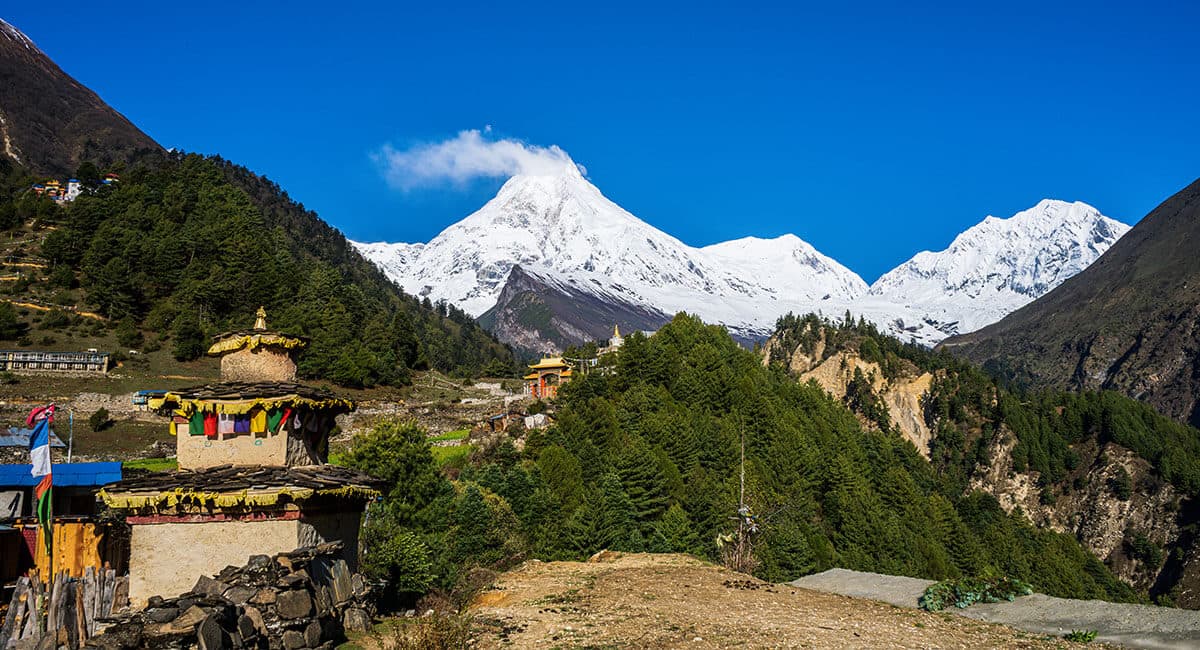
Located in the remote Gorkha region, this incredible trek circles Mount Manaslu (8,163 meters), the eighth-highest mountain in the world. Opened to trekkers only in the early 1990s, the region has managed to preserve its raw beauty thanks to restricted access and controlled tourism.
What makes Manaslu truly special is not just the mountain views—it’s the feeling of being somewhere authentic, somewhere quiet, somewhere real.
👉 If you are planning a complete Nepal experience, you can also explore a well-balanced journey like the Nepal Golden Triangle Tour covering culture, nature, and wildlife.
Why Choose the Manaslu Circuit Trek?
A Peaceful Alternative to Busy Trails
Unlike Everest or Annapurna, the Manaslu Circuit is far less crowded. You won’t find long queues of trekkers or packed lodges. Instead, you’ll often walk in peaceful silence, surrounded by nature.
This solitude allows you to truly connect—with the mountains, with the environment, and even with yourself.
A Deep Cultural Journey
As you gradually gain altitude, the culture shifts beautifully. Lower regions reflect traditional Nepali hill life, while higher villages carry a strong Tibetan influence.
You’ll come across:
- Prayer flags fluttering in the wind
- Mani walls engraved with Buddhist mantras
- Ancient monasteries with a spiritual atmosphere
Villages like Samagaon and Samdo are not just stops along the trail—they are living cultural experiences.
Ever-Changing Landscapes
One of the most rewarding aspects of this trek is the diversity of landscapes.
The journey begins with:
- Lush green hills
- Flowing rivers and waterfalls
- Terraced farmlands
And gradually transitions into:
- Dense forests
- Alpine terrain
- High mountain deserts and glaciers
Each day feels like a completely new chapter.
Stunning Himalayan Views
The Manaslu region offers dramatic and close-up views of the Himalayas. You are constantly surrounded by towering peaks, including Manaslu itself.
Because the route is less crowded, these views feel more personal and uninterrupted.
Trek Overview
- Duration: 12–16 days
- Maximum Altitude: 5,160 meters (Larkya La Pass)
- Difficulty Level: Moderate to challenging
- Best Seasons: Spring and Autumn
- Region: Gorkha, Nepal
Detailed Itinerary (A Realistic Experience)
Day 1: Drive from Kathmandu to Soti Khola
Your journey begins in Kathmandu, a vibrant city filled with temples, culture, and energy.
As you leave the city behind, the scenery changes dramatically. The road winds through hills, rivers, and rural landscapes. It’s a long drive, but it sets the tone for the adventure ahead.
Day 2–4: Soti Khola to Jagat
These first few days are about easing into the trek.
You’ll:
- Walk alongside the Budhi Gandaki River
- Cross suspension bridges
- Pass through small villages and forests
The trail is lively yet peaceful, giving you a gentle introduction to trekking life.
Day 5–6: Deng to Namrung
The altitude begins to increase, and so does the beauty.
You’ll notice:
- Cooler temperatures
- More rugged landscapes
- Traditional stone houses
This is where the cultural transition towards Tibetan influence becomes more visible.
Day 7–8: Namrung to Samagaon
This section is often described as the heart of the trek.
The mountains open up in front of you, and the scenery becomes dramatic. Samagaon, a beautiful village surrounded by peaks, offers a perfect place to slow down and absorb the environment.
Day 9: Acclimatization Day
Instead of moving forward, you take a rest day to adapt to the altitude.
You can explore:
- Manaslu Base Camp
- Nearby monasteries
- Glacial lakes
This day is essential for both safety and enjoyment.
Day 10: Samagaon to Samdo
A short but scenic walk leads you to Samdo, a remote village near the Tibetan border.
The landscape feels vast and open, with fewer trees and more dramatic mountain views.
Day 11: Samdo to Dharamsala
You move closer to Larkya La Pass. The terrain becomes more rugged, and the air thinner.
There’s a growing sense of anticipation as you prepare for the biggest challenge of the trek.
Day 12: Crossing Larkya La Pass (5,160 m)
This is the most demanding day—but also the most rewarding.
Starting early in the morning, you make your way up to the pass. The climb is steady, and the cold can be intense, but the views at the top are unforgettable.
Standing at 5,160 meters, surrounded by snow-covered peaks, you feel a deep sense of achievement.
Day 13–14: Descent and Return
The descent takes you through greener landscapes, forests, and villages.
The air feels richer, the trail easier, and the journey slowly comes to an end.
Permits and Regulations
The Manaslu region is restricted, so special permits are required:
- Manaslu Restricted Area Permit
- Manaslu Conservation Area Permit
- Annapurna Conservation Area Permit
A licensed guide is mandatory.
👉 These arrangements are usually handled by professional trekking companies like Approved Holidays, ensuring a smooth and stress-free experience.
Accommodation and Food
Teahouse Experience
Accommodation is simple but comfortable. Rooms are basic, but the warmth of the hospitality makes up for it.
Evenings are often spent in cozy dining areas, sharing stories with fellow trekkers.
Food on the Trail
Meals are hearty and designed to keep you energized.
Common options include:
- Dal Bhat (a staple Nepali meal)
- Noodles, soups, and rice dishes
- Tea, coffee, and light snacks
Dal Bhat is especially popular—it’s filling, nutritious, and often comes with refills.
Cost Breakdown
- Permits: $100–$160
- Guide & Porter: $25–$40/day
- Food & Accommodation: $25–$35/day
- Transport: $30–$50
👉 Total estimated cost: $900–$1500 per person
Best Time to Trek
Spring (March–May)
Blooming rhododendrons and pleasant weather make this season beautiful.
Autumn (September–November)
Clear skies and stable conditions offer the best mountain views.
Preparation Tips
Preparing well makes a big difference.
- Build your stamina with regular walking or hiking
- Pack wisely and avoid unnecessary weight
- Take your time—altitude is the biggest challenge
Responsible Travel
The Manaslu region is still relatively untouched, and preserving it is important.
- Respect local culture and traditions
- Avoid plastic waste
- Support local businesses
Small actions make a big impact.
A Personal Touch
What makes the Manaslu Circuit Trek truly unforgettable is not just the landscapes—it’s the feeling it creates.
There are quiet moments that stay with you:
sitting outside a teahouse, holding a warm cup of tea, watching the sun slowly disappear behind the mountains.
No noise. No rush. Just pure presence.
It’s in these moments that you realize this trek is not just about adventure—it’s about connection.
Conclusion
The Manaslu Circuit Trek is one of Nepal’s most authentic and rewarding trekking experiences. It offers a perfect blend of natural beauty, cultural richness, and peaceful solitude.
If you’re looking for something beyond the usual routes—something that feels real and meaningful—this trek is an excellent choice.
👉 You can also combine this trek with other experiences like cultural tours or Chitwan Jungle Safari for a complete Nepal journey.
Sometimes, the most beautiful journeys are the ones that remain quietly hidden—and Manaslu is exactly that.
Frequently Asked Questions (FAQs)
1. Is the Manaslu Circuit Trek suitable for beginners?
Yes, with proper preparation and a steady pace, beginners can complete it.
2. Do I need a guide?
Yes, a licensed guide is mandatory.
3. How long does the trek take?
Typically 12–16 days.
4. What is the highest point?
Larkya La Pass (5,160 meters).
5. Is altitude sickness a concern?
Yes, proper acclimatization is essential.
6. What type of accommodation is available?
Simple teahouses along the route.
7. Are ATMs available on the trek?
No, carry enough cash from Kathmandu.
8. When is the best time to go?
Spring and autumn.
9. Is Wi-Fi available?
Limited and unreliable.
10. Why choose Manaslu over other treks?
Because it offers a quieter, more authentic Himalayan experience.