Annapurna Circuit Trek: Routes, Costs, Itinerary, and Tips
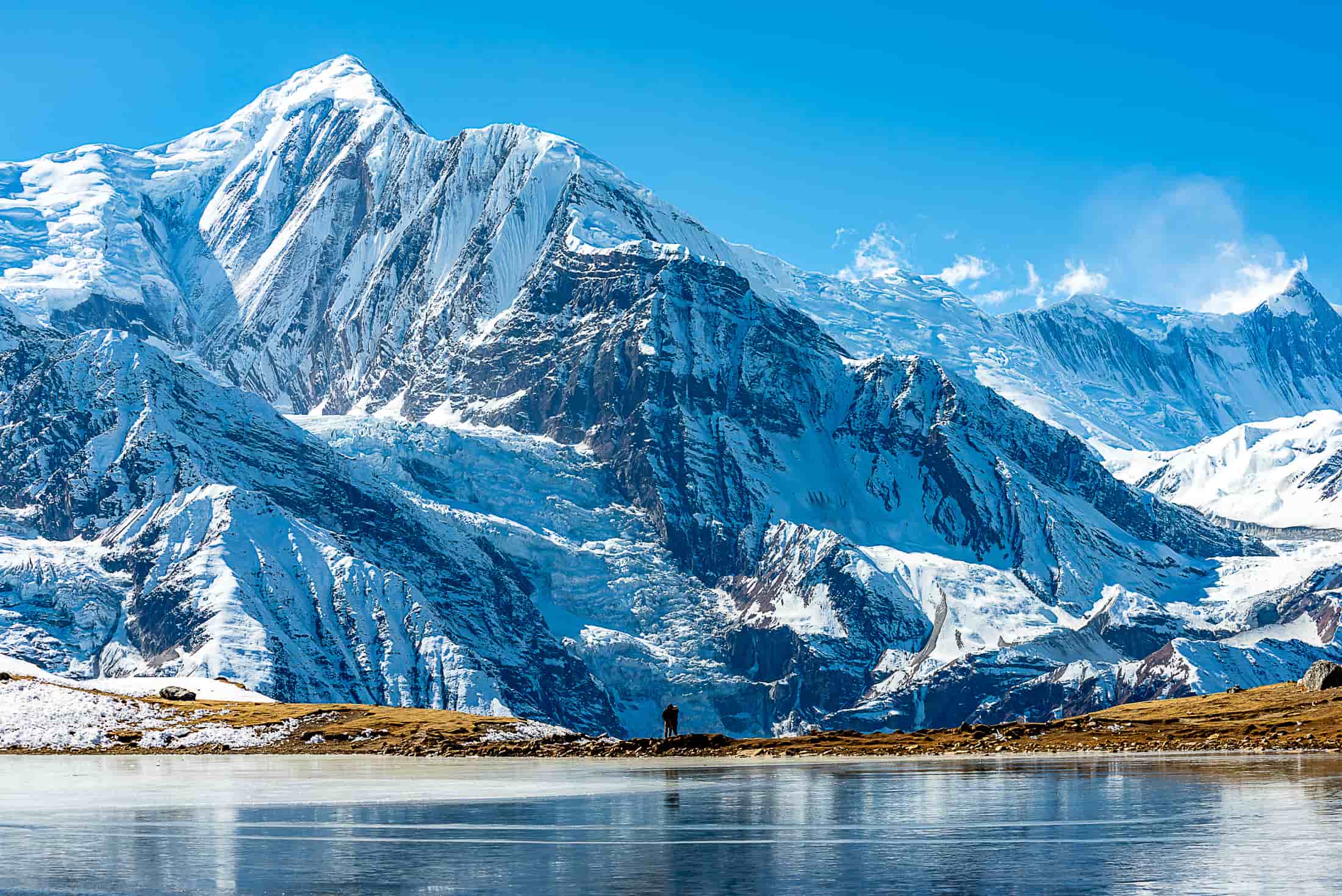
The Annapurna Circuit Trek is one of Nepal's most spectacular trekking adventures, offering an incredible combination of snow-capped Himalayan peaks, traditional villages, Buddhist monasteries, lush forests, alpine meadows, and the world's deepest gorge. Crossing the famous Thorong La Pass (5,416m), this classic trek provides one of the most rewarding experiences for trekkers seeking both cultural immersion and mountain scenery.
Unlike many Himalayan treks that focus on a single destination, the Annapurna Circuit takes you through diverse landscapes—from subtropical forests to high-altitude deserts—while introducing you to the rich cultures of the Gurung, Thakali, and Manangi communities.
Whether you're planning your first Himalayan trek or returning to Nepal for another adventure, this comprehensive guide covers everything you need to know about the Annapurna Circuit Trek.
Why Choose the Annapurna Circuit Trek?
The Annapurna Circuit remains one of the world's greatest trekking routes because it offers extraordinary diversity in a single journey.
Highlights include:
- Crossing Thorong La Pass (5,416m)
- Spectacular views of Annapurna, Dhaulagiri, Manaslu, Tilicho Peak, and Gangapurna
- Visit to sacred Muktinath Temple
- Beautiful Manang Valley
- Traditional Tibetan-influenced villages
- Natural hot springs at Tatopani
- Kali Gandaki Gorge
- Diverse wildlife and vegetation
- Rich Buddhist and Hindu culture
For trekkers looking for a shorter Himalayan adventure, you can also explore our Annapurna Base Camp Trek or Mardi Himal Trek, both offering incredible mountain scenery with fewer trekking days.
Annapurna Circuit Trek – Route & Major Highlights
Main Route
Kathmandu → Besisahar → Chame → Upper Pisang → Manang → Yak Kharka → Thorong Phedi → Thorong La Pass → Muktinath → Jomsom → Pokhara
The Annapurna Circuit Trek is one of Nepal's most spectacular trekking adventures, offering an incredible variety of landscapes, cultures, and mountain scenery. The journey begins in the lush hills and river valleys before gradually entering the high Himalayas and crossing the famous Thorong La Pass (5,416 m).
For an even more rewarding experience, many trekkers add a side trip to Tilicho Lake (4,919 m), one of the highest lakes in the world.
Kathmandu – 1,355 m
Your adventure begins in Kathmandu, the cultural and historic heart of Nepal. Before heading toward the mountains, you can complete your final preparations, including trekking permits, gear checks, and meeting your trekking team.
Highlights include:
- Historic temples and cultural landmarks
- Thamel's lively streets
- Traditional Nepali food
- Final trekking preparations
- Permit and transportation arrangements
Besisahar – 760 m
Besisahar is traditionally regarded as the gateway to the Annapurna Circuit. The scenic drive from Kathmandu takes approximately 6–7 hours, passing through winding roads, green hills, terraced fields, rivers, and traditional villages.
From Besisahar, the journey continues deeper into the spectacular Marsyangdi River Valley.
Chame – 2,670 m
Surrounded by pine forests, dramatic cliffs, and impressive Himalayan scenery, Chame is the administrative headquarters of Manang District and an important stop along the circuit.
Highlights include:
- Natural hot springs
- Stunning Lamjung Himal views
- Pine forests
- Traditional mountain villages
- Local apple orchards
Chame is also where the landscape starts to change noticeably as you move toward the higher Himalayan region.
Upper Pisang – 3,300 m
The trail from Chame leads through beautiful pine forests and picturesque mountain settlements before reaching Upper Pisang.
This traditional village is renowned for its spectacular views of the surrounding peaks and its distinctive Himalayan architecture.
Mountain views include:
- Annapurna II
- Annapurna IV
- Pisang Peak
The dry, rugged landscape around Pisang marks the beginning of the dramatic transition into the alpine region.
Manang – 3,540 m
Manang is one of the most important villages on the Annapurna Circuit and an ideal location for acclimatization.
Surrounded by spectacular Himalayan peaks, Manang offers a fascinating combination of natural beauty and Tibetan-influenced mountain culture.
Things to explore include:
- Gangapurna Lake
- Gangapurna Glacier viewpoint
- Ice Lake
- Ancient monasteries
- Traditional villages
- Himalayan Rescue Association information session
An acclimatization day in Manang helps your body adjust before continuing toward the higher elevations.
Yak Kharka – 4,050 m
After leaving Manang, the trail gradually climbs into the alpine zone. The vegetation becomes thinner, the terrain more rugged, and the surrounding mountains increasingly impressive.
Yak Kharka sits among high-altitude meadows and is sometimes a good place to spot Himalayan wildlife, including blue sheep.
The gradual ascent is important as you prepare for the much higher Thorong La Pass.
Thorong Phedi – 4,540 m
Thorong Phedi is the final overnight stop before crossing the famous Thorong La Pass.
Surrounded by rocky slopes and towering Himalayan peaks, the settlement has a distinctly high-altitude atmosphere. Most trekkers arrive here in the afternoon, rest, and prepare for an early start the following morning.
Thorong La Pass – 5,416 m
The crossing of Thorong La Pass is the ultimate highlight of the Annapurna Circuit.
Trekkers normally start very early, often around 4:00 AM, to take advantage of more stable morning conditions and reach the pass before strong afternoon winds develop.
The challenging ascent is rewarded with magnificent Himalayan scenery and a tremendous sense of achievement.
Views from the pass include:
- Annapurna Range
- Dhaulagiri
- Mustang
- High Himalayan valleys
- Tibetan Plateau
After reaching the summit, the trail descends toward the sacred town of Muktinath.
Muktinath – 3,800 m
Muktinath is one of Nepal's most important pilgrimage destinations and holds deep religious significance for both Hindus and Buddhists.
The sacred site attracts pilgrims from Nepal, India, Tibet, and other parts of the region.
Major attractions include:
- Muktinath Temple
- 108 sacred water spouts
- Eternal flame
- Buddhist monastery
- Beautiful Mustang landscapes
The dramatic change from the high Himalayan environment to the dry, desert-like landscapes of Mustang makes this section particularly memorable.
Jomsom – 2,720 m
The trail or road continues through the spectacular Kali Gandaki Valley toward Jomsom, a major town in the Mustang region.
Jomsom is famous for its apple orchards, traditional mountain culture, powerful afternoon winds, and magnificent views of the surrounding peaks.
Jomsom highlights include:
- Apple orchards and local apple products
- Kali Gandaki River
- Traditional Mustang villages
- Nilgiri and Dhaulagiri views
- Scenic flights to Pokhara
From Jomsom, you can continue by road or take a scenic flight to Pokhara, where the Annapurna Circuit adventure comes to an end.
Annapurna Circuit Trek Difficulty
The Annapurna Circuit is considered a moderate to challenging trek.
Challenges include:
- High altitude
- Long walking days
- Steep ascents
- Cold temperatures
- Crossing Thorong La Pass
No technical climbing skills are required.
Good physical fitness and proper acclimatization make the trek achievable for most healthy hikers.
Annapurna Circuit Trek – 14 Days
Day 1 – Arrival in Kathmandu
Upon arrival at Tribhuvan International Airport, you will be welcomed by our representative and transferred to your hotel. After check-in, you can relax and prepare for the trek. If time permits, you may explore the nearby streets of Thamel.
Day 2 – Drive to Besisahar and Chame
After breakfast, begin the scenic drive toward the Annapurna region. The route follows the Trishuli and Marsyangdi River valleys, passing through green hills, terraced farmland, waterfalls, and traditional villages. From Besisahar, continue toward Chame, the administrative headquarters of Manang District. Overnight in Chame.
Day 3 – Trek to Upper Pisang
Today, the trek officially begins. Follow the Marsyangdi River through beautiful pine and fir forests, passing traditional mountain settlements along the way. As you approach Pisang, the surrounding peaks become increasingly impressive, including Annapurna II and Pisang Peak. Overnight in Upper Pisang.
Day 4 – Trek to Manang
Continue toward Manang through an increasingly dry and dramatic landscape. The trail offers spectacular views of Annapurna II, Annapurna III, Gangapurna, and other Himalayan peaks. Visit the ancient Braga Monastery, one of the most important cultural sites in the region, before continuing to Manang village. Overnight in Manang.
Day 5 – Acclimatization Day in Manang
Take a well-deserved rest day to allow your body to adjust to the increasing altitude. You can enjoy a short hike around Manang, visit the local monastery, or hike toward Gangapurna Lake and viewpoint. For more active trekkers, Ice Lake is another excellent option. Overnight in Manang.
Day 6 – Trek to Yak Kharka
Leave Manang and gradually climb into the alpine zone. The landscape becomes more rugged and vegetation becomes sparse as you gain altitude. The trail passes through Gunsang and several small settlements before reaching Yak Kharka, where you can enjoy magnificent mountain scenery. Overnight in Yak Kharka.
Day 7 – Trek to Thorong Phedi
Today's trek takes you closer to the famous Thorong La Pass. Follow a relatively gradual trail through the high Himalayan landscape toward Thorong Phedi, the base camp for the pass crossing. Take plenty of rest and prepare for an early start the following morning. Overnight at Thorong Phedi.
Day 8 – Cross Thorong La Pass and Trek to Muktinath
This is the most challenging and rewarding day of the trek. Start early and ascend toward Thorong La Pass (5,416 m), one of the highest trekking passes in the world. After reaching the summit, enjoy breathtaking views of the surrounding Himalayan mountains before making the long descent toward Muktinath. Muktinath is an important pilgrimage site for both Hindus and Buddhists. Overnight in Muktinath.
Day 9 – Drive to Jomsom
After breakfast, explore the sacred area of Muktinath before driving toward Jomsom. The route passes through the spectacular landscapes of Lower Mustang, with barren cliffs, deep valleys, traditional villages, and views of Nilgiri and Dhaulagiri. Jomsom is a lively mountain town situated beside the Kali Gandaki River. Overnight in Jomsom.
Day 10 – Fly or Drive from Jomsom to Pokhara
Depending on weather and road conditions, you can either take a scenic morning flight from Jomsom to Pokhara or travel by road. The flight offers wonderful views of the Annapurna and Dhaulagiri ranges. Upon arrival in Pokhara, check into your hotel and enjoy a relaxing evening beside Phewa Lake.
Day 11 – Explore Pokhara
Enjoy a sightseeing tour of Pokhara, one of Nepal's most beautiful cities. Visit Davis Falls, the mysterious Gupteshwor Cave, and the hilltop World Peace Pagoda, which offers beautiful views of Phewa Lake and the Annapurna range. You can also enjoy a peaceful boat ride on Phewa Lake. An early morning visit to Sarangkot can be arranged for sunrise and Himalayan views.
Day 12 – Drive from Pokhara to Kathmandu
After breakfast, drive back to Kathmandu along the scenic Prithvi Highway. Enjoy views of rivers, green hills, terraced fields, and countryside villages along the way. Upon arrival in Kathmandu, transfer to your hotel and relax.
Day 13 – Free Day in Kathmandu
Enjoy a free day to explore Kathmandu at your own pace. You may visit nearby cultural sites, explore the streets of Thamel, purchase souvenirs, or simply relax at the hotel. This day can also be used for last-minute shopping and enjoying traditional Nepali cuisine.
Day 14 – Departure
Your Annapurna Circuit adventure comes to an end today. Depending on your flight schedule, you will be transferred to Tribhuvan International Airport for your onward journey. We hope you return home with wonderful memories of the Himalayas, mountain villages, and Nepalese culture.
Annapurna Circuit Trek Cost
The average cost depends on your trekking style.
| Package Type | Estimated Cost |
|---|---|
| Budget Trek | USD 850–1,050 |
| Standard Package | USD 1,100–1,450 |
| Luxury Package | USD 1,600–2,300 |
Typical package includes:
- Airport transfers
- Hotels
- Transportation
- Permits
- Licensed guide
- Porter
- Accommodation during trek
- Meals during trek
Annapurna Circuit Trek Permits
You need:
- Annapurna Conservation Area Permit (ACAP)
- TIMS Card (if applicable under current regulations)
Your trekking company usually arranges these permits before departure.
Best Time for Annapurna Circuit Trek
Spring (March–May)
- Rhododendron forests
- Pleasant temperatures
- Excellent visibility
Autumn (September–November)
The most popular trekking season.
Expect:
- Crystal-clear mountain views
- Stable weather
- Comfortable temperatures
Winter (December–February)
Possible but snowy conditions may affect Thorong La Pass.
Monsoon (June–August)
Heavy rainfall and landslides make trekking more challenging, though the Manang and Mustang regions lie in the rain shadow and receive less rainfall.
Accommodation
Accommodation consists mainly of traditional tea houses.
Facilities include:
- Twin-sharing rooms
- Shared bathrooms
- Dining hall
- Charging facilities (extra charge)
- Wi-Fi (limited)
- Hot showers (paid)
Food During the Trek
Popular meals include:
- Dal Bhat
- Fried rice
- Noodles
- Pasta
- Pancakes
- Eggs
- Soup
- Tea and coffee
Dal Bhat is highly recommended for energy during long trekking days.
Packing List
Essential items include:
- Waterproof trekking boots
- Down jacket
- Sleeping bag
- Trekking poles
- Thermal layers
- Gloves
- Sunglasses
- Sunscreen
- Headlamp
- Water bottles
- Water purification tablets
- First-aid kit
- Power bank
Altitude Sickness
Acute Mountain Sickness (AMS) can affect anyone above 2,500 meters.
Prevention Tips
- Ascend gradually.
- Stay hydrated.
- Avoid alcohol.
- Eat nutritious meals.
- Take acclimatization days seriously.
- Inform your guide immediately if symptoms develop.
Responsible Trekking
Help preserve the Annapurna region by:
- Carrying reusable water bottles.
- Avoiding single-use plastics.
- Respecting local customs.
- Staying on marked trails.
- Supporting local tea houses.
- Hiring licensed local guides and porters.
Why Trek with Approved Holidays?
Choosing an experienced local operator ensures a safer and more enjoyable trekking experience. At Approved Holidays, we provide:
- Experienced government-licensed trekking guides
- Flexible itineraries
- Small-group and private departures
- Airport transfers
- Comfortable accommodation
- Quality meals during the trek
- 24/7 customer support
- Personalized service from planning to departure
Whether you're a solo traveler, couple, family, or group, we help you experience the Annapurna Circuit with confidence and comfort.
Related Trekking Packages
Strengthen your website's SEO by linking naturally to these related pages:
- Annapurna Base Camp Trek – Ideal for trekkers seeking close-up views of Annapurna without completing the full circuit.
- Mardi Himal Trek – A short and scenic trek featuring stunning ridge-line views.
- Everest Base Camp Trek – Nepal's iconic trekking adventure to the foot of Mount Everest.
- Langtang Valley Trek – A culturally rich trek through beautiful valleys north of Kathmandu.
- Manaslu Circuit Trek – A quieter alternative with remote villages and dramatic mountain scenery.
- Nepal Trekking Packages – Explore all trekking adventures available across Nepal.
- Nepal Tour Packages – Discover cultural, wildlife, and family-friendly tours beyond the mountains.
Frequently Asked Questions (FAQs)
How long does the Annapurna Circuit Trek take?
Most itineraries take 12–18 days, depending on the chosen route and acclimatization schedule.
Is the Annapurna Circuit suitable for beginners?
Yes, physically fit beginners can complete the trek with proper preparation, acclimatization, and the support of an experienced guide.
What is the highest point of the trek?
The highest point is Thorong La Pass (5,416m).
Do I need a guide?
While regulations may change, hiring a licensed guide is strongly recommended for safety, navigation, and cultural insights.
Can I combine Tilicho Lake with the Annapurna Circuit?
Yes. Adding Tilicho Lake usually extends the trek by 2–3 days and offers an unforgettable side trip to one of the world's highest alpine lakes.
Is Wi-Fi available?
Many tea houses provide Wi-Fi for an additional fee, though the connection may be slow or unavailable at higher elevations.
Final Thoughts
The Annapurna Circuit Trek remains one of the finest long-distance treks in the world. From lush valleys and traditional mountain villages to the breathtaking challenge of crossing Thorong La Pass, every day brings new landscapes and unforgettable experiences. Whether you are drawn by the Himalayan scenery, the rich local culture, or the sense of achievement that comes with completing the circuit, this trek promises memories that will last a lifetime.
With careful preparation, the right season, and an experienced local team like Approved Holidays, your Annapurna Circuit adventure can be both safe and truly extraordinary. Start planning today and discover why this legendary route continues to inspire trekkers from around the globe.