Introduction
This isn't just a list of trail coordinates and gear requirements. When we talk about the Langtang Valley Trek, we’re talking about a landscape that has a soul.
At our trekking agency, we’ve walked these paths hundreds of times—through the grief of the 2015 earthquake and the triumphant, beautiful rebuilding that followed. In 2026, Langtang stands as a testament to the resilience of the Tamang people and the raw, unpolished beauty of the Himalayas.
If you are looking for a journey that balances high-altitude thrills with a deep sense of peace, you’ve found it. Here is everything you need to know, written from the heart of the mountains.
Quick Facts: Langtang Valley Trek 2026
Finding Langtang: Where the Road Ends and the Magic Begins
Langtang Valley sits tucked away in the Langtang National Park, just north of Kathmandu. It’s so close to the Tibetan border that on a clear day at the top of a pass, you can almost feel the presence of the "Roof of the World" just beyond the peaks.
Unlike the Everest region, which requires a nerve-wracking flight to Lukla, Langtang is accessible by road. The journey from Kathmandu to Syabrubesi (the trailhead) is a 7-to-8-hour adventure in itself. You’ll wind through emerald-green hills, past cascading waterfalls, and through tiny roadside settlements where life moves at the speed of a passing tractor. It’s bumpy, it’s long, and it’s the perfect way to leave the "modern world" behind.
Why Langtang? (The "Secret" Himalayan Favorite)
We often get asked, "Why should I choose Langtang over Everest or Annapurna?" Our answer is always the same: Intimacy.
-
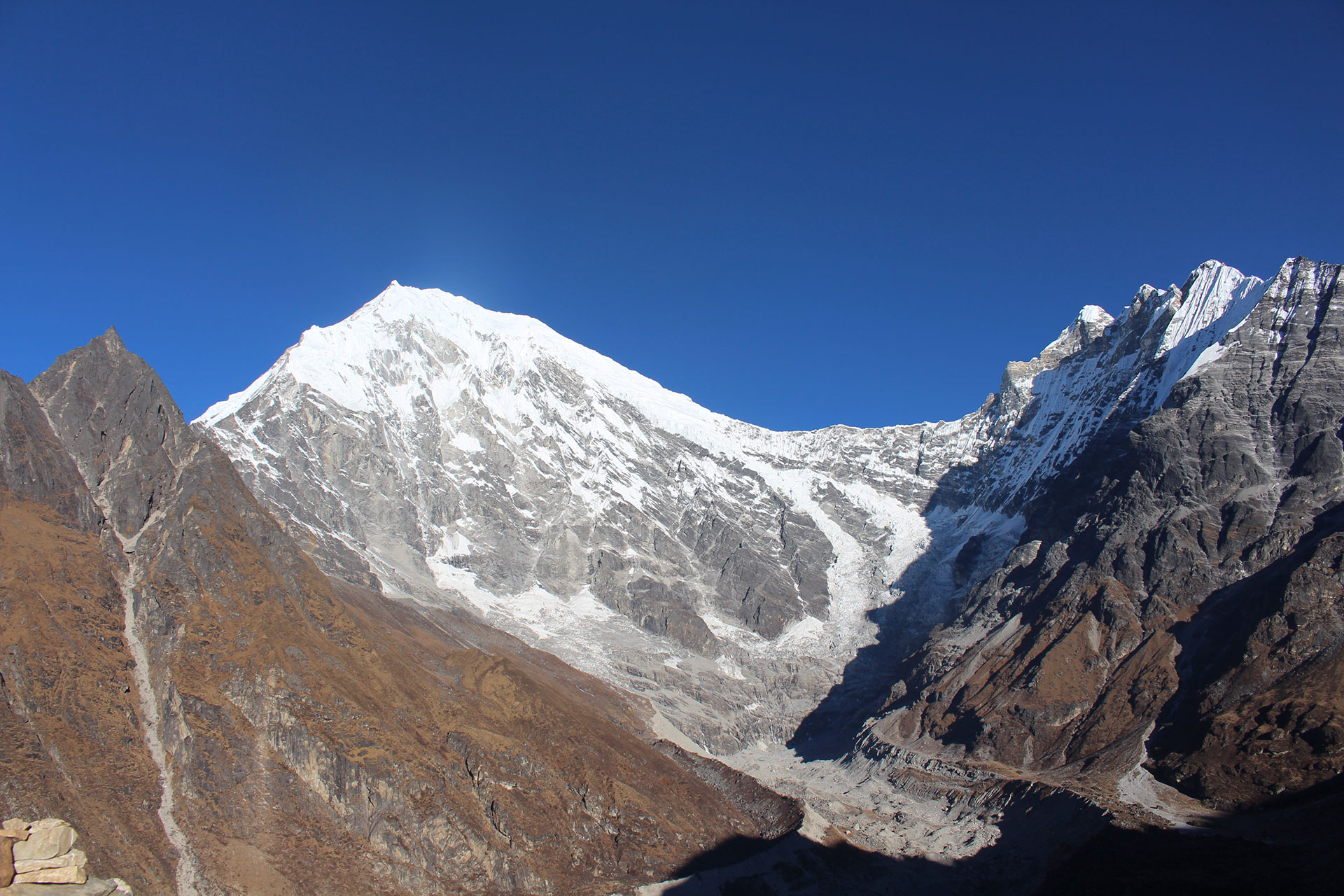
The Proximity to Peaks: In other regions, you might walk for days just to see a 7,000m peak. In Langtang, Langtang Lirung (7,227m) looms over you from day two. You feel small in the best way possible.
-
Cultural Connection: This isn't a commercialized "tourist highway." The people here are primarily of Tamang and Tibetan descent. When you stay in a teahouse, you aren't just a customer; you're a guest in a family’s rebuilt home.
-
The "Valley of Glaciers": The geography is unique. It’s a U-shaped glacial valley that opens up into a high-altitude playground of moraines and ice.
-
Solitude: While Everest can feel like a crowded marathon in peak season, Langtang offers sections of trail where the only sound is your breath and the distant whistle of a Himalayan Monal.
The 2026 Trekking Reality: What’s Changed?
Since 2023, the Nepal Tourism Board has mandated that all trekkers in National Parks must be accompanied by a licensed guide.
We see this as a positive shift. Having a guide isn't about "supervision"; it’s about storytelling and safety. A guide knows which bridge gets slippery after a morning frost and which local family makes the best sea buckthorn juice. In 2026, the trails are better maintained than ever, and the teahouses have evolved to offer surprising comforts—like solar-powered hot showers and even stable Wi-Fi—without losing their mountain charm.
A Walk Through the Valley: The 10-Day Journey
We don’t believe in rushing the mountains. This is our recommended "Human-Paced" itinerary.
Day 1: The Drive to Syabrubesi (1,460m)
The journey begins. You’ll leave the Kathmandu valley, watching the city's concrete give way to terraced fields. The air gets cooler, the river gets louder, and by evening, you’re in Syabrubesi, prepping your pack for the morning.
Day 2: Into the Green (Syabrubesi to Lama Hotel - 2,470m)
Today is about the forest. You’ll climb through oak and rhododendron woods. Keep your eyes peeled for Red Pandas—they are shy, but they live here. The sound of the Langtang Khola (river) will be your constant companion.
Day 3: The Valley Opens (Lama Hotel to Langtang Village - 3,430m)
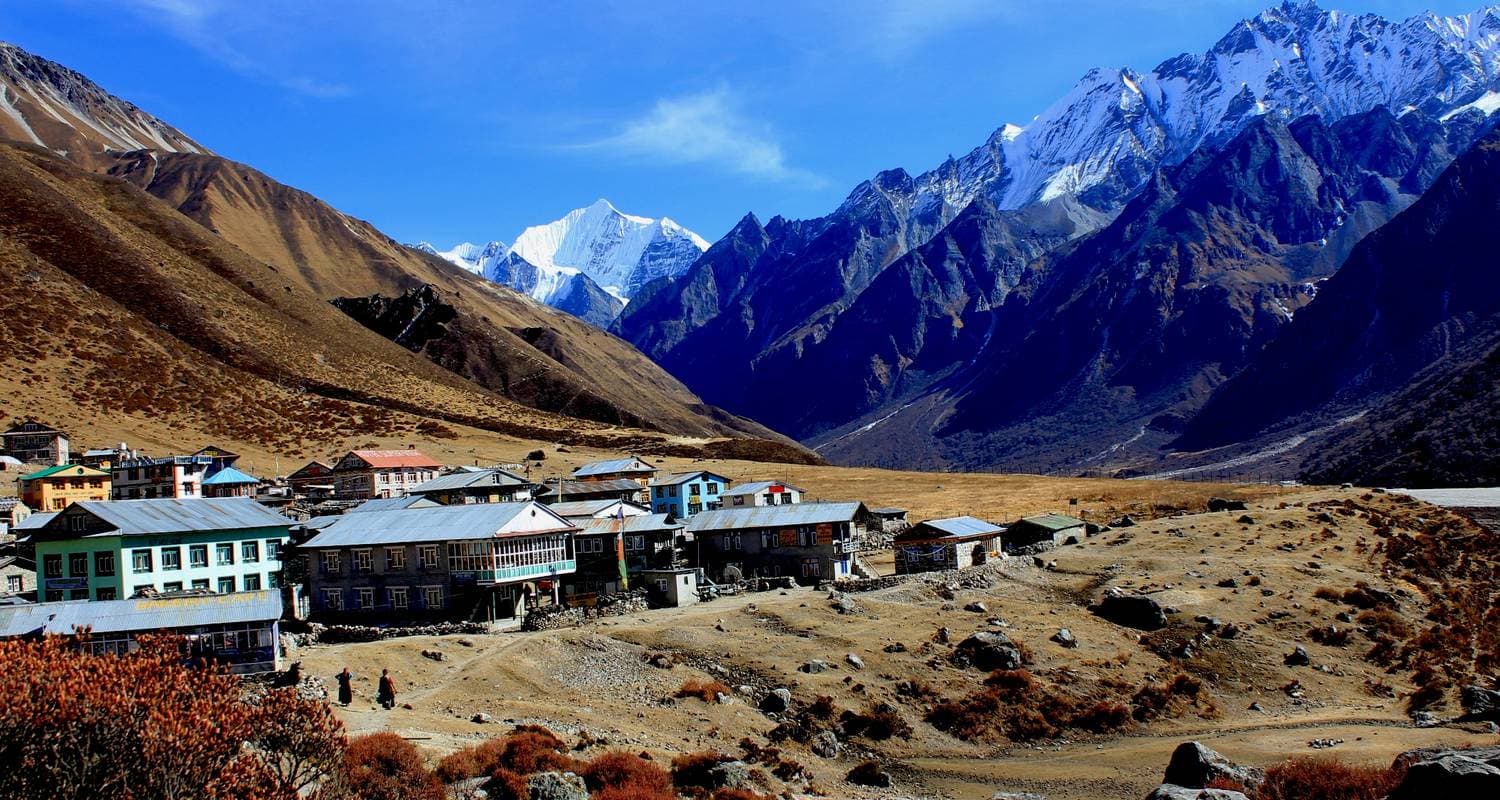
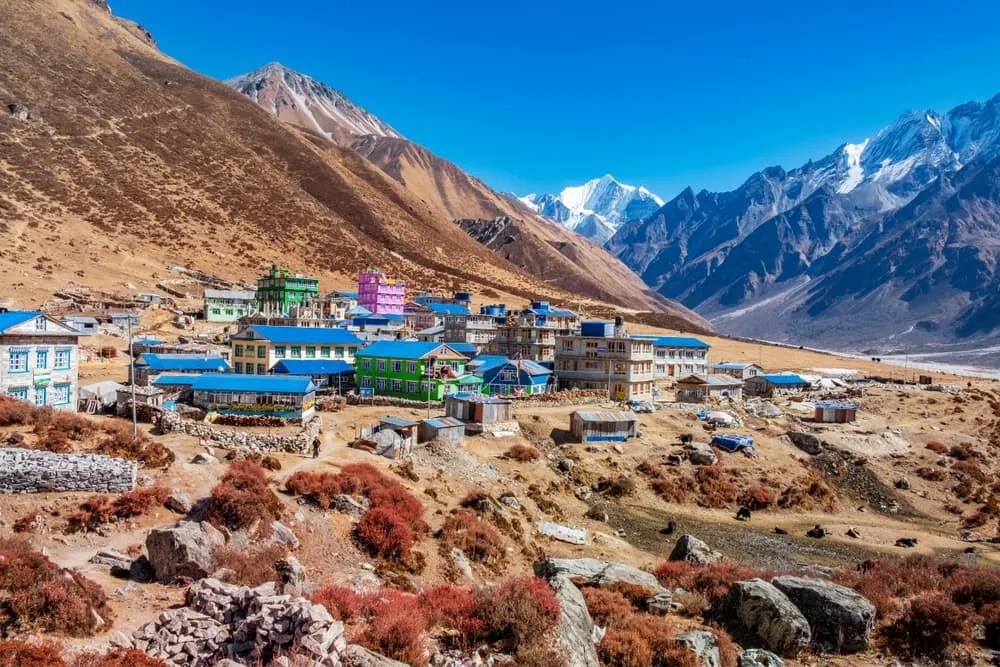
As you pass a place called Ghodatabela (the "Horse Stable"), the dense forest suddenly vanishes. The valley opens wide, revealing the massive peaks. You’ll walk through the "New Langtang" village, rebuilt just above the site where the 2015 avalanche occurred. It is a place of profound memory and incredible hope.
Day 4: To the Spiritual Heart (Langtang Village to Kyanjin Gompa - 3,870m)
A shorter walk today, allowing your body to adjust to the thinning air. You’ll pass the largest Mani wall (prayer stones) in Nepal. You’ll arrive at Kyanjin Gompa in time for lunch. This is the final permanent settlement, surrounded by a cathedral of ice.
Day 5: Touching the Sky (Acclimatization Day)
This is why you came. You have two choices:
-
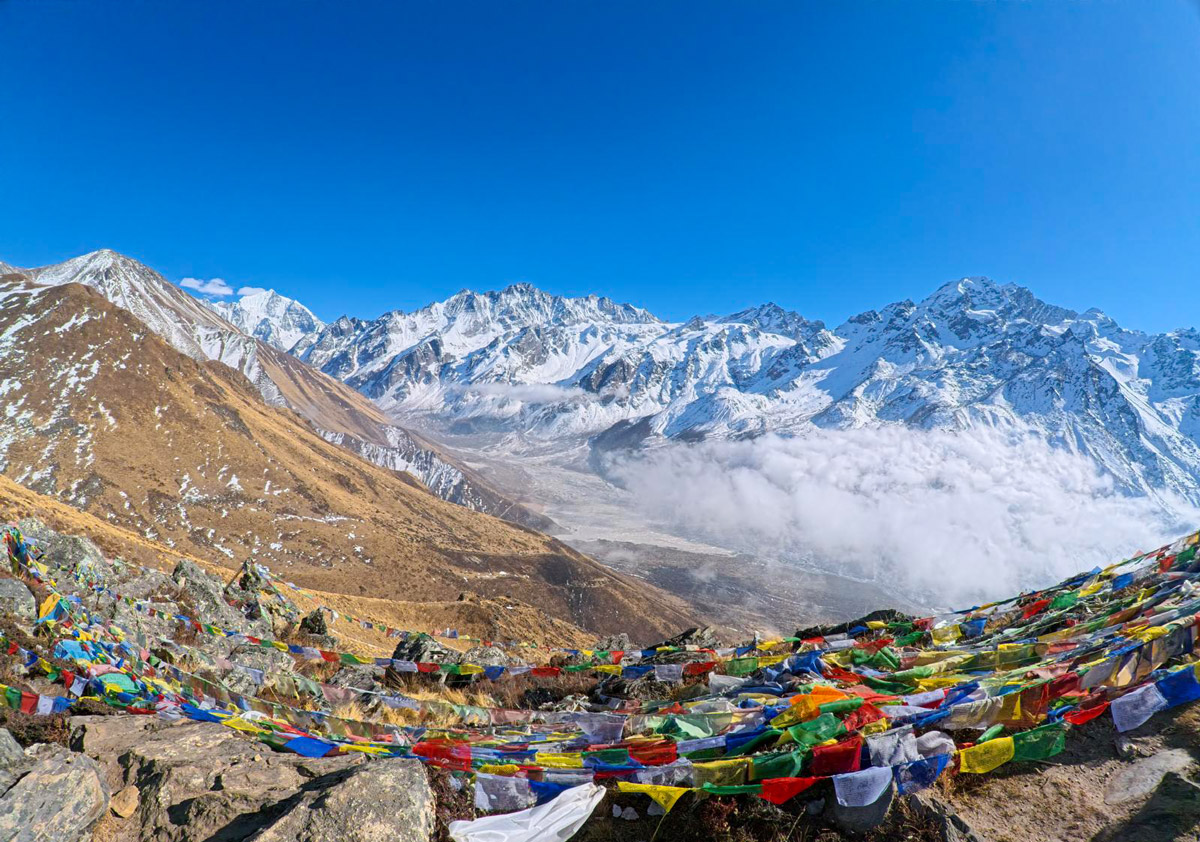
Kyanjin Ri (4,773m): A steep but manageable climb for a panoramic view.
-
Tserko Ri (5,033m): A full-day challenge. Standing at 5,000 meters is an experience that changes how you see the world.
Days 6–10: The Return and Reflection
The walk back down isn't just a "reverse hike." You’ll see things you missed on the way up. You’ll have a final celebratory dinner in Syabrubesi before the drive back to the bustling streets of Kathmandu.
Physicality: Do You Need to Be an Athlete?
The short answer? No. The honest answer? You need to be resilient.
The Langtang trek is "Moderate." There are no vertical rock faces to climb, but there are thousands of stone steps. If you can walk for 6 hours on a treadmill at an incline, you can do this trek.
Our Advice:
-
Start Training Early: Two months of walking, stair-climbing, or cycling will make your trek a joy rather than a struggle.
-
Slow and Steady: In the Himalayas, the "tortoise" always wins. We call it “Bistarai, Bistarai” (Slowly, slowly).
Living on the Trail: Food and Bed
🛌 The "Bed": Accommodation
Accommodation in Langtang is based on the teahouse system. These are family-run lodges that provide a mix of rustic charm and essential comforts.
-
The Room: Most rooms are twin-sharing with two single beds. Expect simple wooden frames with foam mattresses, pillows, and a heavy quilt.
-
The "New" Langtang Village: The original village was destroyed in 2015. The new village is built nearby with modern stone and wood structures that often feel cleaner and more insulated than older trails.
-
Amenities: * Toilets: Mostly shared (squat or western-style). In Kyanjin Gompa and Syabrubesi, you can find rooms with attached bathrooms for a premium.
-
Hot Showers: Available at almost every stop for a fee ($3–$5), usually powered by gas or solar.
-
Charging & Wi-Fi: Most lodges have communal charging stations in the dining hall and offer Wi-Fi cards (like Everest Link or local routers), though speed drops as you climb.
-
Pro Tip: Even though lodges provide blankets, it is highly recommended to bring a -10°C rated sleeping bag for hygiene and extra warmth, especially at Kyanjin Gompa (3,870m).
🍲 The "Food": Fueling Your Trek
The menu in Langtang is surprisingly diverse, blending traditional Himalayan staples with international comfort food.
1. The Staple: Dal Bhat
The unofficial motto of Nepal trekking is "Dal Bhat Power, 24 Hour." It consists of steamed rice, lentil soup, vegetable curry, and pickles. It is the best value because refills are free—perfect for a long day of climbing.
2. Local Specialties
-
Yak Cheese: Kyanjin Gompa is home to a famous government-run Yak Cheese Factory. You can buy fresh slices to snack on or have it melted in your omelets and pasta.
-
Tibetan Bread: A deep-fried, fluffy flatbread often served with honey or jam for breakfast.
-
Thukpa: A hearty Tibetan noodle soup with vegetables or meat, ideal for cold evenings.
3. International Options
You will find "mountain versions" of:
-
Breakfast: Porridge, pancakes, muesli, and eggs (any style).
-
Lunch/Dinner: Pasta, pizza (with yak cheese!), spring rolls, and momos (dumplings).
4. Drinking Water
Protecting the environment is a priority in Langtang, so plastic bottled water is discouraged and often banned in certain zones.
-
Boiled Water: You can buy a liter of boiled water at any teahouse ($1–$3). This is the safest and most reliable method.
-
Filtration/Tablets: If you bring a reusable bottle and a SteriPEN or purification tablets (like Aquatabs), you can fill up from taps for free and treat the water yourself.
Safety and the "Invisible" Danger: Altitude
Altitude Sickness (AMS) doesn't care how fit you are. It can affect anyone. As a professional company, our guides are trained to spot the early signs: headaches, loss of appetite, and trouble sleeping.
How we stay safe:
-
Hydration: We’ll nag you to drink 4 liters of water a day.
-
Acclimatization: We never skip the extra night in Kyanjin Gompa.
-
Honesty: We encourage a culture where saying "I don't feel well" is seen as a sign of a smart trekker, not a weak one.
Packing for the Himalayas
In 2026, high-tech gear is lighter than ever, but the basics remain the same:
-
Layers: A moisture-wicking base layer, a warm fleece, and a "puffy" down jacket.
-
The Feet: Sturdy, waterproof boots that you have already broken in at home.
-
The Sun: The UV rays at 4,000m are intense. Bring high-quality sunglasses and SPF 50+ sunscreen.
Trekking with a Conscience: Sustainability
Langtang is a fragile ecosystem. When you trek with us, we follow a strict "Leave No Trace" policy. We encourage using water purification tablets or filters instead of buying plastic bottles. We also ensure our porters are paid fairly, insured, and carry a weight that respects their humanity.
Final Thoughts
The Langtang Valley Trek is a journey of the senses. It’s the smell of juniper burning in the morning, the taste of salty butter tea, and the feeling of the sun hitting your face after a cold night.
It’s a trek that gives back as much as it takes. If you’re ready to see the Himalayas in their most authentic form, the valley is waiting for you.