Introduction: Where Every Trekker Finds Their Path
There’s something magical about trekking in Nepal. Maybe it’s the way the mountains slowly reveal themselves at sunrise, or the sound of prayer flags fluttering in the wind. Maybe it’s the warmth of a teahouse welcome after a long walk, or the quiet moments when it’s just you, the trail, and the Himalayas.
What truly sets Nepal apart is that you don’t need to be an elite athlete to experience its beauty. Nepal is one of the few countries in the world where trekking is accessible to everyone—first-time walkers, families, adventure seekers, and seasoned trekkers alike.
From gentle forest paths and cultural village trails to high-altitude passes and remote mountain regions, Nepal offers trekking routes that suit every experience level. This guide walks you through beginner, moderate, and advanced trekking routes in Nepal, helping you understand what each level involves and how to choose the trek that feels right for you.
Understanding Trekking Levels in Nepal
When people talk about trekking difficulty in Nepal, it’s not just about distance. Several factors determine how challenging a trek feels, including altitude, daily walking hours, terrain, weather, and how remote the trail is.
Let’s break it down simply.
Beginner (Easy) Treks in Nepal
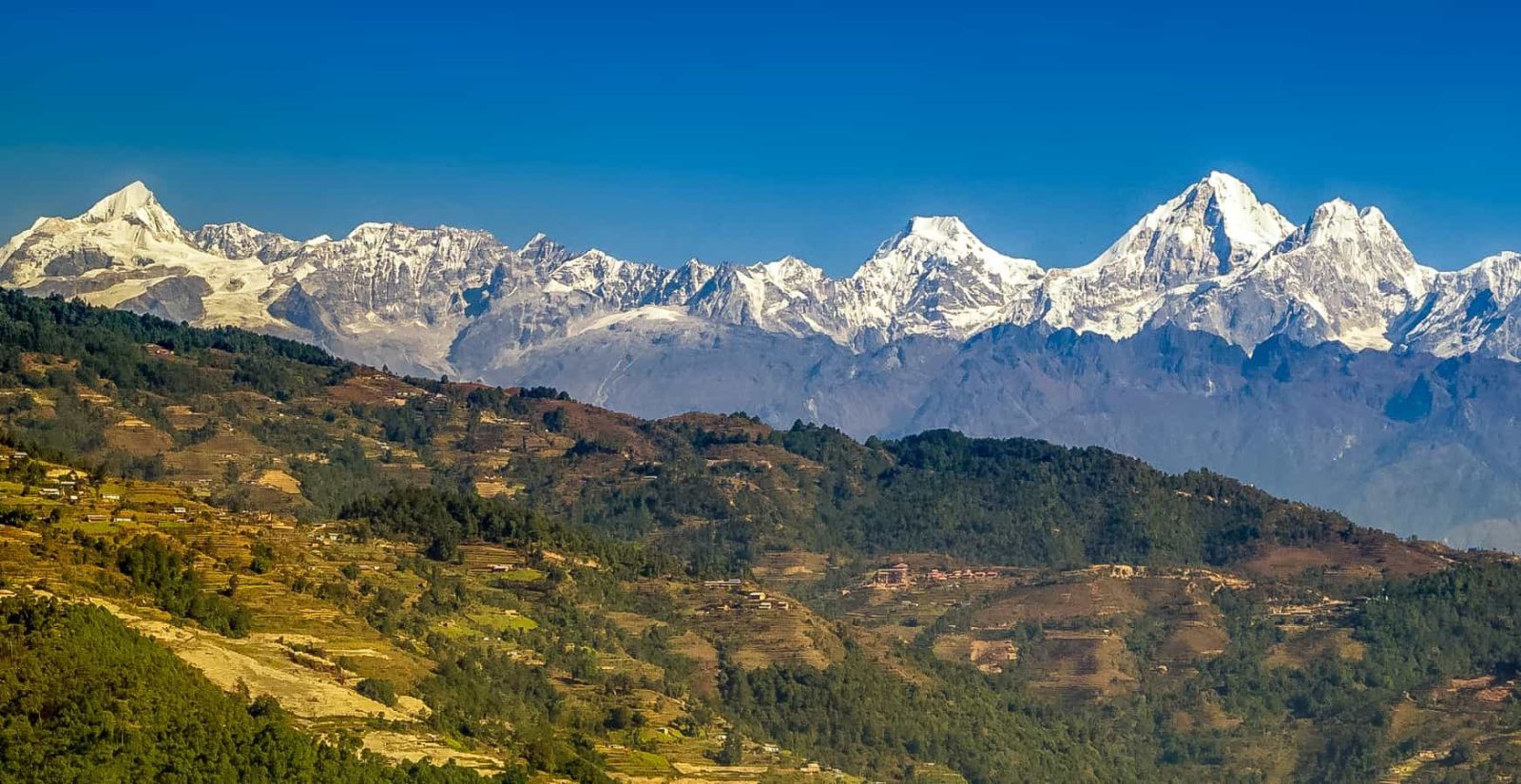
Beginner treks are designed for people who want to experience the Himalayas without pushing their physical limits too far. These treks are perfect if you’re new to trekking, traveling with family, or simply prefer a relaxed pace.
What beginner treks usually include:
-
3 to 6 hours of walking per day
-
Lower altitudes (mostly below 3,500 meters)
-
Well-marked and maintained trails
-
Comfortable teahouses with basic facilities
-
Minimal risk of altitude sickness
These treks focus on beautiful scenery, cultural experiences, and enjoyment, rather than endurance.
Moderate Treks in Nepal
Moderate treks are for travelers who are reasonably fit and want a deeper Himalayan adventure. These treks involve longer walking days, higher altitudes, and more varied terrain.
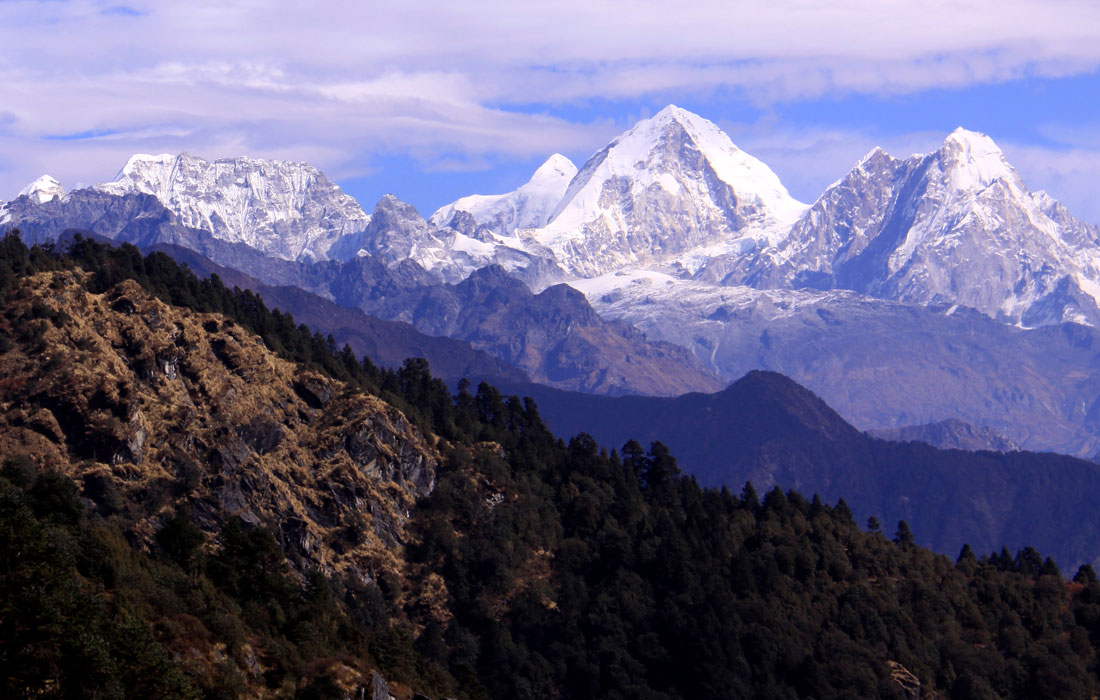
What to expect on moderate treks:
-
5 to 7 hours of walking per day
-
Altitudes between 4,000 and 5,500 meters
-
Steeper ascents and descents
-
Basic but cozy mountain lodges
-
A strong sense of accomplishment
Moderate treks are often the most popular choice, offering a perfect balance between challenge and comfort.
Advanced (Challenging) Treks in Nepal
Advanced treks are meant for experienced trekkers who are physically fit and mentally prepared. These routes take you into remote regions, across high mountain passes, and into truly wild Himalayan landscapes.
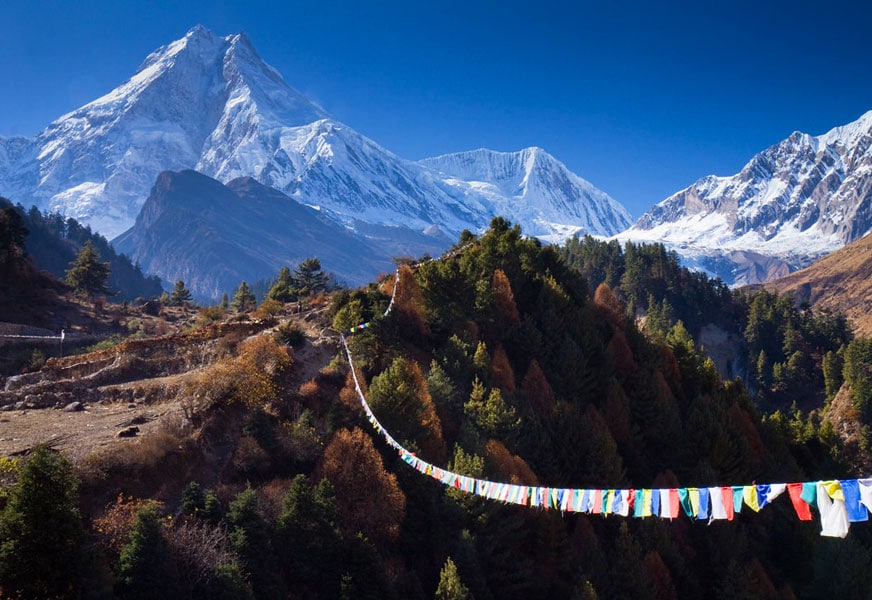
What defines advanced treks:
-
Altitudes above 5,000 meters
-
Long and demanding walking days
-
Rugged, sometimes isolated terrain
-
Limited facilities in remote areas
-
Strong endurance and prior trekking experience required
These treks are not easy—but they are deeply rewarding, offering a raw and authentic Himalayan experience.
Beginner Trekking Routes in Nepal
If you’re just starting out, Nepal is one of the best places in the world to begin your trekking journey. Beginner treks offer stunning views, welcoming villages, and manageable trails that build confidence.
Ghorepani Poon Hill Trek
Duration: 4–5 days
Maximum Altitude: 3,210 meters
Best Season: Spring and Autumn
The Ghorepani Poon Hill Trek is often described as the perfect introduction to trekking in Nepal. Short, scenic, and incredibly rewarding, it’s famous for its breathtaking sunrise view from Poon Hill.
As the sun rises, the snow-covered peaks of Annapurna and Dhaulagiri glow in golden light—a moment that leaves many trekkers speechless. The trail winds through rhododendron forests, traditional Gurung villages, and stone staircases that are challenging but manageable.
This trek is ideal for beginners because it offers big rewards without extreme altitude or long trekking days.
Chisapani Nagarkot Trek
Duration: 2–3 days
Maximum Altitude: 2,175 meters
Best Season: Year-round
The Chisapani Nagarkot Trek is located close to Kathmandu, this gentle trek is perfect for travelers with limited time. The trail passes through terraced farmlands, small villages, and forested ridges, offering peaceful mountain views without intense physical effort.
It’s a wonderful option if you want to slow down, connect with local life, and enjoy nature without venturing too far from the city.
Australian Camp (Annapurna Panorama Trek)
Duration: 2–3 days
Maximum Altitude: 2,060 meters
Best Season: Spring and Autumn
Short, sweet, and scenic, the Australian Camp Trek offers some of the best panoramic mountain views in a very short time. On clear days, you can see Machhapuchhre, Annapurna South, and Hiunchuli rising dramatically above the hills.
The trail is easy and well-marked, making it suitable for families, senior travelers, and first-time trekkers who want a taste of the Himalayas without commitment.
Langtang Valley Short Trek
Duration: 5–7 days
Maximum Altitude: 3,870 meters
Best Season: Spring and Autumn
Langtang Valley is often called the “valley of glaciers,” and even on a shorter trek, you can experience its stunning beauty. The trail gradually climbs through forests, yak pastures, and Tamang villages influenced by Tibetan culture.
This trek is perfect for beginners who want to experience slightly higher altitude while still keeping things comfortable and manageable.
Moderate Trekking Routes in Nepal
Moderate treks take you deeper into the Himalayas, offering a stronger sense of adventure while still providing good infrastructure and support.
Annapurna Base Camp Trek
Duration: 7–12 days
Maximum Altitude: 4,130 meters
Best Season: Spring and Autumn
The Annapurna Base Camp (ABC) Trek is one of Nepal’s most beloved journeys—and for good reason. It takes you into the heart of the Annapurna Sanctuary, surrounded by towering peaks on all sides.
Along the way, you pass through lush forests, cascading waterfalls, charming villages, and alpine landscapes. Reaching Annapurna Base Camp feels like stepping into a natural amphitheater of mountains.
This trek is challenging enough to feel adventurous, yet comfortable enough for many trekkers with good fitness.
Langtang Gosaikunda Trek
Duration: 10–15 days
Maximum Altitude: 4,610 meters (Gosaikunda lake)
Best Season: Spring and Autumn
The extended Langtang Gosaikunda Trek offers deeper exploration, including side hikes to viewpoints like Tserko Ri. From the summit, you’re rewarded with sweeping views of snow-capped peaks and glaciers.
It’s an excellent choice for trekkers who want higher altitude and fewer crowds, all while staying relatively close to Kathmandu.
Mardi Himal Trek
Duration: 6–10 days
Maximum Altitude: 4,500 meters
Best Season: Spring and Autumn
Mardi Himal feels like a secret trail. Less crowded than Annapurna Base Camp, it offers dramatic ridge walks and close-up views of Machhapuchhre that feel almost unreal.
The trek includes steep sections, especially near the high camp, but the scenery more than makes up for the effort. It’s perfect for trekkers seeking something quieter yet equally beautiful.
Everest View Trek
Duration: 7–9 days
Maximum Altitude: 3,880 meters
Best Season: Spring and Autumn
Not everyone wants to trek all the way to Everest Base Camp—and that’s okay. The Everest View Trek allows you to experience Sherpa culture, ancient monasteries, and breathtaking mountain views without extreme altitude.
It’s a great option for trekkers who want the Everest experience at a gentler pace.
Advanced Trekking Routes in Nepal
Advanced treks take you into Nepal’s wildest and most dramatic regions. These routes test your endurance but reward you with unforgettable experiences.
Everest Base Camp Trek
Duration: 12–16 days
Maximum Altitude: 5,364 meters
Best Season: Spring and Autumn
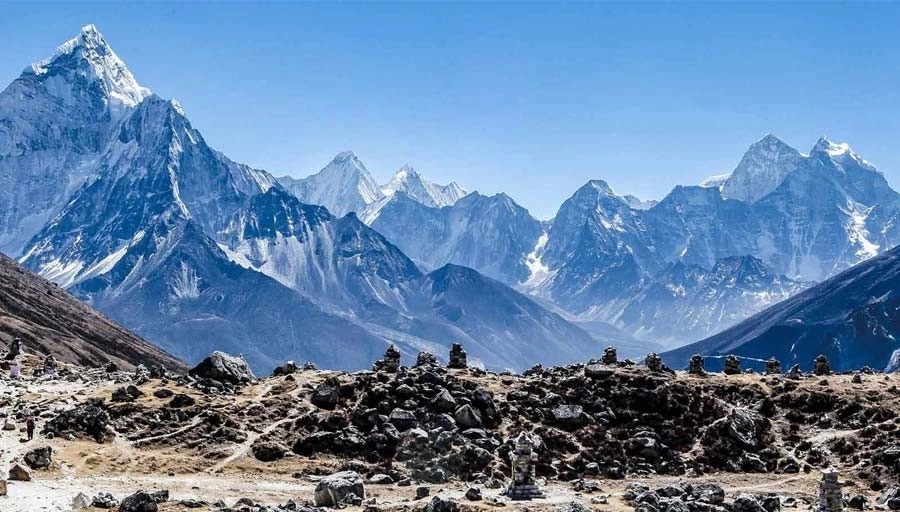
The Everest Base Camp Trek is a dream for trekkers around the world. Walking in the footsteps of legendary climbers, crossing suspension bridges, and standing beneath Mount Everest is both humbling and inspiring.
The trek requires proper acclimatization and mental strength, but for many, reaching Everest Base Camp is a life-defining moment.
Annapurna Circuit Trek
Duration: 14–18 days
Maximum Altitude: 5,416 meters (Thorong La Pass)
Best Season: Spring and Autumn
The Annapurna Circuit is famous for its incredible diversity. In just a few weeks, you walk through jungles, alpine forests, high mountain deserts, and remote villages.
Crossing Thorong La Pass is physically demanding, but the sense of achievement is unmatched. This trek is ideal for experienced trekkers seeking variety and challenge.
Manaslu Circuit Trek
Duration: 14–18 days
Maximum Altitude: 5,160 meters (Larkya La Pass)
Best Season: Spring and Autumn
Less crowded and more remote, the Manaslu Circuit trek offers pristine landscapes and deep cultural immersion. Influenced by Tibetan culture, the region feels untouched and authentic.
The high pass crossing makes this trek suitable for confident trekkers looking for a true off-the-beaten-path experience.
Upper Mustang Trek
Duration: 12–16 days
Maximum Altitude: 4,200 meters
Best Season: Spring and Summer
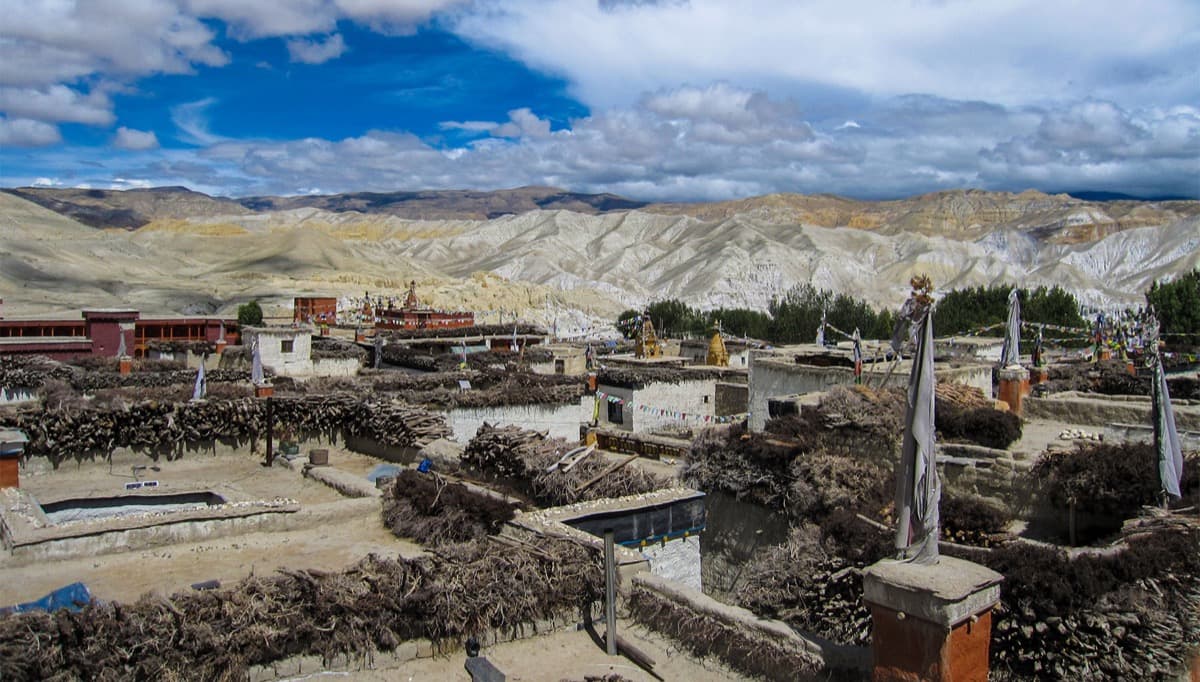
Upper Mustang trek feels like stepping back in time. With its desert-like terrain, ancient monasteries, and cave dwellings carved into cliffs, this restricted region offers a cultural journey unlike any other.
While the altitude isn’t extreme, the isolation and terrain make it an advanced and deeply rewarding trek.
How to Choose the Right Trek for Yourself
Choosing the right trek isn’t about picking the most famous route—it’s about choosing the one that matches your abilities, time, and expectations.
Ask yourself:
-
How physically fit am I?
-
How much time do I have?
-
Do I prefer comfort or challenge?
-
Am I comfortable with high altitude?
Being honest with yourself ensures a safe and enjoyable trekking experience.
Best Time to Go Trekking in Nepal
-
Spring (March–May): Blooming rhododendrons, pleasant temperatures
-
Autumn (September–November): Clear skies, best mountain views
-
Winter (December–February): Quiet trails, ideal for lower-altitude treks
-
Monsoon (June–August): Lush landscapes, best for Upper Mustang
Why Trek with a Professional Trekking Company in Nepal
A professional trekking company makes all the difference. Experienced guides understand altitude, weather, and trail conditions, ensuring your safety and comfort throughout the journey.
They handle logistics, permits, accommodation, and emergencies—so you can focus on enjoying the mountains.
Final Thoughts: One Country, Endless Himalayan Journeys
Nepal is a rare destination where every trekker belongs. Whether you’re taking your first steps on a gentle trail or pushing yourself across high mountain passes, the Himalayas welcome you with open arms.
Trekking in Nepal is not just about reaching a destination. It’s about the people you meet, the stories you hear, and the quiet moments that stay with you long after the trek ends.
No matter your level, Nepal has a path waiting for you.