Overview
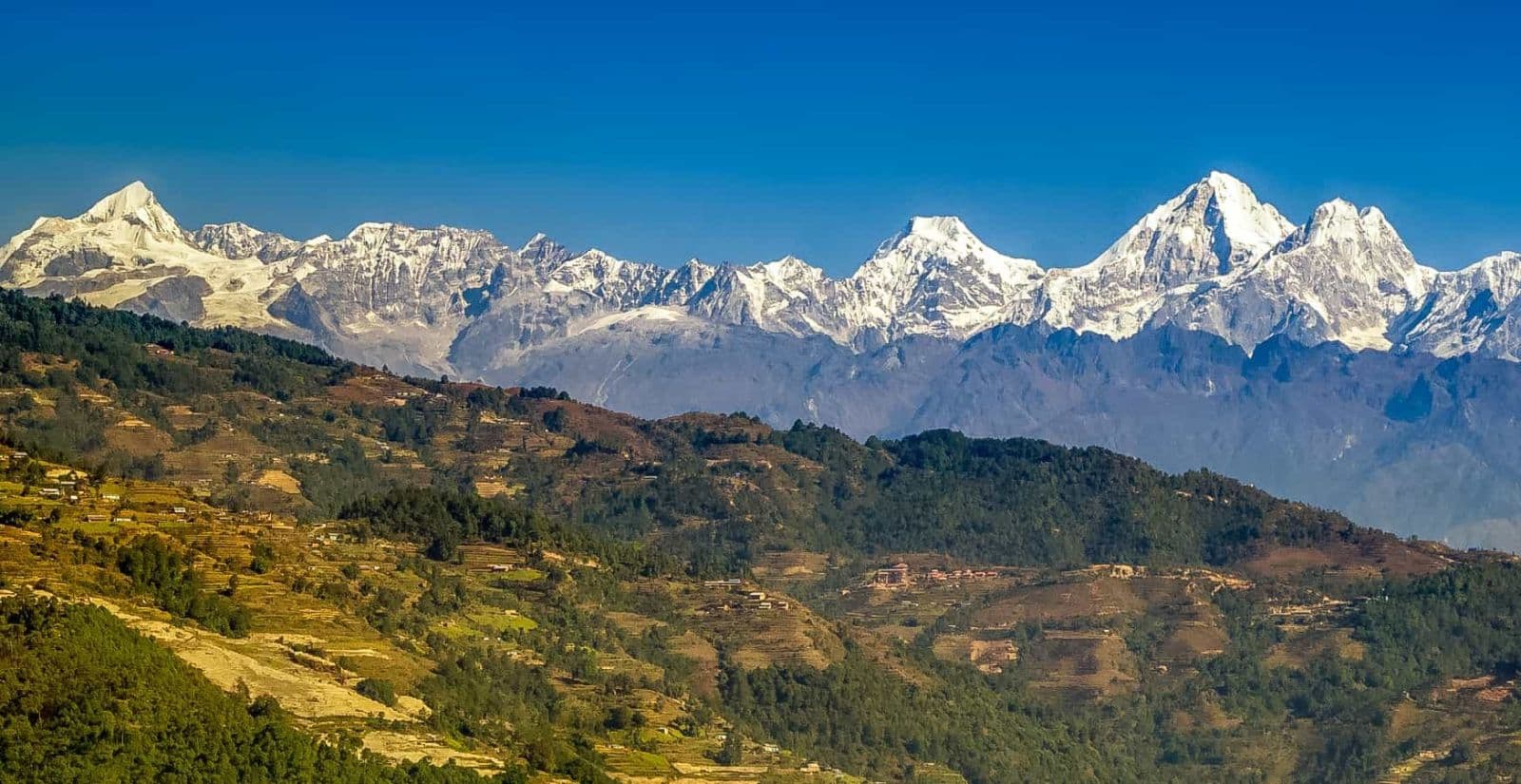
Nepal is a dreamland for trekkers from all over the world. The soaring Himalayan peaks, diverse landscapes, warm people, and mystical culture make it one of the most extraordinary trekking destinations on the planet. While most travelers think trekking is only ideal during spring and autumn, winter trekking in Nepal has become increasingly popular in recent years — especially for those seeking clear skies, quieter trails, and crystal-clear views of snow-capped mountains.
Winter in Nepal, from December to February, transforms the Himalayas into a picture-perfect paradise. The mornings are crisp and the skies are incredibly blue. Although temperatures can be cold, the trails are peaceful, accommodations are quieter, and the mountains stand spectacularly bright.
To help you plan your next incredible adventure, Approved Holidays presents the 10 Best Winter Treks in Nepal for the 2026/2027 season, with detailed insights on altitude, difficulty levels, highlights, and why each trek is perfect for winter.
1. Ghorepani Poon Hill Trek – Perfect Short Winter Trek
Region: Annapurna
Duration: 4–6 days
Max Altitude: 3,210m (Poon Hill)
Difficulty: Easy – Moderate
Ghorepani Poon Hill is perhaps the most popular winter trek in Nepal, especially for beginners and families. The trek offers enchanting rhododendron forests, stone-paved village trails, and traditional Gurung settlements. What makes it ideal for winter is the low altitude, ensuring the path remains safe and snow-free most of the season.
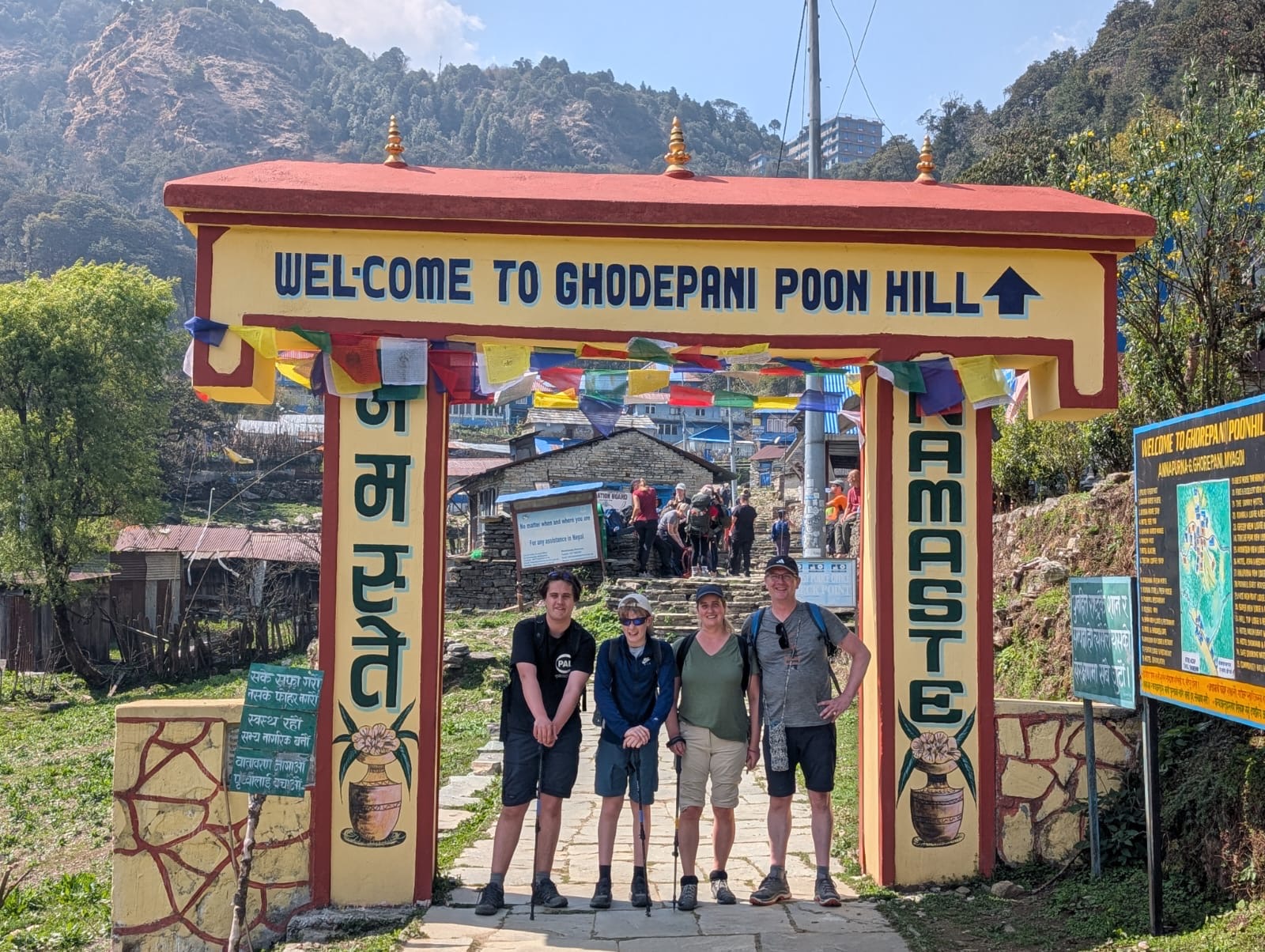
The highlight, of course, is the sunrise from Poon Hill Viewpoint, where the golden light paints the summits of Annapurna South, Dhaulagiri, Machhapuchhre, and Himchuli. Crystal-clear winter skies make the panorama even more breathtaking.
This trek is perfect for the 2026/2027 winter season because lodges remain open, the trail is well-maintained, and the shorter duration suits those wanting a scenic yet easy Himalayan journey.
2. Mardi Himal Trek – A Winter Wonderland Near Pokhara
Region: Annapurna
Duration: 5–7 days
Max Altitude: 4,500m (Mardi Himal Viewpoint)
Difficulty: Moderate
The Mardi Himal Trek has quickly grown into one of Nepal’s favorite winter adventures. The trail begins near Pokhara and takes trekkers through dense forests, charming teahouses, and high ridges offering close-up views of Machhapuchhre (Fishtail Mountain).
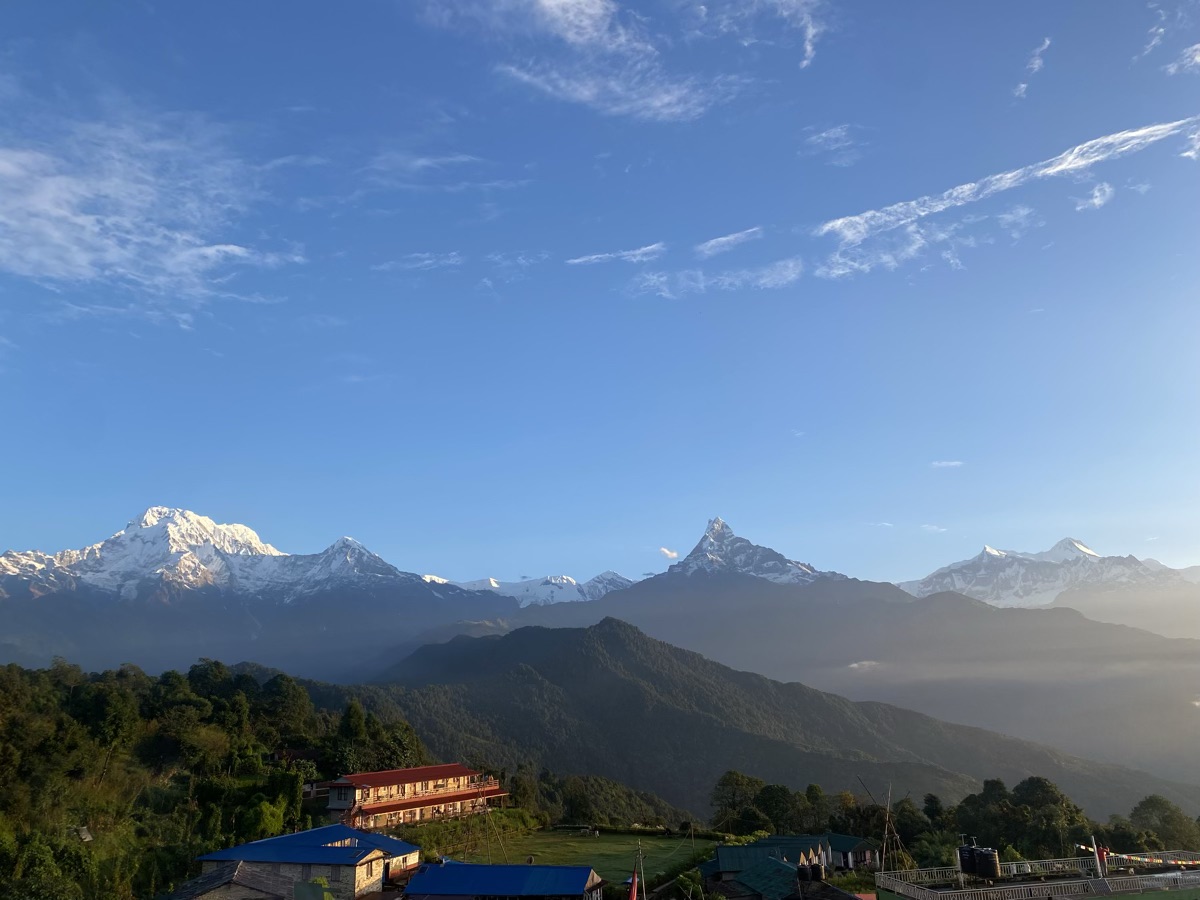
In winter, the ridgeline of Mardi gets dusted with fresh snow, creating dreamy landscapes. Because the trails are quieter than in peak seasons, trekkers can enjoy private moments with nature.
Despite some snow in higher sections, the trek remains manageable with proper winter gear. Winter 2026/2027 is expected to bring stable weather, making Mardi Himal a top choice for adventure lovers.
3. Annapurna Base Camp (ABC) Trek – A Classic Made Magical in Winter
Region: Annapurna Sanctuary
Duration: 7–10 days
Max Altitude: 4,130m
Difficulty: Moderate
The Annapurna Base Camp Trek offers one of the most iconic trekking experiences in Nepal. Winter brings pristine snow around the sanctuary, making the entire amphitheater of Annapurna appear brighter and more dramatic.
Winter ABC trekking is ideal for trekkers looking for:
-
Fewer crowds
-
Clear skies and postcard-like views
-
Quieter tea houses
-
Safe trail conditions until heavy snowfall days
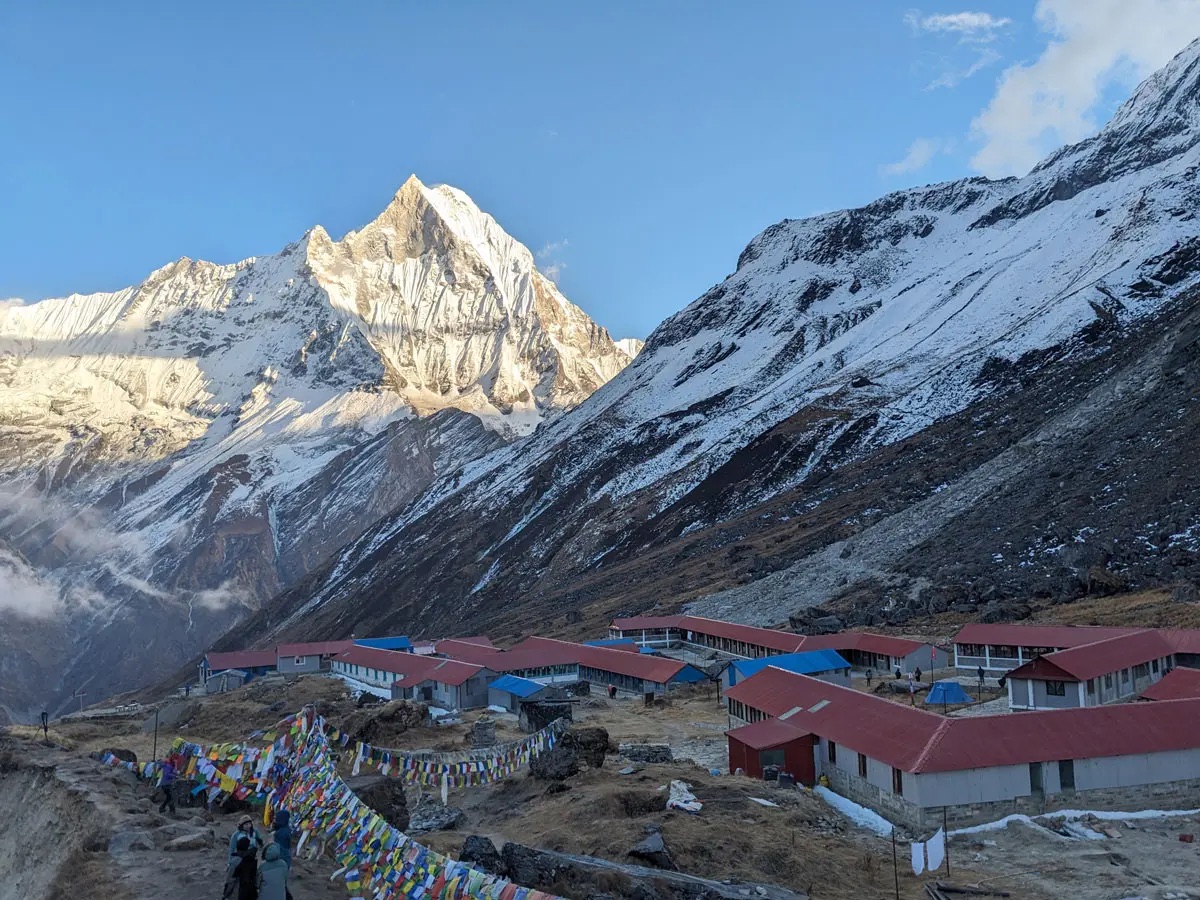
Trekkers often describe the sunrise at Annapurna Base Camp during winter as one of the best views of their lives — a wide bowl of mountains glowing warmly under the morning sun. With the right guide and gear, ABC in 2026/2027 promises an unforgettable journey.
4. Langtang Valley Trek – Best Close-to-Kathmandu Winter Trek
Region: Langtang
Duration: 7–10 days
Max Altitude: 4,984m (Tserko Ri)
Difficulty: Moderate
The Langtang Valley Trek is one of the most rewarding winter treks, located just a few hours’ drive from Kathmandu. Known as the “Valley of Glaciers,” Langtang is famous for its yak pastures, towering peaks, and Tamang culture.
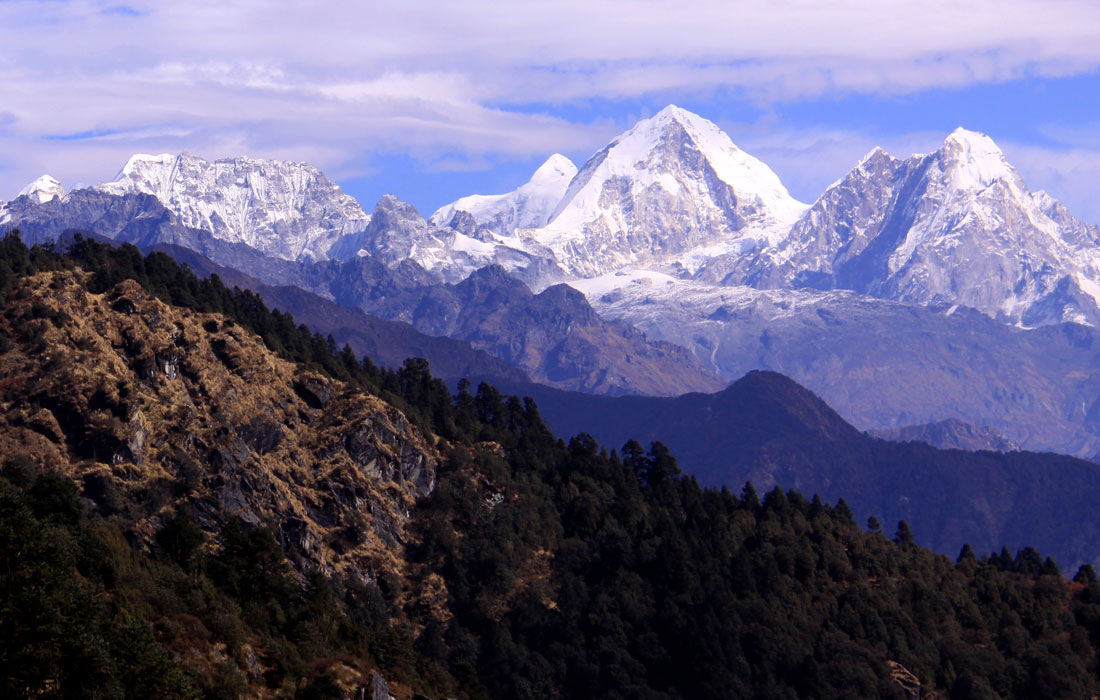
In winter, the valley becomes peaceful and mystical. The snow-covered meadows and crystal-clear skies create incredible contrast for photography. Tserko Ri, the main viewpoint, provides jaw-dropping 360° Himalayan views.
The trail is well-marked and safe for winter, making it a wonderful choice for trekkers seeking a less-crowded experience near Kathmandu in the 2026/2027 season.
5. Everest Panorama Trek – Everest Views Without the Extreme Cold
Region: Everest (Khumbu)
Duration: 5–7 days
Max Altitude: 3,860m (Tengboche Monastery)
Difficulty: Moderate
If you dream of seeing Everest in winter but do not want to trek to high altitudes, the Everest Panorama Trek is perfect. The trail leads through Sherpa villages, suspension bridges, and pine forests to the famous Tengboche Monastery.
Winter skies in the Everest region are extremely clear, giving trekkers sharp and stunning views of:
-
Mount Everest
-
Ama Dablam
-
Lhotse
-
Thamserku
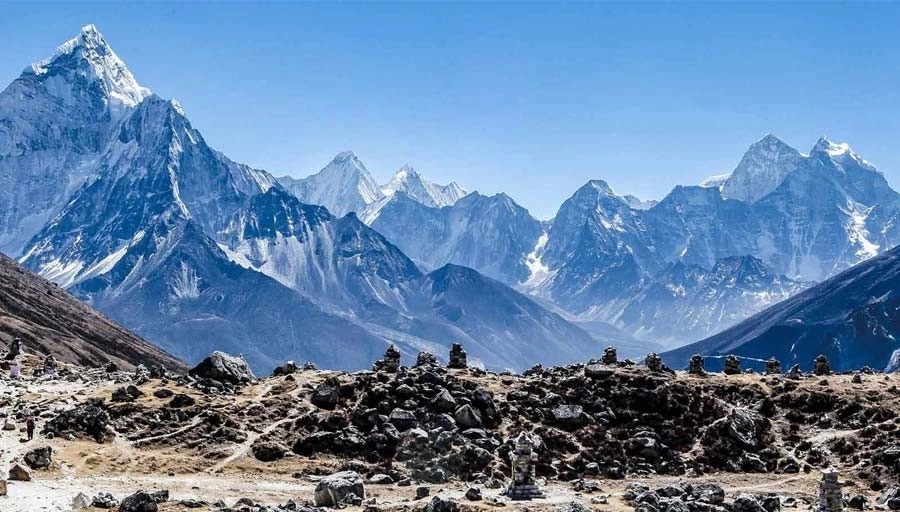
The trek is short, manageable, and teahouses remain open throughout winter. For the 2026/2027 season, this trek is ideal for those wanting an iconic Himalayan experience without facing the harsh cold of higher altitudes.
6. Helambu Trek – The Most Underrated Winter Trek
Region: Langtang Region
Duration: 5–7 days
Max Altitude: 3,650m
Difficulty: Easy – Moderate
The Helambu Trek is one of Nepal’s easiest winter treks, suitable for trekkers of all ages. Located close to Kathmandu, Helambu features beautiful forests, Buddhist monasteries, and typical Hyolmo villages.
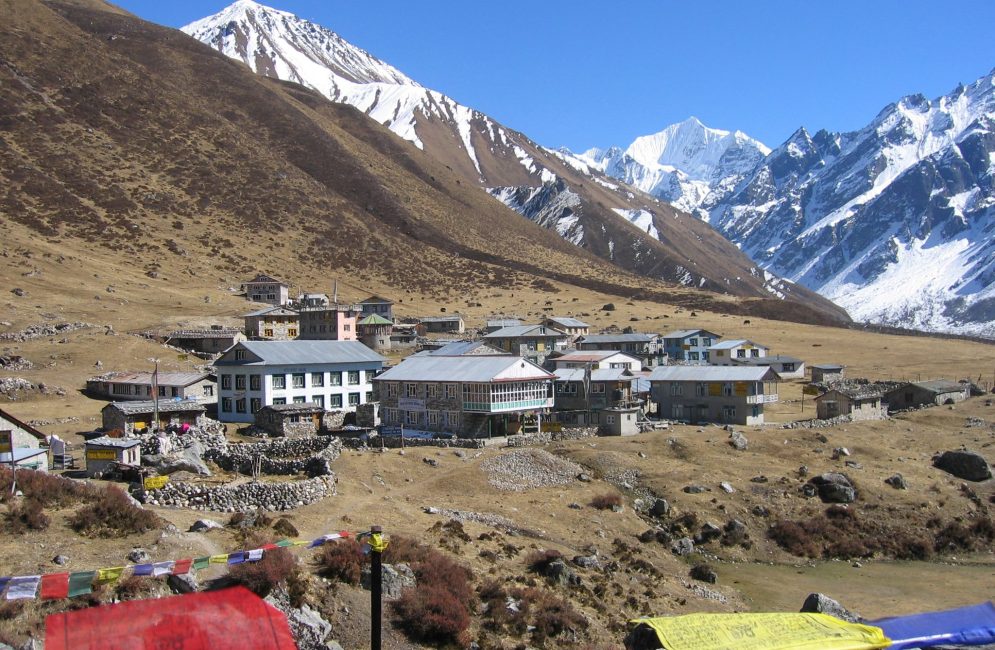
Because it stays at lower altitudes, the trek remains safe and accessible throughout winter. Snow rarely blocks the trails, and weather patterns in this region are stable.
This trek is ideal for winter 2026/2027 for travelers who want:
-
Shorter trekking days
-
Warmer conditions
-
Authentic cultural experiences
-
A peaceful environment away from busy trekking routes
7. Khopra Ridge Trek – Less Crowded, More Scenic
Region: Annapurna
Duration: 7–9 days
Max Altitude: 4,660m (Khayar Lake)
Difficulty: Moderate – Challenging
The Khopra Ridge Trek is a hidden gem offering stunning ridge-line landscapes and quiet trails. The main highlight is Khopra Danda, which provides one of the best panoramas in the entire Annapurna region, rivaling even Poon Hill.
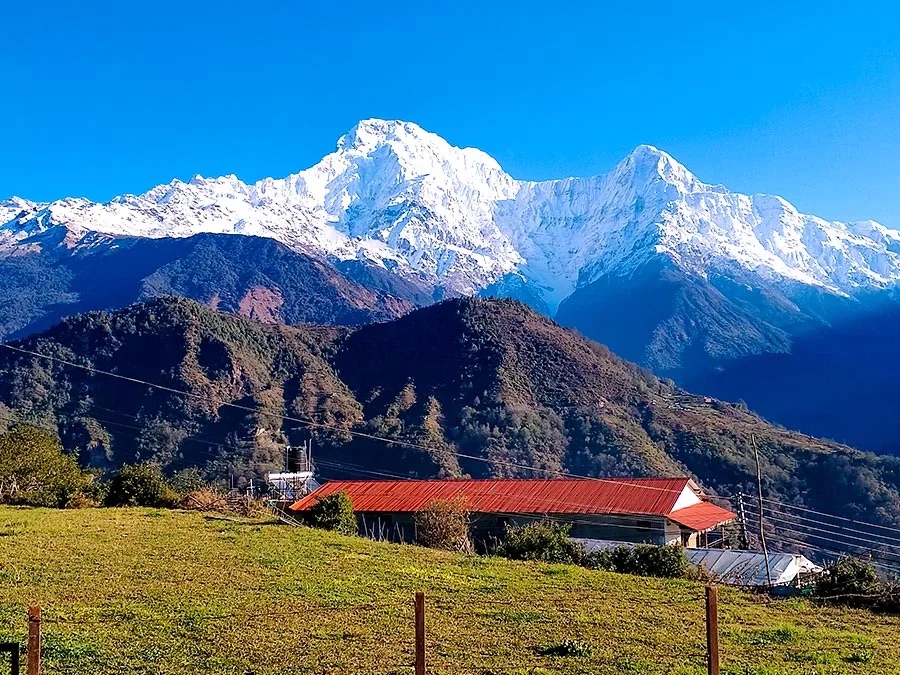
Winter transforms this ridge into a snow-covered pathway with spellbinding sunrise views. The optional hike to Khayar Lake is more challenging in winter, but the trek itself remains safe and rewarding.
For trekkers seeking off-the-beaten-path experiences in 2026/2027, Khopra Ridge is a top recommendation by Approved Holidays.
8. Mohare Danda Trek – Best Eco-Community Winter Trek
Region: Annapurna
Duration: 4–6 days
Max Altitude: 3,313m
Difficulty: Easy – Moderate
The Mohare Danda Trek is a community-based eco trek designed to support local development. It follows quiet forest trails and charming villages leading to the stunning viewpoint of Mohare Hill.
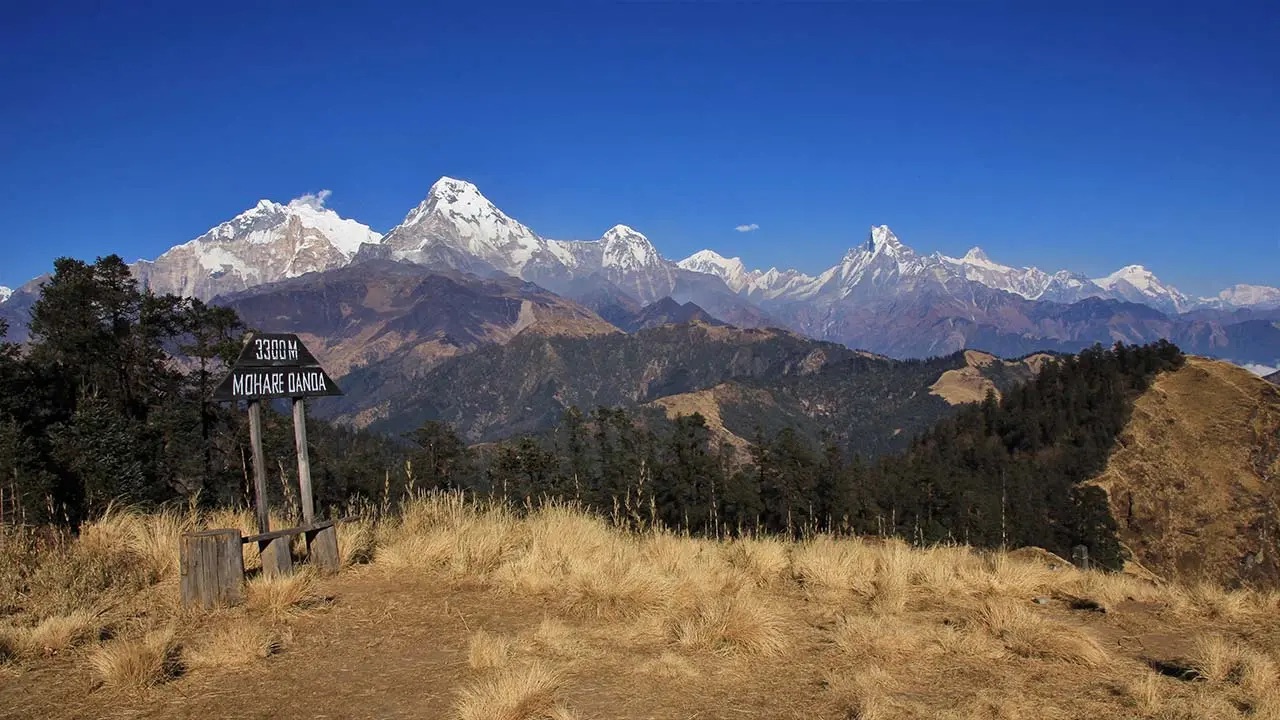
Winter makes this trek magical with snow-covered forests and unbelievably clear views of Dhaulagiri and Annapurna. With fewer trekkers, peaceful lodges, and warm hospitality, Mohare Danda is perfect for travelers who like comfort and authenticity.
Winter 2026/2027 will be an excellent time for this trek as temperatures stay moderate compared to higher routes.
9. Tamang Heritage Trail – Culture + Winter Landscapes
Region: Langtang
Duration: 6–8 days
Max Altitude: 3,870m
Difficulty: Easy – Moderate
The Tamang Heritage Trail is one of Nepal’s richest cultural experiences. The trail passes through authentic Tamang villages, hot springs, ancient monasteries, and terraced farmlands.
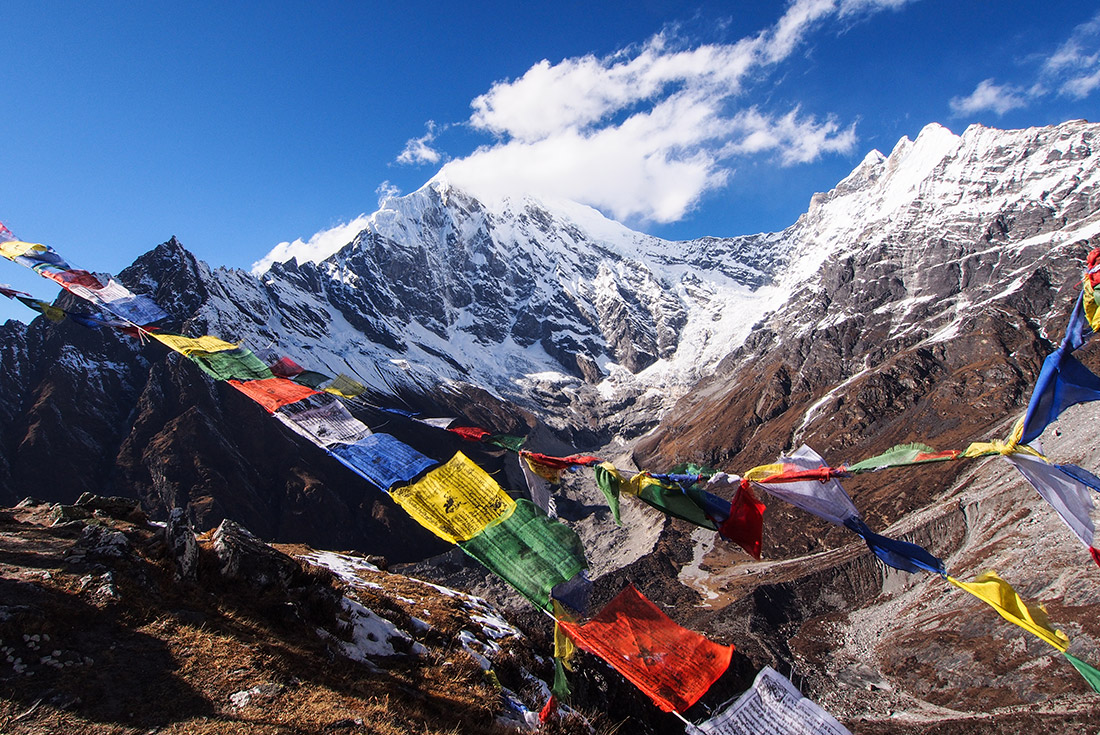
Winter adds a unique charm with snow-dusted rooftops and quiet pathways. Since altitudes are manageable, the trail remains safe and enjoyable.
This trek is perfect for:
-
Culture lovers
-
Families
-
Beginners
-
Winter travelers seeking mild difficulty
With improved lodge facilities and accessible roads, the 2026/2027 winter season is ideal for exploring this culturally vibrant route.
10. Upper Mustang Winter Trek – Himalayan Desert with Clear Skies
Region: Mustang
Duration: 10–14 days
Max Altitude: 3,840m (Lo Manthang)
Difficulty: Moderate
Upper Mustang, known as the Last Forbidden Kingdom, is a spectacular winter trekking destination. While northern Nepal gets snowfall in winter, Mustang lies in the rain-shadow area of Annapurna and remains dry and accessible.

Winter skies here are incredibly clear, enhancing views of the mystical landscapes, cave monasteries, and ancient fortresses.
Why Upper Mustang is great for winter 2026/2027:
-
Fewer tourists
-
Stable dry weather
-
Unique desert landscapes
-
Rich Tibetan-Buddhist culture
Even in winter, Mustang maintains moderate temperatures compared to harsh Himalayan zones.
Pros and Cons of Winter Trekking in Nepal
Winter trekking in Nepal (December–February) is becoming more popular each year, especially for those who love peaceful trails, crisp mountain views, and snow-covered landscapes. But like any adventure, winter trekking comes with both advantages and challenges. Understanding these will help you choose the right trek and prepare properly for a safe, enjoyable journey.
✅ Pros of Winter Trekking in Nepal
1. Crystal-Clear Mountain Views
Winter is known for some of the clearest skies of the year. Cold air reduces humidity, making mountain views sharper and more dramatic. Sunrise and sunset glow beautifully on peaks like Annapurna, Dhaulagiri, Langtang, and Everest.
2. Peaceful and Less Crowded Trails
Spring and autumn can be quite busy. But in winter, most trekking routes become quieter, offering:
-
More peaceful hiking
-
Quicker service in tea houses
-
More room availability
-
Less noise on popular trails
You get more time alone with nature.
3. Better Photography Conditions
Winter light is crisp and clean. Combined with snowy landscapes and blue skies, the scenery becomes perfect for photography lovers.
4. Budget-Friendly Travel
Because winter is considered a low trekking season:
-
Tea house rates may be cheaper
-
Flights and hotels offer discounts
-
Guides/porters may be more available
Overall, it’s a great season for budget travelers.
5. Snowy Landscapes & Magical Scenery
Forests covered with white snow, frozen waterfalls, and bright mountain walls create a magical winter atmosphere. Many trekkers say winter feels more peaceful and spiritual.
6. Fewer Weather Disturbances
Compared to monsoon or early autumn, winter has:
-
Fewer rain clouds
-
Very stable weather
-
Minimal chances of storms** (except occasional high-altitude snowfall)**
This stability makes trekking more predictable.
7. Excellent for Short-Moderate Treks
Treks like:
-
Ghorepani Poon Hill
-
Mardi Himal
-
Langtang Valley
-
Mohare Danda
-
Helambu
are perfect in winter with fewer risks.
❌ Cons of Winter Trekking in Nepal
1. Cold Temperatures
This is the biggest challenge. In high-altitude regions, winter temperatures can drop to:
-
-10°C to -20°C at night
-
-5°C to 0°C even in the day (higher areas)
Good layering and warm sleeping bags are essential.
2. Snow on Higher Routes
Some high regions may receive heavy snowfall:
-
Thorong La Pass (Annapurna Circuit)
-
Cho La Pass (Everest Three Passes)
-
Gokyo Ri (sometimes)
Deep snow can block trails or make them slippery.
3. Limited Lodge Availability in Remote Areas
Some lodges in high-altitude or off-season routes may remain closed in winter due to fewer trekkers.
Though lower and mid-altitude routes like Poon Hill, ABC, Mardi, and Langtang remain well-served.
4. Shorter Daylight Hours
Winter days are shorter, meaning:
-
Early starts are necessary
-
Less hiking time each day
-
Evenings can be long and cold
Proper planning is crucial.
5. Icy Trails
Early morning trails may have frozen sections.
You may need:
-
Micro-spikes
-
Trekking poles
-
Good boots with grip
6. Risk of Sudden Weather Changes at High Altitude
Although winter is stable, when snow does fall, it can be heavy at higher elevations. This may cause:
-
Trail closures
-
Delays
-
Need for itinerary adjustments
7. Not Ideal for First-Time High-Altitude Trekkers
Beginners are fine on moderate winter treks, but high passes, remote regions, and long expeditions become tougher in winter.
Safety Tips for Winter Trekking in Nepal
To enjoy winter treks safely:
-
Carry warm layers and good-quality sleeping bags
-
Wear crampons if trails are icy
-
Trek with experienced guides
-
Hydrate regularly
-
Check daily weather updates
-
Avoid high passes after heavy snowfall
-
Choose routes suitable for your fitness level
Approved Holidays prioritizes safety on all winter treks by providing expert guidance, proper gear, and customizable itineraries.
Conclusion: Which Winter Trek Should You Choose?
Nepal offers endless trekking opportunities even in winter. Whether you want a short, easy journey or a more adventurous high-altitude experience, there is a perfect trek for everyone.
Best short winter trek:
➡ Ghorepani Poon Hill or Mohare Danda
Best moderate adventure:
➡ Mardi Himal or Langtang Valley
Best classic trek:
➡ Annapurna Base Camp
Best cultural trek:
➡ Tamang Heritage or Helambu
Best premium experience:
➡ Upper Mustang
If you're planning your Nepal adventure for winter 2026/2027, Approved Holidays is here to help you design the perfect trekking package with customized itineraries, expert guides, and unforgettable Himalayan experiences.
Frequently Asked Questions (FAQs)
1. Is winter trekking in Nepal safe?
Yes, winter trekking in Nepal is safe on low to mid-altitude routes such as Poon Hill, Mardi Himal, ABC, Langtang Valley, Mohare Danda, and Helambu. High passes like Thorong La and Everest Three Passes can be risky due to heavy snow.
2. What are the best winter treks in Nepal?
The top winter treks include:
-
Ghorepani Poon Hill
-
Mardi Himal
-
Annapurna Base Camp
-
Langtang Valley
-
Everest Panorama
-
Helambu
-
Mohare Danda
-
Khopra Ridge
-
Tamang Heritage Trail
-
Upper Mustang
These routes offer clear views, accessible trails, and lower risk of snow blockage.
3. How cold does it get during winter treks?
Temperatures vary by region:
-
Lower altitudes (1,500m–2,500m): 0°C to 10°C
-
Mid-altitudes (2,500m–4,000m): -5°C to -15°C
-
Higher altitudes (above 4,000m): -10°C to -20°C
Nights are colder, so proper winter gear is essential.
4. Do teahouses remain open in winter?
Most teahouses on popular routes like ABC, Poon Hill, Langtang, and Mardi Himal stay open throughout winter. However, some high-altitude or less-traveled lodges may close due to fewer trekkers.
5. Do I need special equipment for winter trekking?
Yes. The most important items include:
-
Warm down jacket
-
-15°C to -20°C sleeping bag
-
Crampons/micro-spikes (for icy trails)
-
Waterproof gloves, boots, and gaiters
-
Thermal layers
A good guide helps manage equipment efficiently.
6. Can beginners trek in winter?
Absolutely! Beginners can enjoy winter treks like:
-
Ghorepani Poon Hill
-
Mohare Danda
-
Helambu
-
Tamang Heritage
Avoid high-altitude treks with passes.
7. Which winter trek is best for families?
Ghorepani Poon Hill and Mohare Danda are excellent for families because of shorter hiking days, lower altitude, and comfortable lodges.
8. Are winter views better than other seasons?
Yes. Winter offers crystal-clear skies, dry weather, and excellent mountain visibility. Many trekkers say winter views are the best of the year.
9. Is snowfall common on these treks?
Snowfall occurs mostly at:
-
Mardi Himal High Camp
-
ABC Sanctuary
-
Langtang upper valley
-
Khopra Ridge
Light snow makes the trek beautiful, but heavy snow may require itinerary adjustments.
10. Do flights operate normally to mountain regions in winter?
Yes, flights to Pokhara and Lukla operate normally. Winter often has more stable weather than monsoon, but fog in Kathmandu can sometimes cause delays.
11. What is the best month for winter trekking?
December and early January are ideal for clear skies and moderate cold.
February is also good, with slightly warmer temperatures and less snow.
12. Do I need a guide for winter trekking?
A guide is highly recommended, especially for mid-altitude routes, because:
-
Trails may be covered with snow
-
Weather changes faster
-
Navigation becomes harder
-
Lodges may be limited
A licensed guide ensures safety and comfort.
13. Can I trek solo in winter?
You can trek solo on easy routes like Poon Hill or Helambu, but it’s not recommended for areas with snowfall. Solo trekking in high-altitude or remote winter routes can be risky.
14. What permits are required for winter treks?
Most treks require:
-
TIMS Card
-
National Park / Conservation Area Permit
Examples: -
Annapurna Region → ACAP + TIMS
-
Langtang Region → Langtang National Park + TIMS
-
Everest Region → Khumbu Pasang Lhamu Permit
15. What is the best winter trek for sunrise views?
Poon Hill and Khopra Ridge offer some of the best sunrise views in Nepal during winter — crystal clear and dramatic over Annapurna and Dhaulagiri.
16. Can I trek to Everest Base Camp in winter?
Yes, but it is more challenging due to extreme cold and occasional snowfall. Many trekkers choose the Everest Panorama Trek instead for winter.
17. Which winter trek gives the best close-up mountain views?
-
Mardi Himal (Fishtail close-up)
-
Annapurna Base Camp (360° sanctuary)
-
Langtang Tserko Ri
-
Khopra Ridge
These routes are breathtaking in winter.
18. Are winter treks more expensive?
Actually, winter treks are often cheaper:
-
Lower room rates
-
Discounts on guides and porters
-
Off-season offers
Only gear costs may be higher.
19. Is Upper Mustang good for winter trekking?
Yes. Upper Mustang lies in a rain shadow, so it remains dry and accessible even in winter. It’s one of the best winter destinations for cultural and desert landscapes.
20. Which winter trek is best for adventure lovers?
Mardi Himal and Khopra Ridge are great for trekkers wanting adventure, snow trails, and stunning viewpoints without extreme risk.